
How state tech agency became South Africa’s biggest digital transformation bottleneck
The report revealed that the bigger problem is an organisation unable to consistently procure, manage and deliver technology for the government.

The report revealed that the bigger problem is an organisation unable to consistently procure, manage and deliver technology for the government.
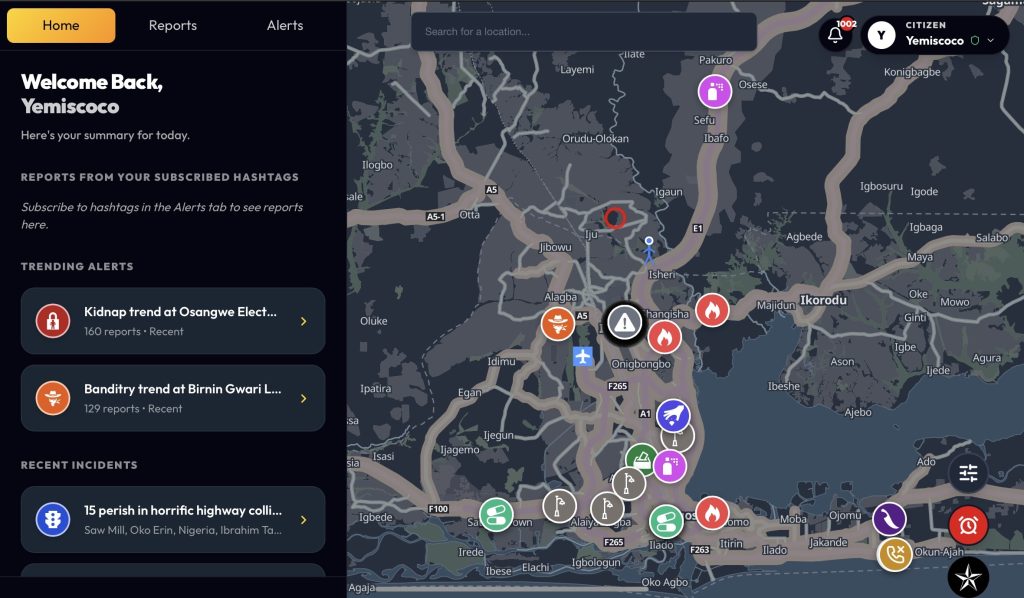
Wahala App is betting that the same instinct that sends Nigerians to X during emergencies can power a platform built specifically for public incident reporting.

More than 120 founders, investors and operators gathered in Nairobi on July 2 as TechCabal brought its Road to Moonshot series to East Africa.
Senegal has launched a $50 million fund to back innovative local startups. What does that say about its ecosystem ambitions?
It is cheaper, has a bigger battery in some markets, and a fresh take on Nothing's signature transparent design.
The Nigerian government has halted the enforcement of overlapping rules for internet platforms, marking its strongest move yet to create a single regulatory framework for the digital economy.
HabariPay, the fintech subsidiary of one of Nigeria's largest financial services groups, Guaranty Trust Holding Company Plc (GTCO), processed ₦80.9 trillion ($59.04 billion) in payments in 2025, almost three times the value it handled in the previous year

By January 1, 2027, banks, fintechs, and payment processors must stop storing transaction records on foreign cloud infrastructure and move them to data centres located inside the country.
In today's edition: Starlink row lands on Malatsi's desk || Kenya gives banks a lifeline || MTN’s Ralph Mupita gets a seat at the AI table || New licence rules for delivery apps
The letter marks a turning point in a dispute that has rapidly evolved from questions about Starlink's market access into one of the GNU's most politically charged technology controversies.