
Forty-four billion dollars a year is flowing into African climate finance, up nearly 50% from just a few years ago. And yet, founders building tools to help farmers survive droughts or communities cope with shifting rainfall are still struggling to get funded. The money exists. The problem is how it moves, or more accurately, how it refuses to.
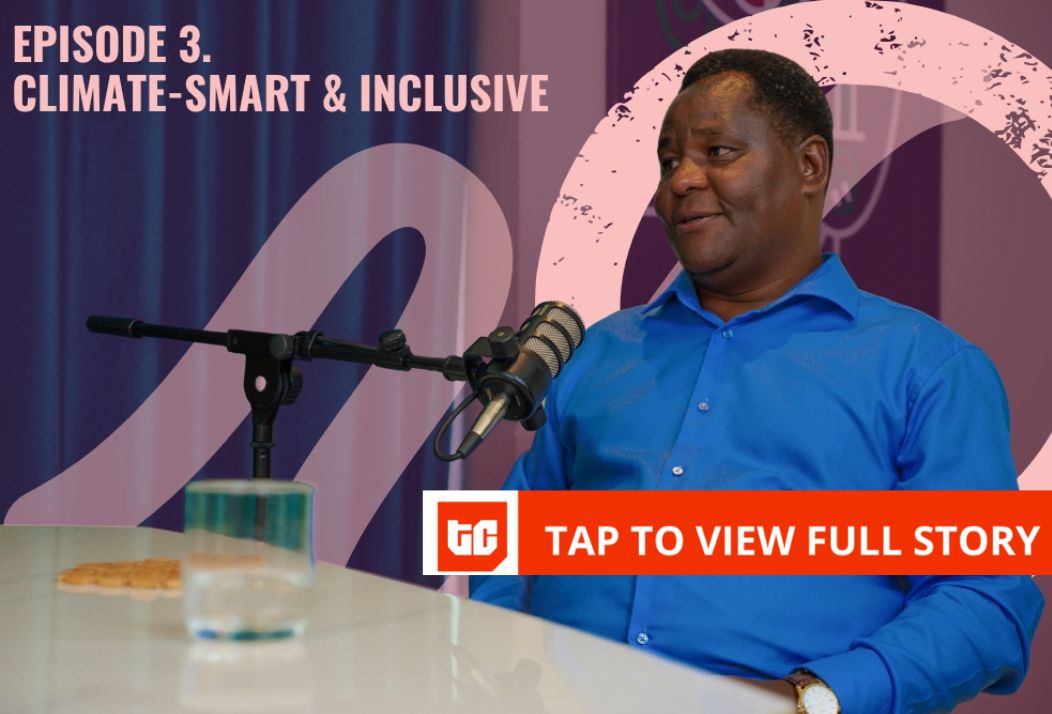
Victor Ndiege, CEO of Kenya Climate Ventures, an impact investment manager focused on early-stage climate enterprises, puts it plainly. "There are many investors who have not been able to deploy capital, not because there are no businesses requiring capital, but because of the terms and structures around deploying that capital," he said on the Voices and Visions podcast, produced in partnership between Tutto Passa Agency and TechCabal. In his view, the financial architecture matters more than the name of the instrument.
The core tension is this: most of the financial tools designed to support Africa's green transition were built for mature markets, not for small, early-stage local enterprises. Climate adaptation businesses, the kind that help economies adjust to water shortages, unpredictable rains, and rising temperatures, tend to need long runways before they generate stable returns. A farmer switching to new irrigation technology or a household installing solar power is not going to deliver venture-scale exits on a short timeline.
Ndiege and other local fund managers argue that investors need to rethink risk, not avoid it. The gap between committed capital and deployed capital is widening, and the communities most exposed to climate change are the ones left waiting. That is the real story behind Africa's green finance numbers.
Originally published by TechCabal.