
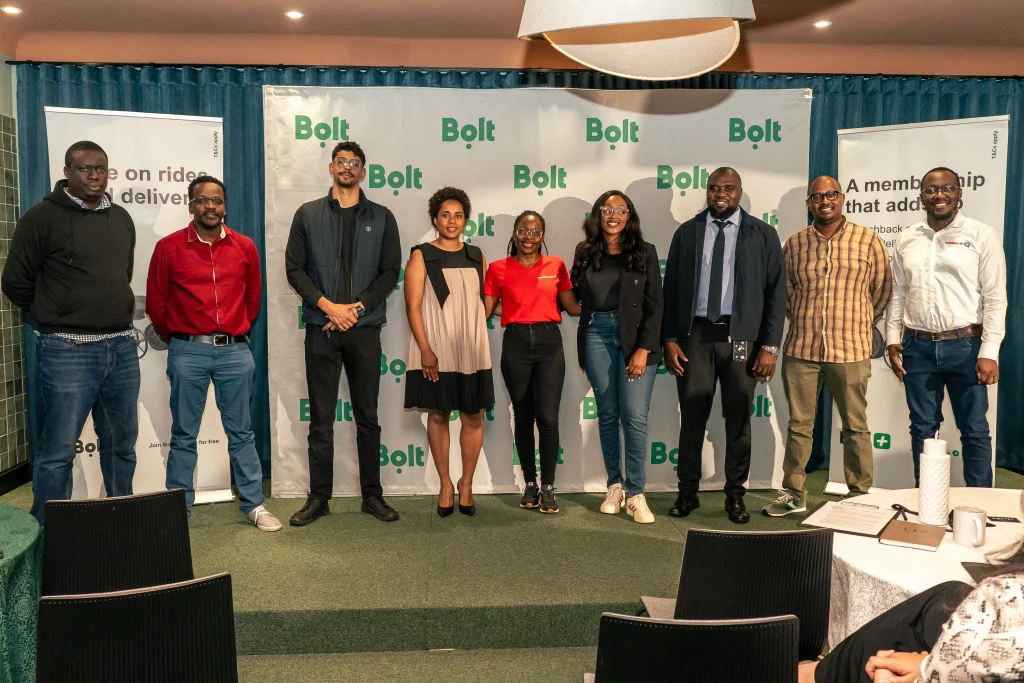
Bolt launched its paid membership tier, Bolt Plus, in Kenya on 15 October, and the pricing is turning heads. For KES 280 a month (roughly $2.16), members get cashback on rides, free delivery on eligible food and retail orders, priority driver matching, faster food delivery, and three free ride cancellations each month. The first month is free, and an introductory rate of KES 119 brings the monthly cost down further for the first six months. Bolt currently operates across nine Kenyan cities.
The number that really catches the eye is the annual price: KES 899, which works out to about KES 75 per month, or $0.58. That figure sits well below even the discounted monthly rate, and the gap is steep enough that Bolt had to confirm to reporters that it was not a typo. The company's only explanation was that it wanted people "to consider the yearly subscription for better value." No further comment.
The context matters here. Uber One, which launched in Kenya in March 2025 after a pilot the previous November, costs KES 280 a month or KES 2,800 a year and covers rides, food, and groceries. Glovo Prime covers delivery only and costs KES 400 a month. At KES 899 for a full year, Bolt's annual plan costs less than a third of Uber One's yearly price.
The strategy seems less about the fee and more about locking in loyalty. Annual subscribers pay up front and have little reason to shop around, so a deep enough discount can pay for itself in retained users. Bolt Plus and Uber One both combine rides and delivery, giving members two reasons to stay inside one app. Glovo, covering delivery alone, has to recoup its costs from a narrower slice of a user's day.
For the average rider, the risk of signing up is low. At KES 75 a month, a single food order earning the maximum free-delivery saving of KES 200 would cover close to three months of that cost. Whether Bolt can sustain pricing this aggressive long term is the question nobody is answering yet.
Originally published by TechCabal.