
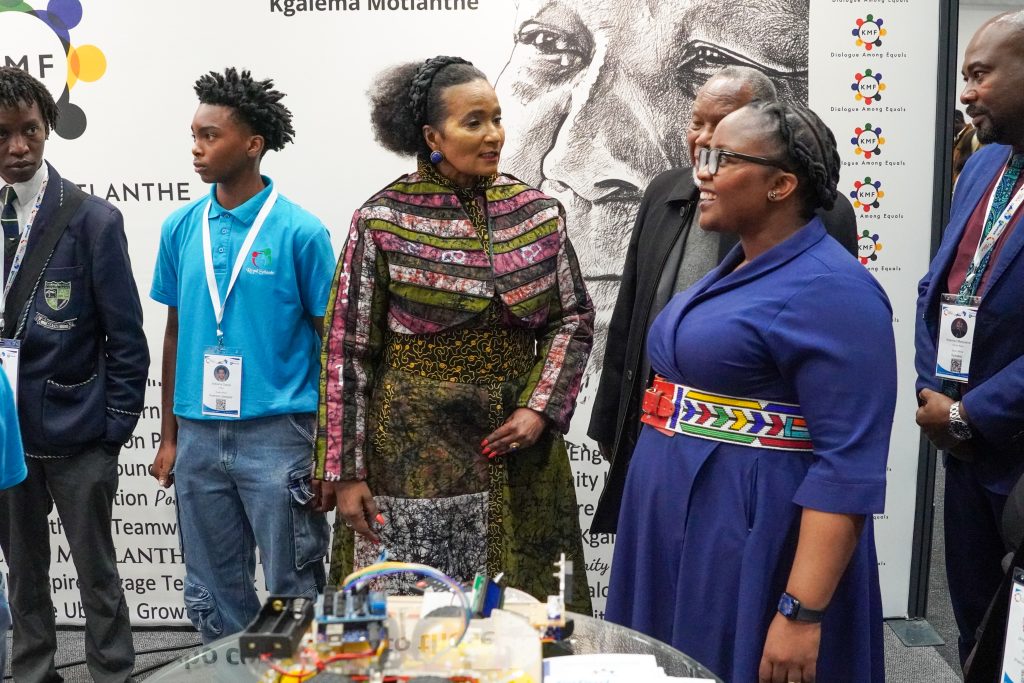
After last week’s GEC+Africa conference, a pan-African entrepreneurship and investment summit, in Cape Town, I came away with a different way of looking at Africa’s financing problem: the continent may not have a shortage of capital as much as it has a shortage of business legibility.
There is money in banks, venture capital funds, development finance institutions and alternative lenders. There are also millions of businesses generating revenue, employing people and serving customers. The problem is that much of that economic activity does not produce the kind of reliable, structured data that financial institutions need to understand risk.
That creates a gap between a business being economically active and being financially visible enough for a lender to assess and finance it.
A small business can have paying customers, regular transactions, invoices and purchase orders, yet still look risky to a lender because those signals are scattered across different systems. A startup may be growing but lack the operational history an investor needs to assess it. A gig worker could earn consistently but appear irregular because that income does not resemble a salary.
Originally published by TechCabal.