
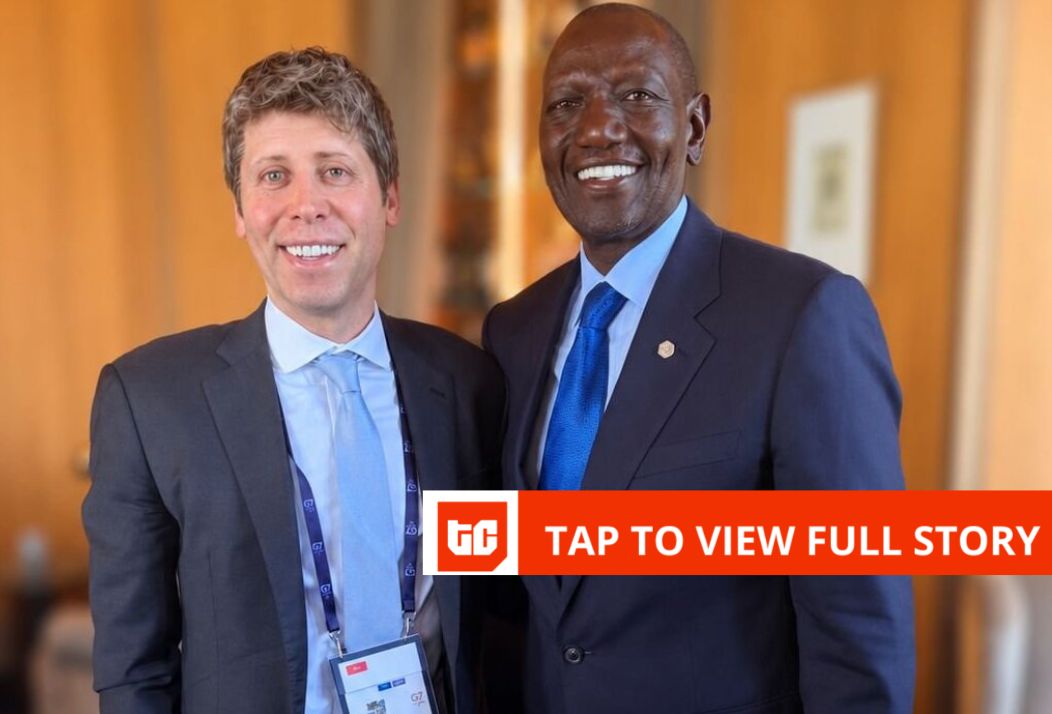
President William Ruto met OpenAI chief executive Sam Altman on the sidelines of the G7 Summit in Évian-les-Bains, France, and came home with a conversation. The two discussed making Nairobi the home of the first OpenAI Academy initiative in Eastern Africa, expanding AI education, and building digital skills across the region. Ruto shared the news on X, saying he stressed the importance of technology in creating opportunities for young Africans and ensuring the continent has a meaningful role in the digital economy.
What the announcement did not include is equally telling. There were no investment figures, no signed agreements, and no timelines. The official statement described "potential collaboration," a phrase wide enough to cover anything from a few online workshops to a permanent institution on the ground in Nairobi.
That ambiguity is not just a communications issue. It reflects something real about where Africa sits in the global AI moment. The current race is being fought through three things: compute power, capital, and talent. The United States and China dominate all three, and most African countries, Kenya included, hold very little of that infrastructure.
What Kenya does have is people, and a young population at that. That is likely why education has become the centrepiece of AI diplomacy on the continent. Governments celebrate meetings with Silicon Valley executives, Big Tech announces training programmes, and policymakers talk about positioning their cities as AI hubs.
None of that is wrong, exactly. But there is a pattern forming where the announcement of a conversation gets treated like the arrival of an investment. Whether the OpenAI Academy discussion leads to something concrete in Nairobi, or quietly joins a long list of promising sideline meetings, will be the more interesting story to watch.
Originally published by TechCabal.