
Walk into any Chicken Republic in Nigeria soon, and you might notice something new at the counter. On October 13, CashAfrica announced a partnership with Food Concepts, the company behind the quick-service chain, to roll out mobile tap-to-pay across more than 350 Chicken Republic outlets. The goal is straightforward: make contactless payment feel normal for everyday Nigerians.
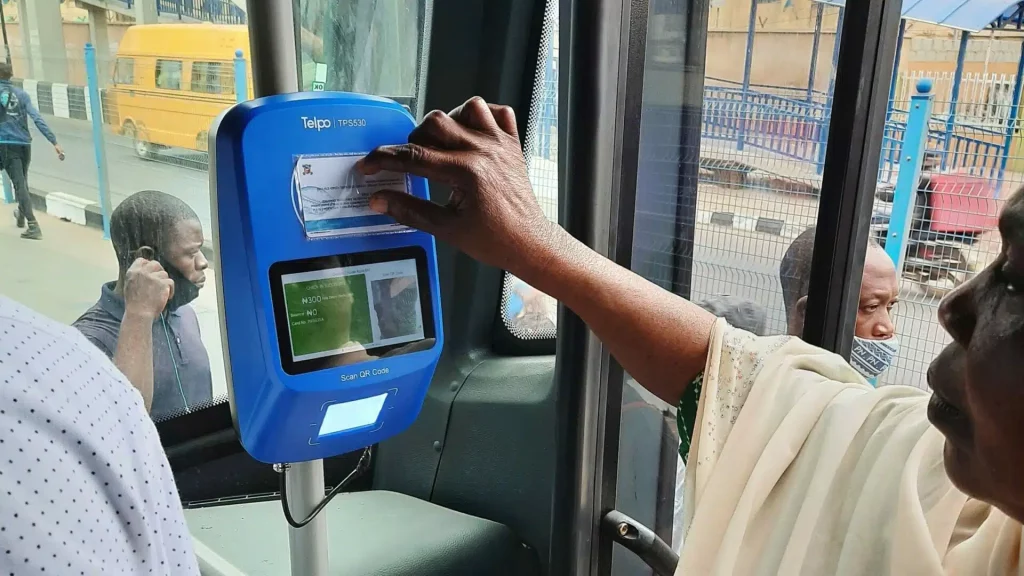
If you have ever boarded a Lagos BRT bus, you have already used tap-to-pay technology without making a big deal of it. The blue Cowry card, operated by Touch and Pay Technologies for Lagos' transport authority, works across the city's road, rail, and ferry networks. TAP reports more than 300,000 active users and over 56 million transactions processed. The reason it works is simple: tapping is not optional. You tap before you board, full stop. That kind of built-in necessity is exactly what broader contactless adoption has been missing.
Nigeria's payment habits have already shifted dramatically. Between 2014 and 2024, cash transactions fell by 59%, and NIBSS data shows POS terminals processed 1.38 billion transactions worth 18.32 trillion naira in 2024 alone. Nigerians clearly trust digital payments. The open question is whether they see a real reason to tap a card or phone rather than scan a QR code or transfer from their banking app.
This is not a new challenge. In 2015, Unified Payments launched PayAttitude alongside six banks, including Access Bank, Zenith Bank, and FirstBank, offering NFC-based payments through a tag linked to a prepaid wallet. In March 2025, Access Bank went further, launching Tap to Phone with Visa so merchants could accept contactless payments on NFC-enabled Android phones without a traditional POS terminal at all. Every attempt has chipped away at the supply side, making the technology easier to deploy. What none has cracked yet is the demand side: giving consumers and merchants a reason compelling enough to change how they already pay.
CashAfrica's Chicken Republic bet is that scale and frequency can do what novelty alone has not. Fast food is a high-volume, repeat-visit environment, which gives tap-to-pay a real chance to become a habit rather than a curiosity. Whether 350 outlets is enough to move the needle for a country this size is the question worth watching.
Originally published by TechCabal.