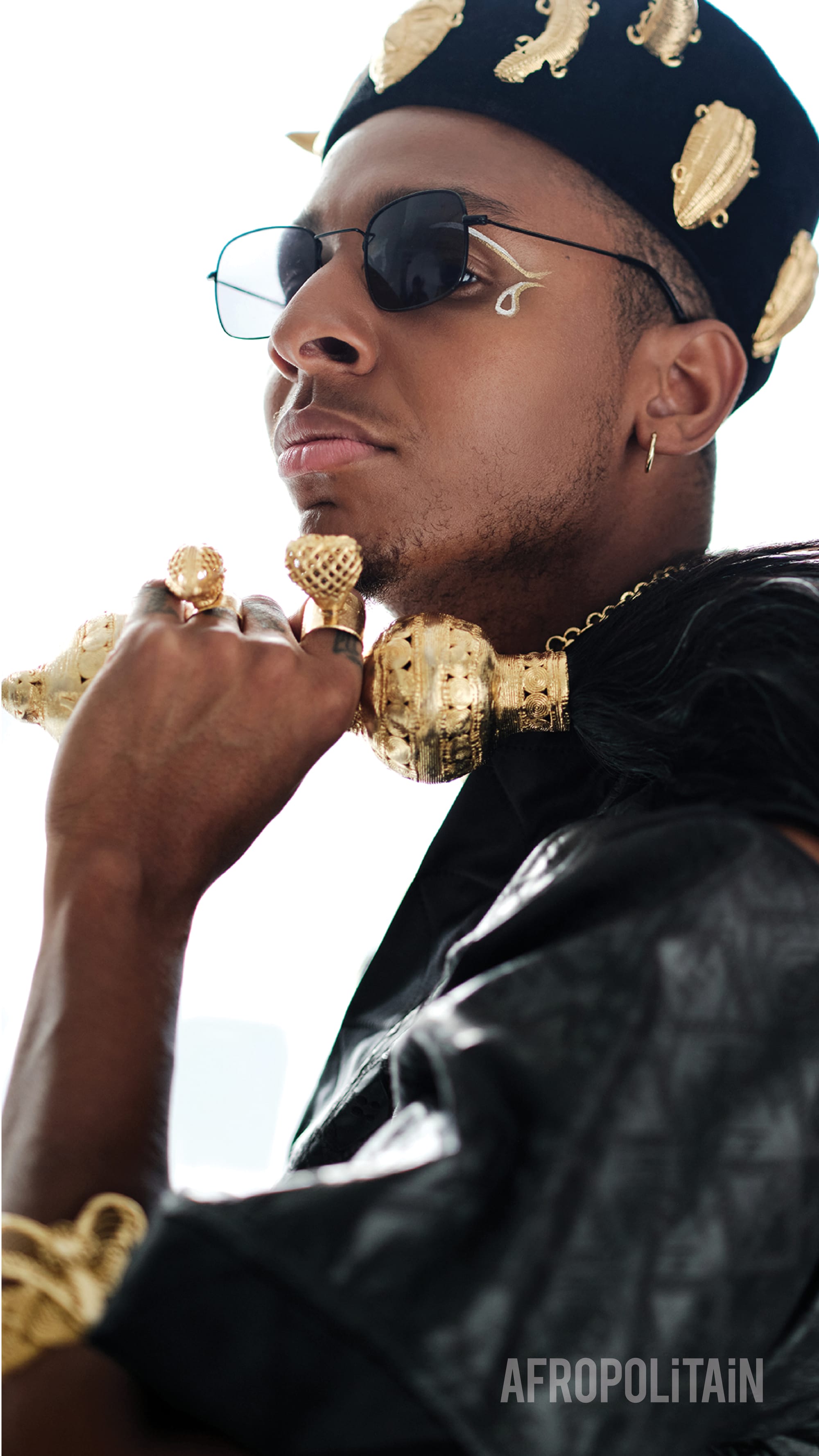
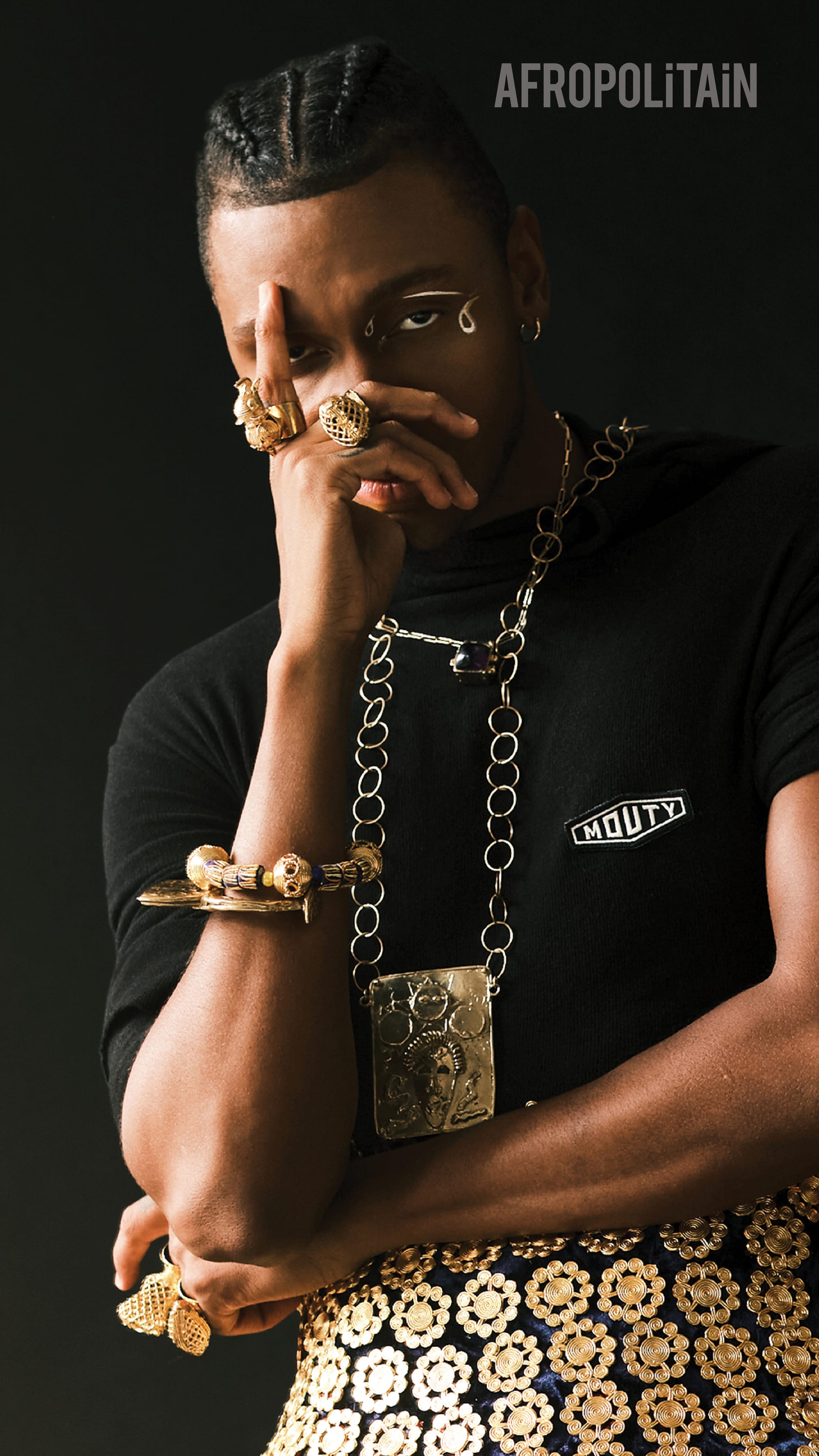
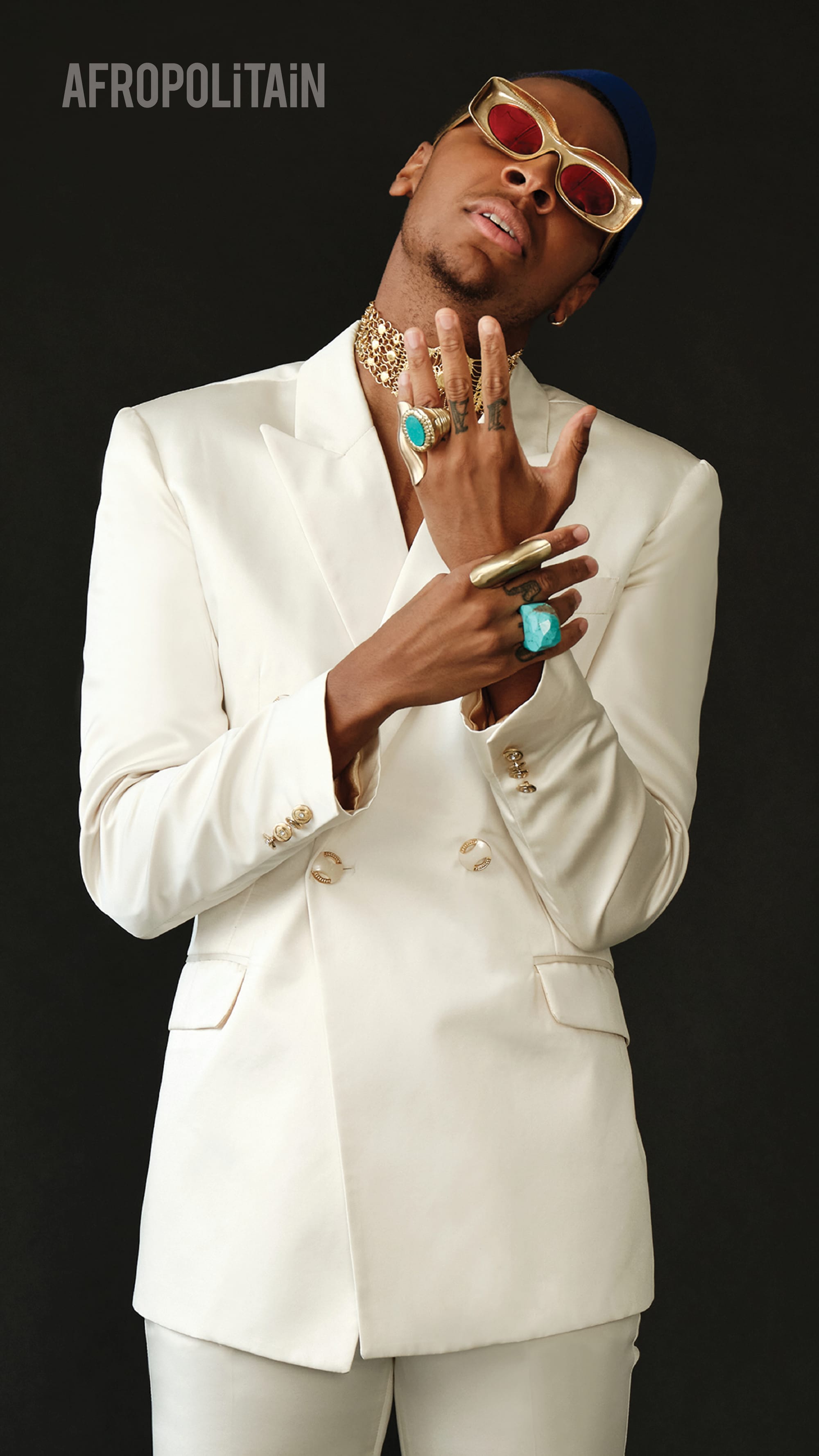
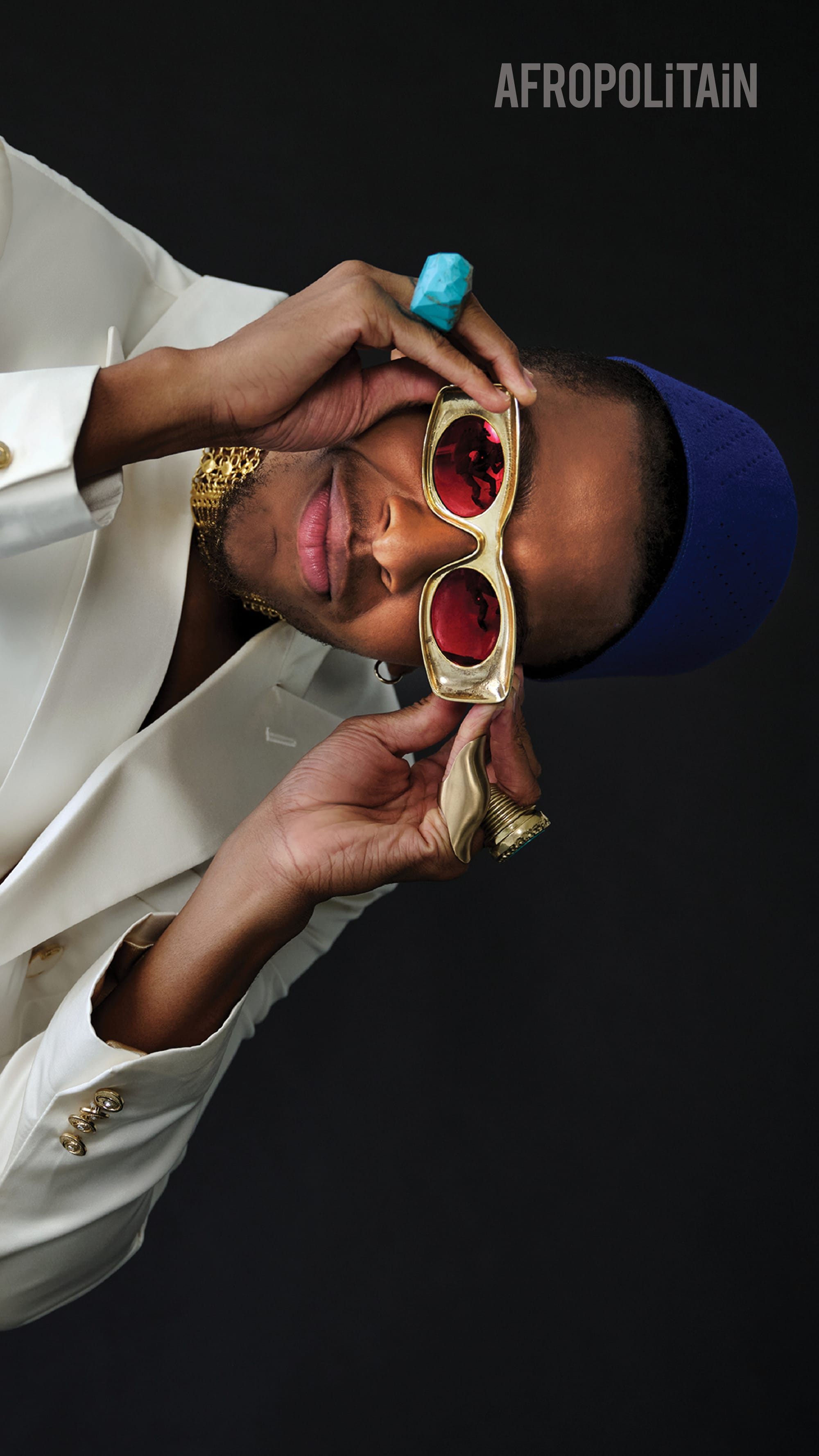
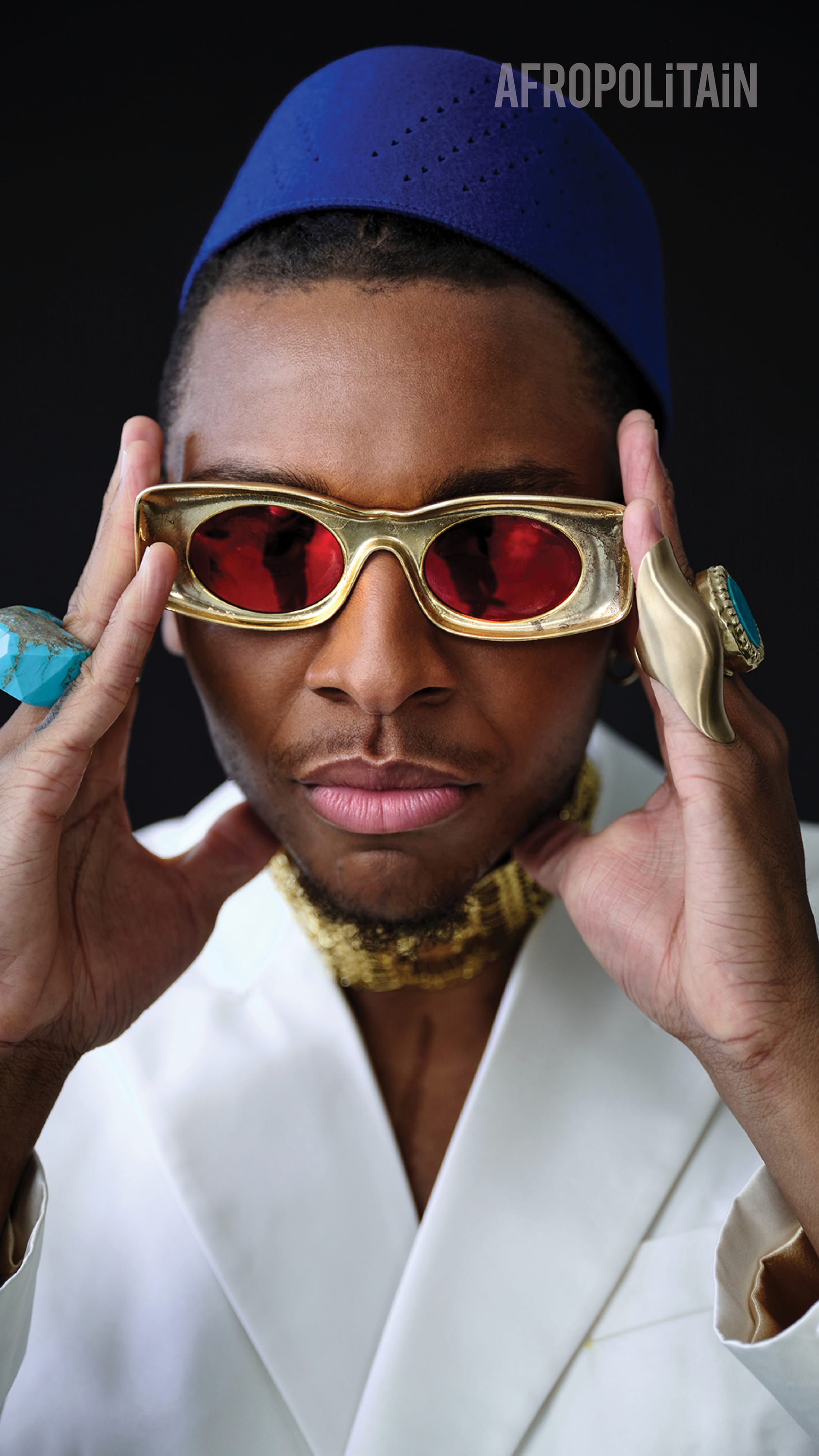
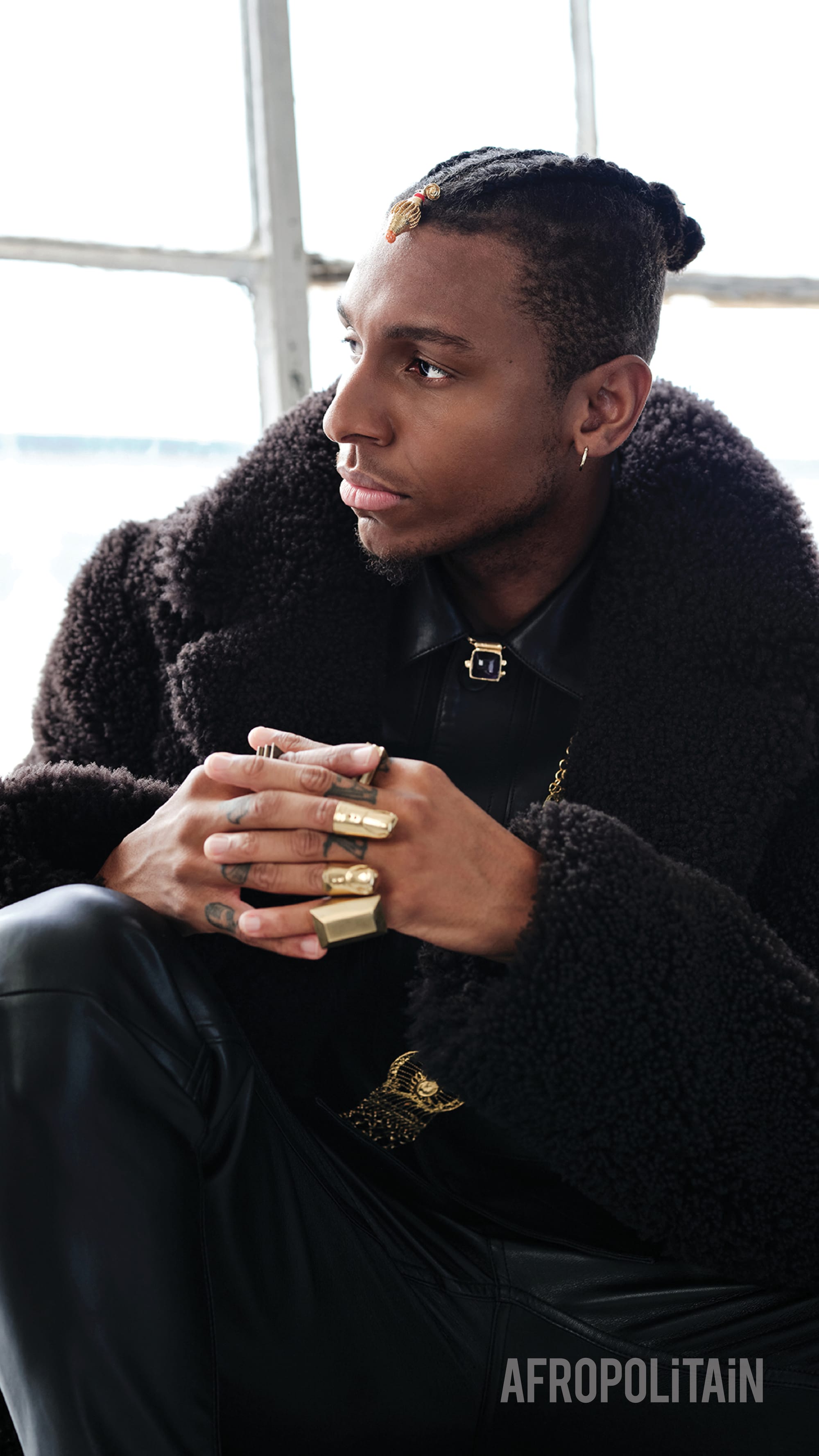
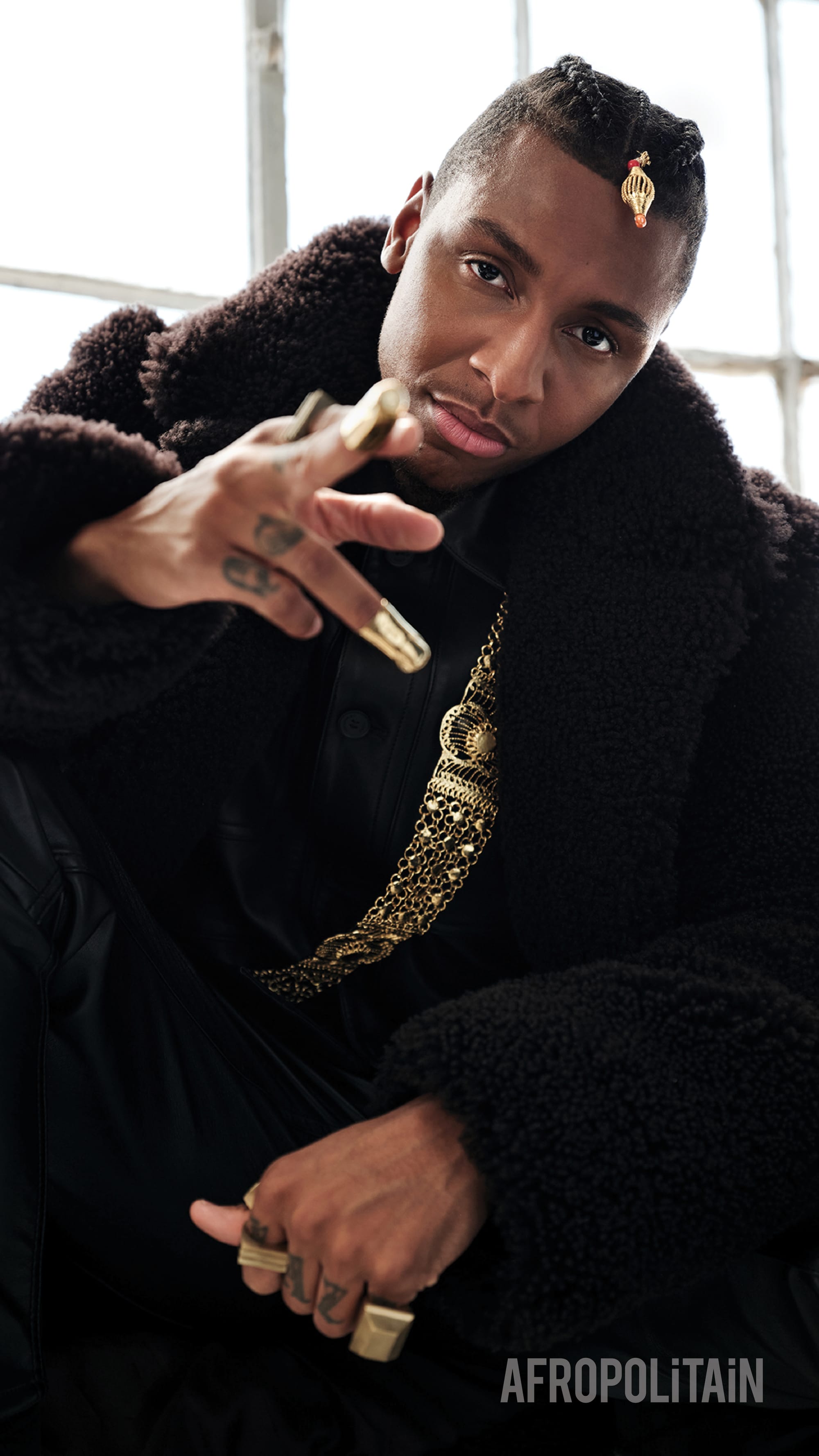
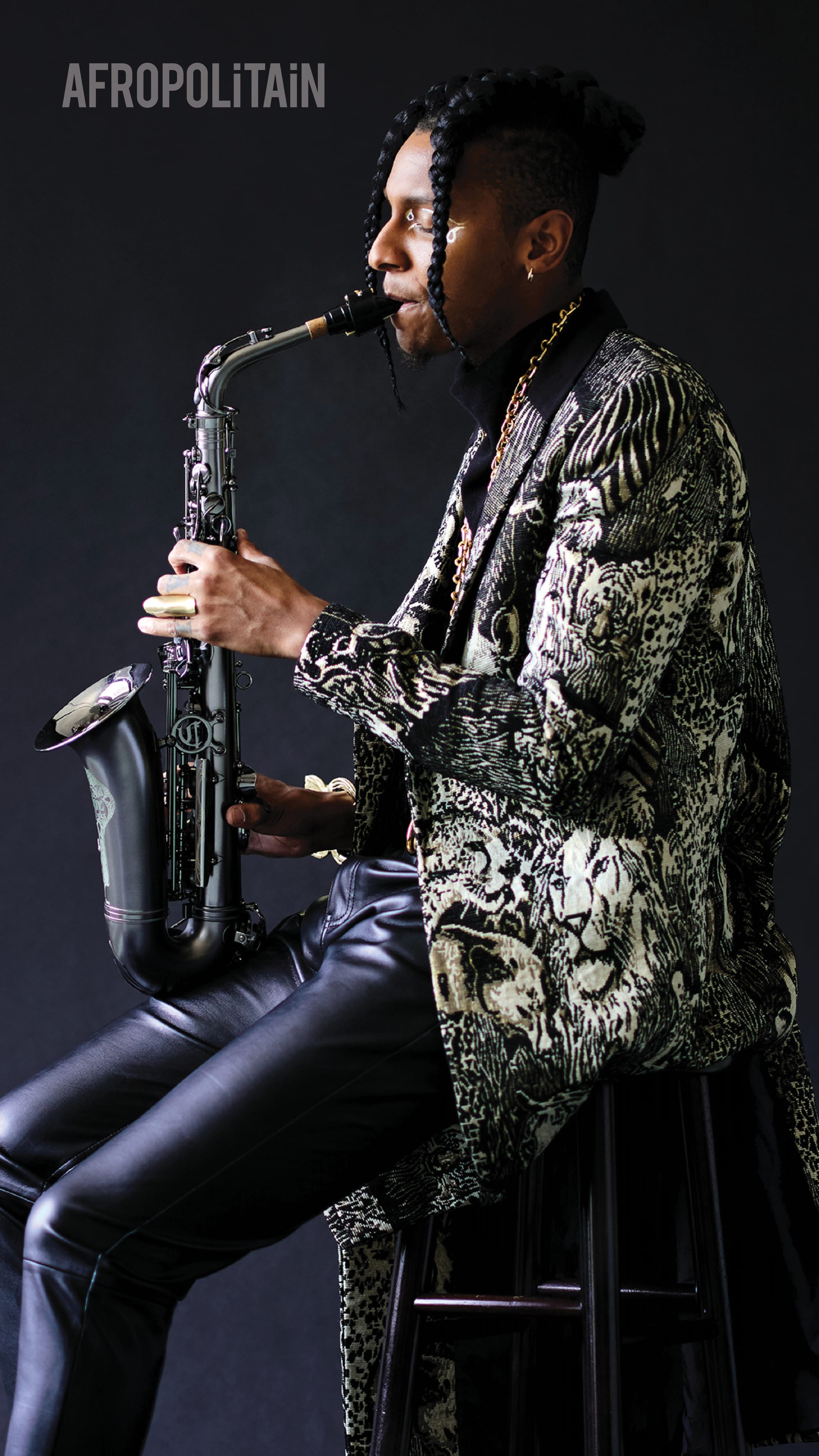
MASEGO: MOVING THE WORLD WITH HIS MELODIES
"There's a particular kind of freedom in Masego's music—a freedom that sounds like it was hard-won and carefully kept. The Jamaica-born, Virginia-raised artist who named his own genre "TrapHouseJazz" has spent the last decade building a universe that doesn'"
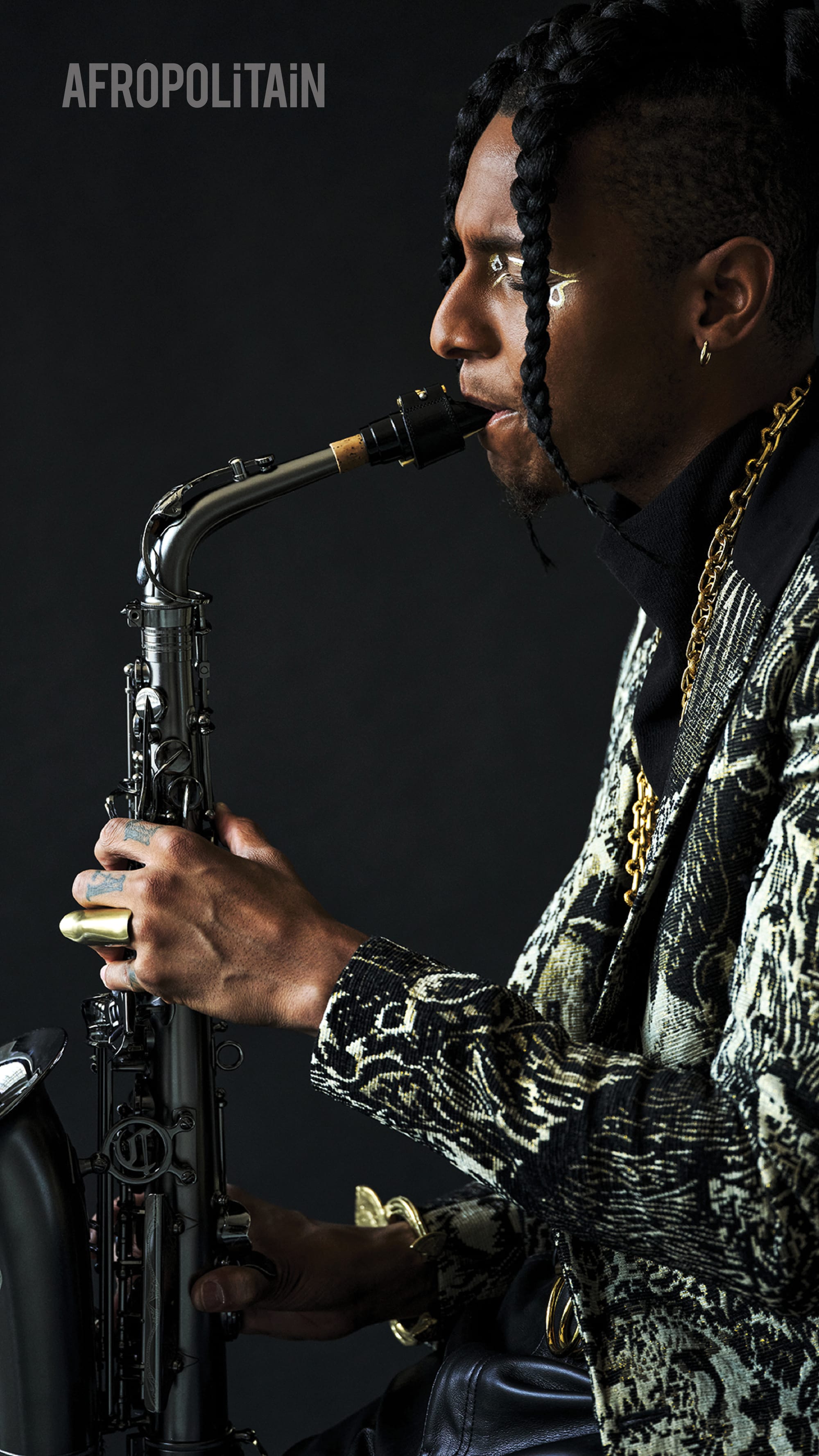
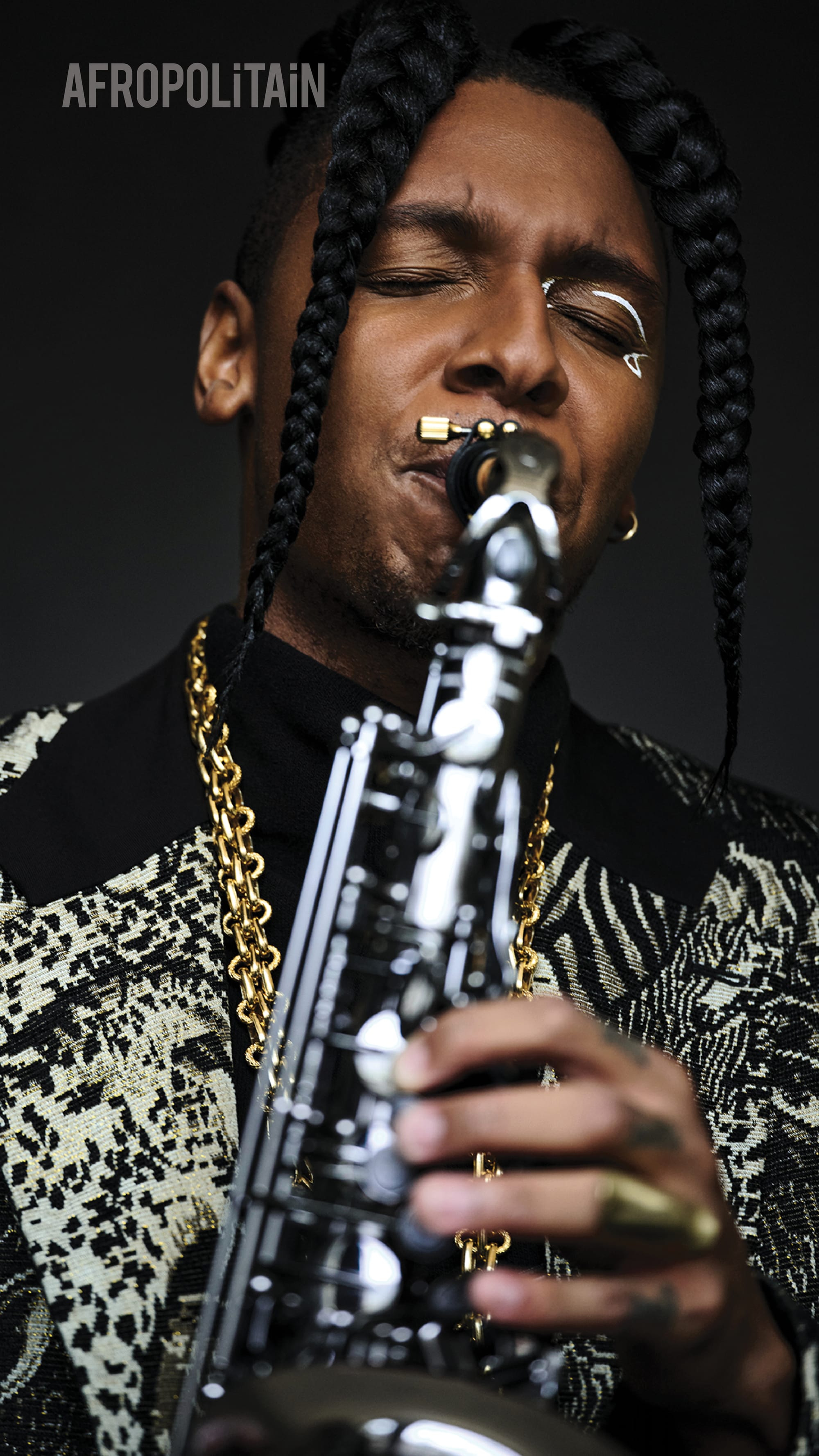
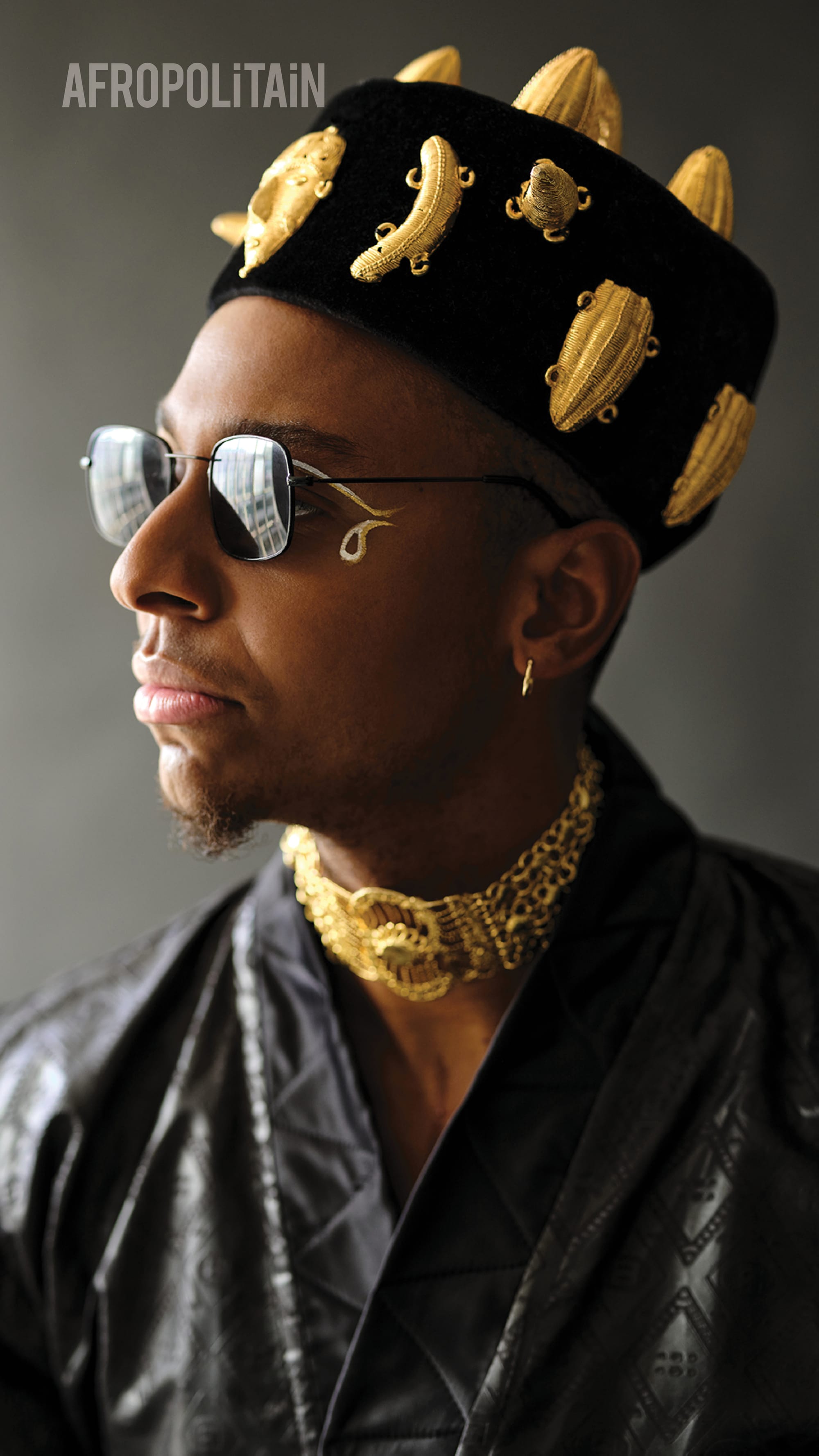
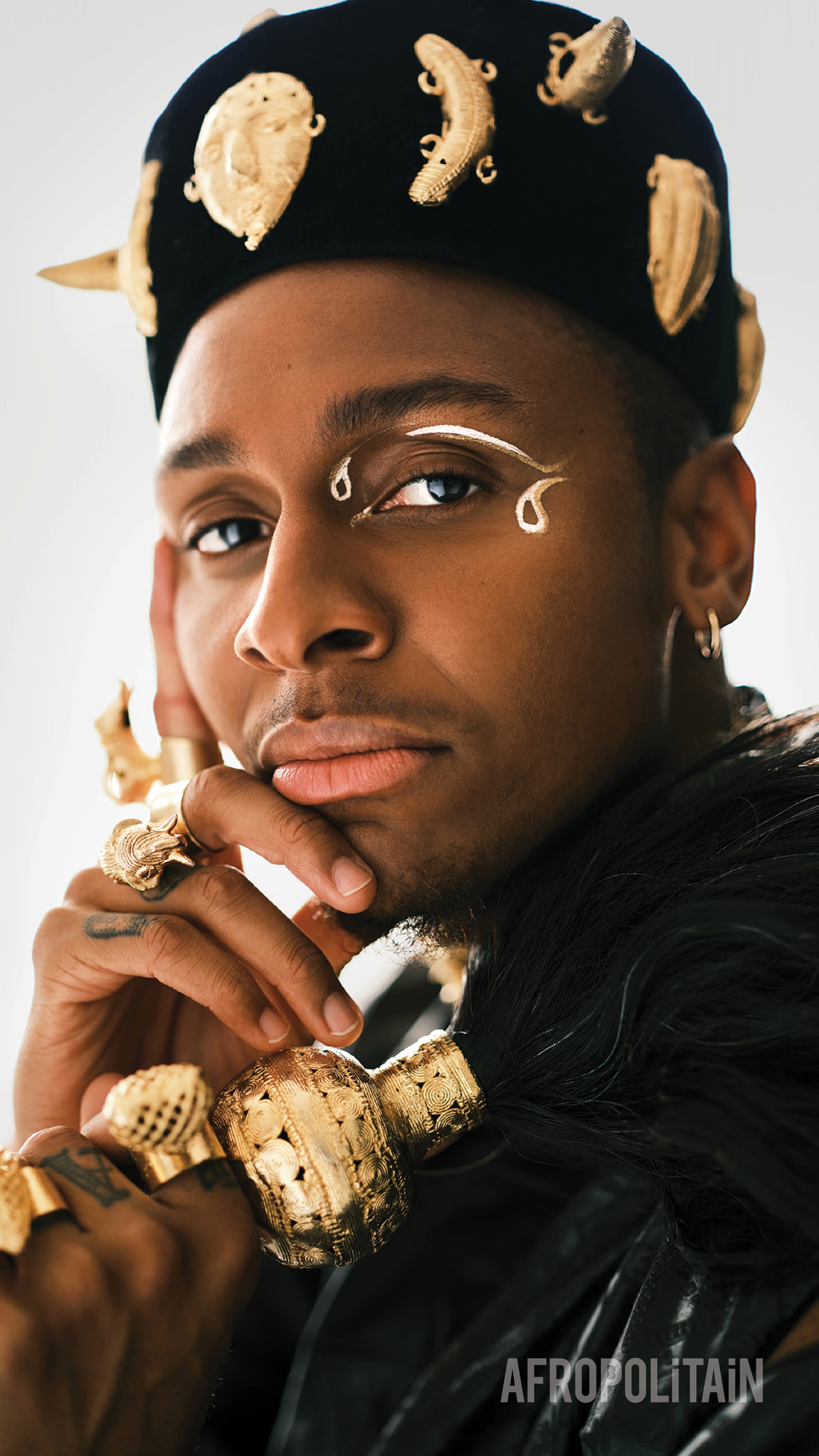
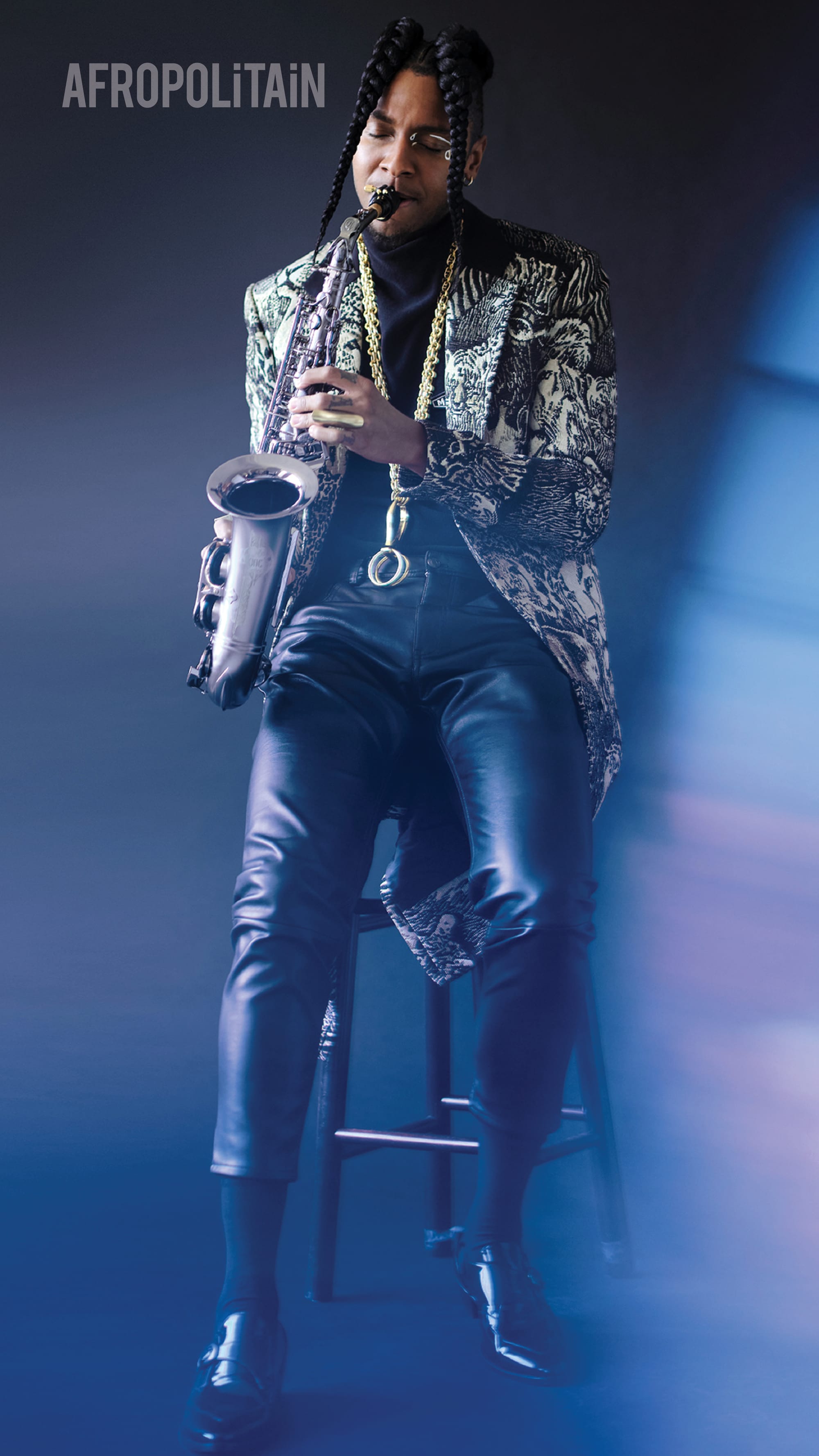
There's a particular kind of freedom in Masego's music—a freedom that sounds like it was hard-won and carefully kept. The Jamaica-born, Virginia-raised artist who named his own genre "TrapHouseJazz" has spent the last decade building a universe that doesn't ask permission to exist. We sat down with him between soundchecks to understand the architecture of that world.
On His Sound
Keziah Makoundou: Your genre—TrapHouseJazz—is almost a manifesto. Where did that come from?
Masego: It came from needing a word for something I was already doing. I play saxophone. I grew up in church. I love hip-hop. I love house music. I didn't know which room to stand in, so I built my own room. TrapHouseJazz is just the address.
On His Influences
KM: There's a deep jazz lineage in your work—but it doesn't feel reverent. It feels alive.
Masego: Jazz was always alive. People made it sound like a museum exhibit, and I think that's a disservice. John Coltrane wasn't making museum music—he was making dangerous, electric, alive music. I'm just trying to do the same thing in the language my generation speaks.
"It's like this tennis match, and I feel like we just keep on creating this amazing, high-energy show. You serve, the audience returns, you volley back."
On Performing
KM: Your live shows have a reputation for being almost spiritual. What do you want the audience to feel?
Masego: Seen. I want them to feel seen. Music is the universal translator—it bypasses all the noise and goes directly to what's real in a person. When I play, I'm not performing at the audience. I'm performing with them. It's a conversation. When it works—and it usually works—you forget about the score and just play.
On Africa
KM: Your music has a deep African current. You've collaborated with artists across the continent. What does that connection feel like from the inside?
Masego: Africa is the root of everything rhythmically for me. When I make music, I'm not thinking about charts. I'm thinking about the feeling of a drum at 3AM somewhere warm. That's Africa. That's the origin code. I'm just somebody who got handed a piece of that and didn't squander it.
On Success
KM: Best advice you've ever received?
Masego: DJ Jazzy Jeff told me: "Don't fall into music for the money." And I think about that every single time I'm in the studio. The money follows the truth. You have to make the truth first—the uncomfortable, specific, undeniable truth. Then everything else lines up.
On What's Next
KM: What are you building toward?
Masego: A body of work that could only have come from me. Not from my genre, not from my era—from me specifically. Something that, twenty years from now, makes people feel something they can't quite name but can't put down. That's the goal. That's always been the goal. Everything else is just noise I'm trying to tune out on the way there.
Photography by J.D. Barnes.