
Inside Luanda’s high-stakes summit to direct Africa’s $100bn banking machine into the real economy
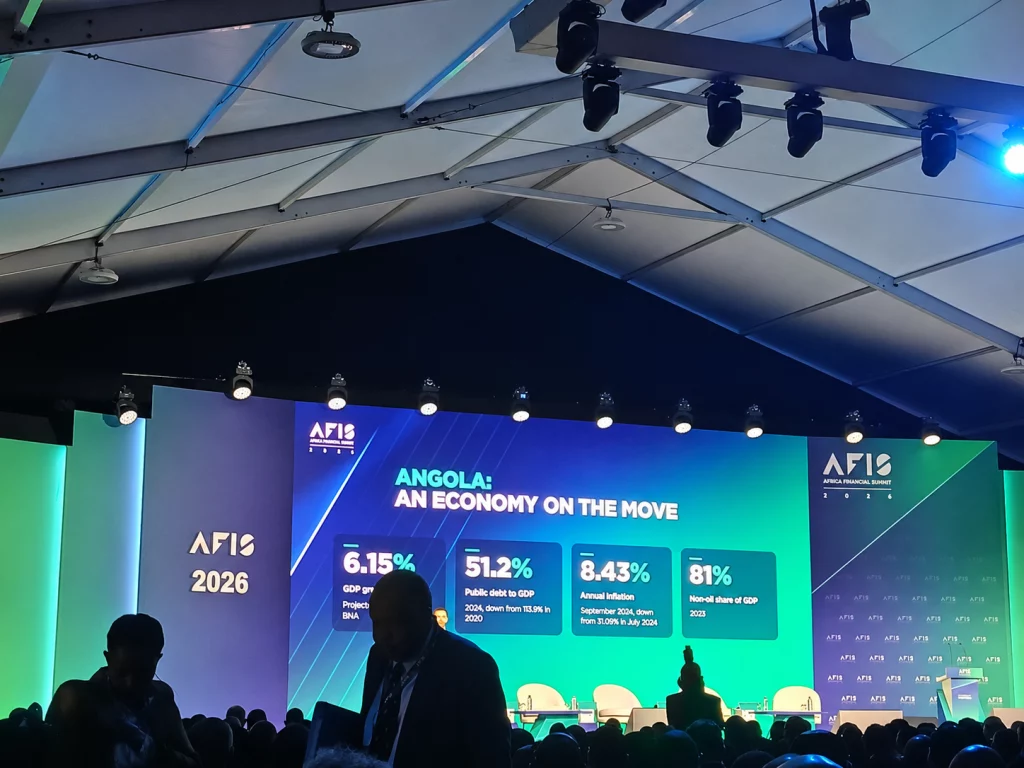
Luanda became the host city for a pointed conversation about money and power this year, as the Africa Financial Summit (AFIS 2026) opened with a challenge that cut through the usual optimism of such gatherings. African banking revenues crossed $100 billion in 2024, and returns on equity are competing with the most lucrative emerging markets on the planet. But the businesses, builders, and entrepreneurs actually moving the continent forward are still struggling to access credit. Record profits on one side, real-economy drought on the other.
Amir Ben Yahmed, CEO of Jeune Afrique Media Group and co-founder of AFIS alongside the International Finance Corporation, put it plainly to a room of central bank governors, finance ministers, and fintech executives. "Over the past two decades, Africa's finance is stronger, but it still underfunds the real economy," he said. "The question is no longer simply how to make African finance stronger. It's how to make African finance matter more." That framing became the thread running through the entire opening session.
This year's summit theme, "Making Capital Count: Unlocking Growth Through African Finance," reflects exactly that tension. The gathering also marks a first for the summit, its debut in Southern Africa and the Lusophone world, with Angola stepping into the role of host.
Angola's Minister of State for Economic Coordination, Dr José de Lima Massano, opened proceedings by addressing the gap between financial liquidity and real-sector productivity directly. He acknowledged the encouraging signs of commercial maturity in continental banking, while making clear that the transmission mechanism between that financial strength and actual economic output remains stuck.
With 85 percent of Africa's workforce still operating in the informal economy, the pressure on institutions to move capital away from dollar-denominated debt and paper assets into local-currency credit, MSMEs, and infrastructure is not abstract. It is the central argument of this summit, and Luanda is now the city where that argument has to become a plan.
Originally published by TechCabal.