
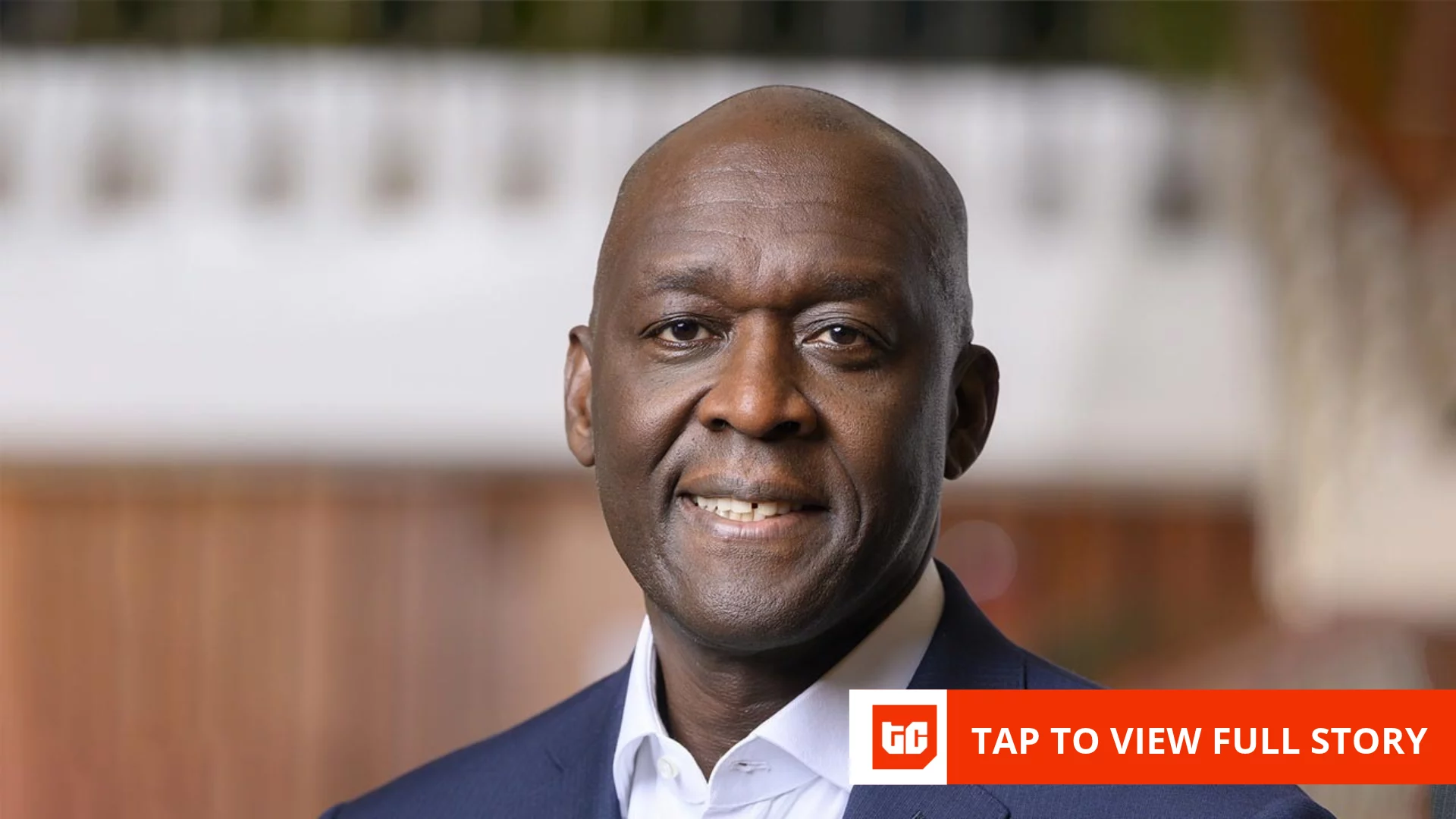
Makhtar Diop, Managing Director of the International Finance Corporation, did not mince words at the Africa Financial Summit in Luanda this week. Speaking to an audience of central bank governors, finance ministers, and commercial bank executives, he laid out a stark picture: African businesses are being choked by short-term dollar debt, bloated balance sheets, and administrative red tape, and the continent's job creation engine is stalling as a result.
Diop acknowledged that Africa's projected 4.5% economic growth is a bright spot against a difficult global backdrop, but he was quick to add that it is not nearly enough to absorb the millions of young people entering the labour market every year. With advanced economies pulling back on foreign aid and domestic budgets squeezed by inflation and public debt, he argued that the continent simply cannot keep waiting on external development assistance to do the heavy lifting.
The real problem, according to Diop, is not that African savings are scarce. It is that the financial instruments needed to put those savings to work do not exist at scale. Local-currency credit, long-term debt, and equity are all in short supply, and businesses are paying the price. Firms are being forced to fund long-term capital investments with short-term bank facilities, a mismatch that quietly erodes corporate stability over time. Equity is especially critical here. As Diop put it plainly: "You can lend to a company, but you build a company with equity."
The urgency behind all of this is youth. Diop tied the capital crisis directly to social stability, warning that young people locked out of formal employment are already showing signs of frustration across the region. Fintech and cash-flow-based financing are emerging as part of IFC's proposed response, giving smaller enterprises access to credit based on revenue performance rather than collateral alone. The question now is whether the financial architecture can move fast enough to meet the moment.
Originally published by TechCabal.