
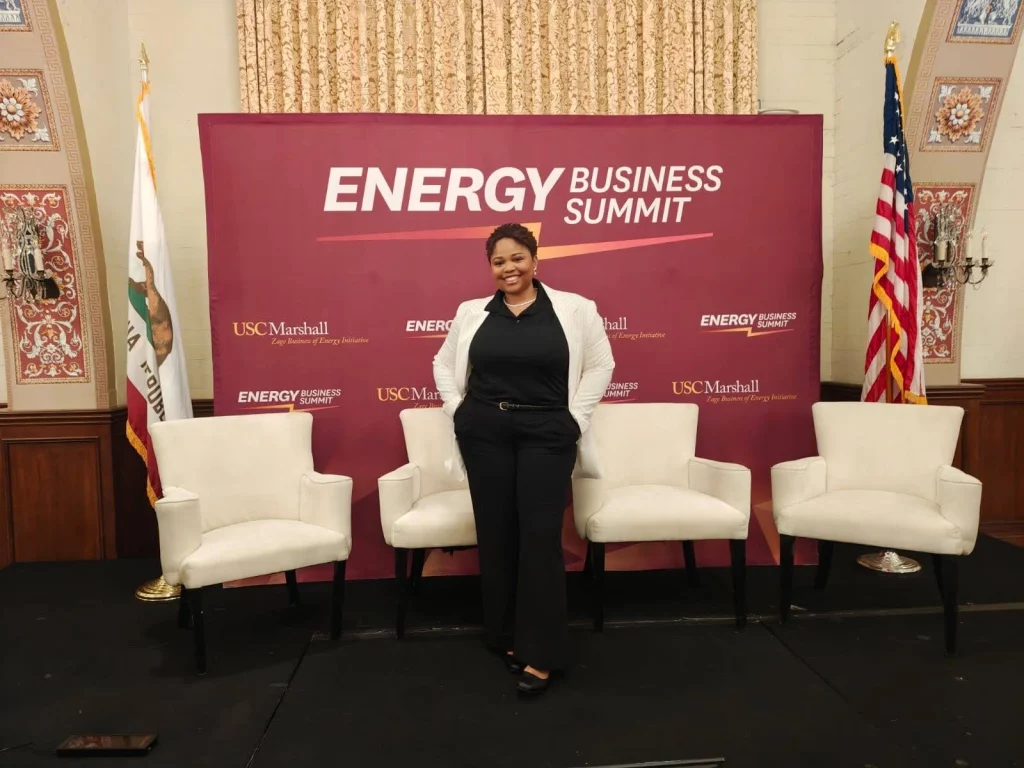
Victoria Abiodun grew up in a healthcare household, with a plan already written for her: finish her anatomy degree at the University of Ilorin in Kwara State, head abroad for medical school, and keep it moving. Cryptocurrency was nowhere in that plan. As far as she was concerned, it belonged to the world of internet scams, and the people promoting it were either running them or getting caught in them.
Then a coursemate from her anatomy class changed everything, not with a lecture, but with a lifestyle. "In all honesty, the first thing that piqued my curiosity was the money he was making," she says. "I was like, 'What? This is crazy.'" The money got her attention, but her science brain needed more. She started writing out the concepts herself, translating dense whitepapers into plain language just to make sense of them. The goal, she says, was simply to teach herself the core concepts.
That habit of writing-to-understand opened more doors than she expected. An ASUU strike and the 2020 lockdowns gave her time to go deeper, and she did, eventually ghost-writing technical primers as an undergraduate, advising blockchain companies, and co-founding a gaming startup. She also spearheaded marketing for a European decentralised identity protocol and built Superteam Ilorin, a 100-person developer community on the Solana network, from the ground up in her own city.
Today, Abiodun is pursuing an MBA at USC while researching high-density energy demand. She is also writing the open-access, plain-English blockchain book she wishes had existed when she started. The anatomy student who once wanted nothing to do with crypto is now one of its clearest explainers, and she is only getting started.
Originally published by TechCabal.