
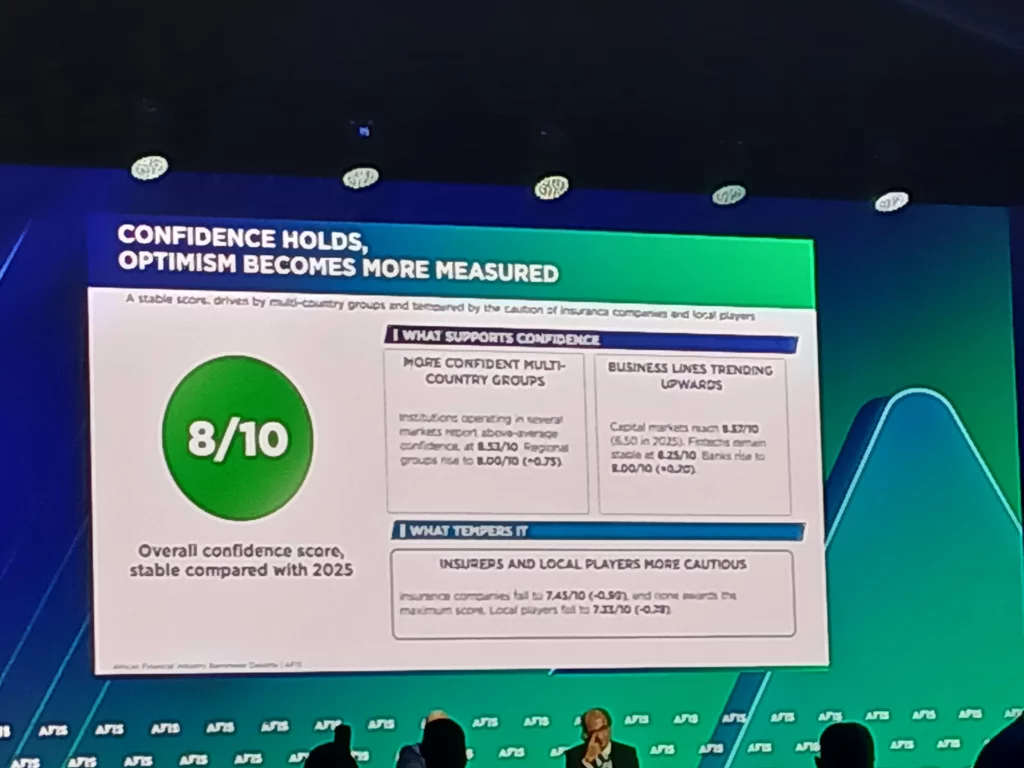
Eight out of ten. That is the confidence score African financial leaders gave their industry in the latest African Financial Industry Barometer, matching exactly what they reported the year before. Steady numbers, steady mood. Except underneath that calm surface, something uncomfortable is happening.
Eighty-eight percent of commercial banks and fintech companies across Africa say they have seen a rise in electronic financial crimes. That figure comes from the sixth edition of the Barometer, a survey of financial leaders across 20 African nations published jointly by Deloitte and Jeune Afrique Media Group and presented at the Africa Financial Summit in Luanda. Digital fraud is not a background concern anymore. It is the single biggest operational deterrent to cross-border financial activity on the continent.
The knock-on effect is real. Rather than expanding regionally, many institutions are pulling back and consolidating within their home markets. That retreat is quietly stalling some of the continent's most ambitious financial projects. Initiatives like PAPSS and AfCFTA were built on the promise of seamless cross-border finance, but they cannot deliver on that promise if the institutions meant to power them are spooked into staying local.
The contradiction at the heart of this moment is worth sitting with. Confidence is high. Ambition, at least on paper, remains strong. But when fraud risk makes cross-border operations feel too exposed, optimism does not automatically translate into action. The gap between institutions already operating across borders and those focused purely on domestic markets tells that story clearly.
The question the industry now has to answer is whether African banks and fintechs will build the security infrastructure needed to move forward together, or whether rising cybercrime will keep fragmenting a continent that has been working hard to connect itself.
Originally published by TechCabal.