
East Africa’s beauty reset isn’t just about global pharma; a new wave of Black‑owned, region‑rooted skincare brands is rewriting what “good skin” looks like on the continent, from Nairobi to Kampala to Kigali. Instead of chasing harsh lightening trends, these founders are building ingredient‑literate, melanin‑first lines that center hydration, barrier health and a realistic, healthy glow for East African skin tones. They’re formulating specifically for humid climates, high UV exposure and common concerns like hyperpigmentation, acne and dryness, using language that prioritises skin health over shade. And because these labels are led by Black East African founders, they’re folding in local rituals, botanicals and community education, so skincare feels culturally grounded rather than imported.
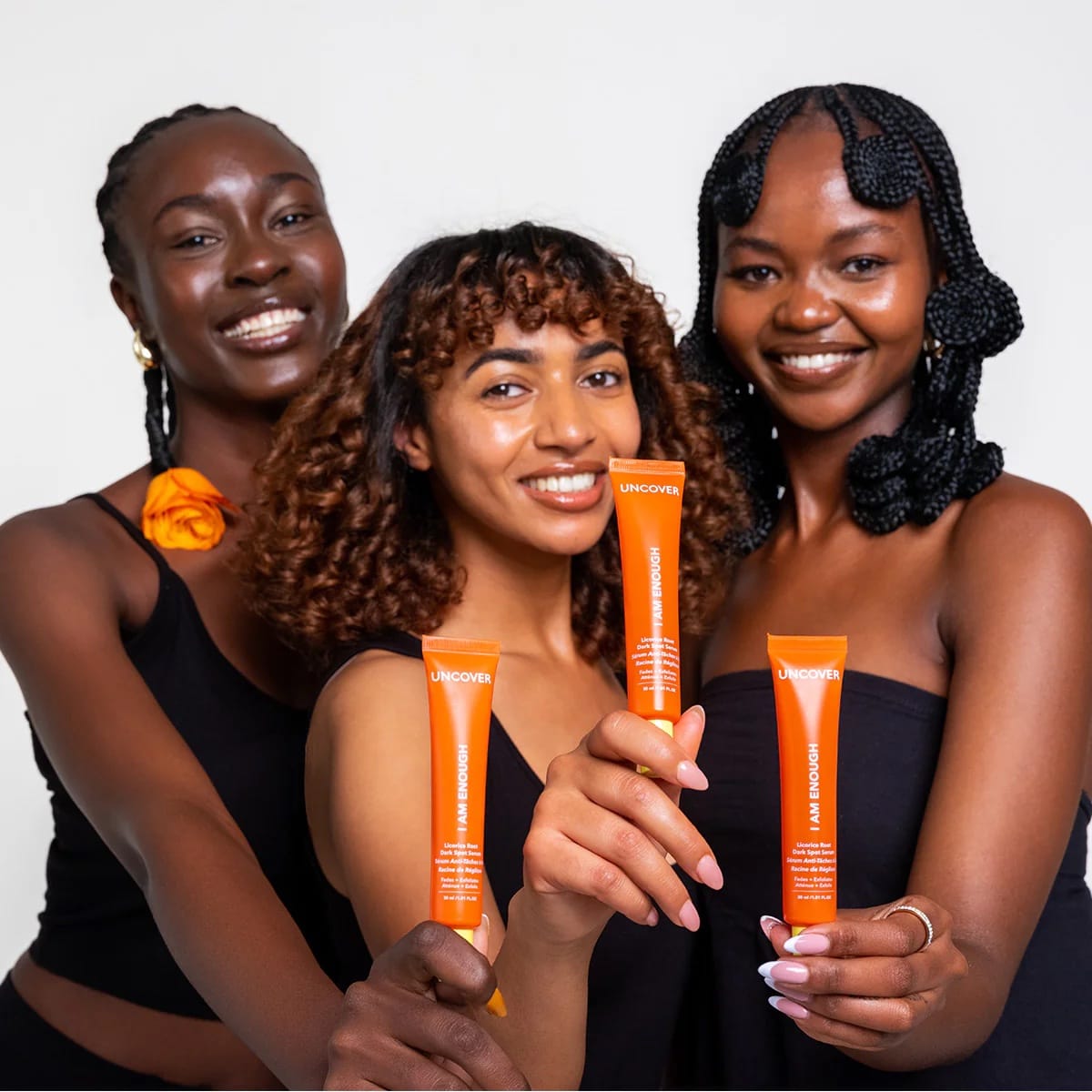
In Kenya, UNCOVER Skincare has emerged as a key player: a women‑founded, Nairobi‑based brand that fuses Korean skincare science with African botanicals to serve Black skin in hot, high‑UV climates. Hero products like the Baobab Glow‑C Serum, Aloe Invisible Sunscreen SPF 50 (no white cast) and targeted acne solutions such as the I Am Secure Pimple Patch are formulated for melanin‑rich, acne‑prone and sensitive skin, and are now stocked across Kenya, Uganda, Nigeria and online. The brand’s communications lean heavily on education—breaking down ingredients, SPF myths and barrier repair—which is part of why it keeps showing up in “game‑changing African skincare” lists. You can see how UNCOVER is profiled among standout African skincare brands here.
Across the region, founders are also leaning into heritage and self‑reliance. AASAI, created by Ugandan entrepreneur Brenda, positions itself as a body‑care line built on traditional East African “body nourishers,” using natural and organic ingredients to support melanated skin rather than alter it. The range focuses on rich butters, oils and lotions designed for everyday use in African climates, emphasizing moisture, softness and long‑term barrier health. AASAI’s storytelling speaks openly about “empowering Africans to be self‑sustainable,” tying its products to a wider mission of economic and cultural autonomy.
In Rwanda and Uganda, Bellazuri adds another Black‑owned option, combining African know‑how with German cosmetic technology to create affordable, non‑toxic skincare and colour products tailored to African complexions. Its serums, face fluids, body lotions and washes are positioned as safer, accessible alternatives to bleaching products, with distribution through pharmacies and beauty outlets across Kigali and Kampala.
The brand’s launch coverage frames it as part of a new generation of African companies that want to give local consumers high‑performance formulas without compromising on safety or cultural relevance. Together, UNCOVER, AASAI and Bellazuri point to a bigger shift: East African shoppers are deliberately backing Black founders who put melanin, science and context at the center of skincare. For a wider view of why Kenya in particular is now seen as East Africa’s beauty powerhouse, you can dive into this market overview here.