
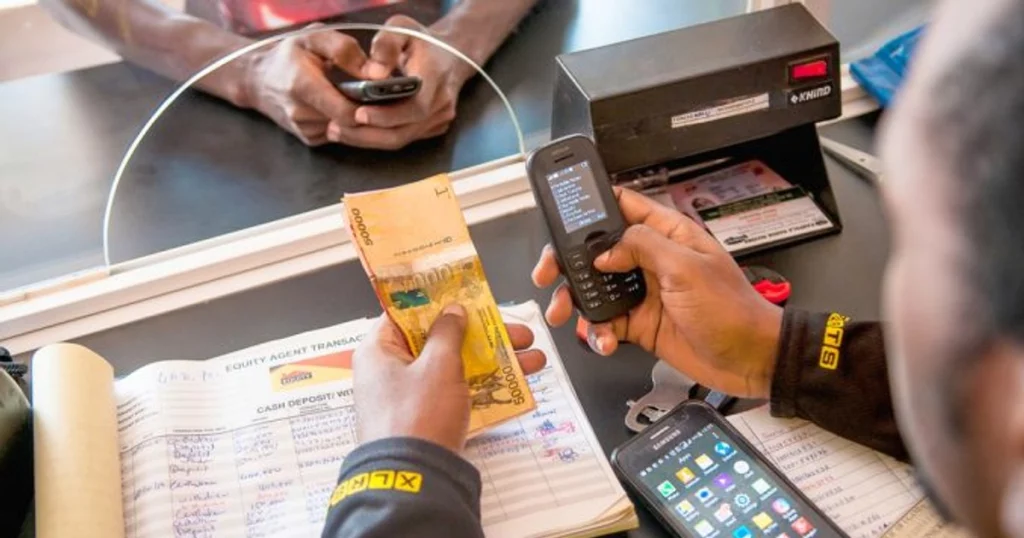
Formal diaspora remittances into Zimbabwe reached $1.62 billion in just the first seven months of 2026, a 24% jump year-on-year according to the Reserve Bank of Zimbabwe. That is a striking number, and Bard Santner, a financial services group spanning asset management, corporate finance, wealth management, and remittance services, wants to build a banking business around it. The firm has secured a deposit-taking microfinance bank licence, and its ambition goes well beyond processing transfers. It wants to turn the people sending money home into long-term banking clients.
The logic is straightforward. Pure remittance companies are squeezed on price, because cross-border transfers have become a near-zero-margin service. Bard Santner is betting that bundling credit, savings, and wealth products onto existing remittance flows changes the economics entirely. A customer who regularly sends money to Zimbabwe already has a financial track record, which means lower acquisition costs for lending and deposit products, provided the infrastructure can handle seamless cross-border clearing.
The competitive environment is genuinely tough. In South Africa, the primary corridor for Zimbabwean migrants, digitally active banking clients surged from 21 million in the first half of 2025 to 27.6 million in the second half, according to PwC analysis. Digital banks like GoTyme, Bank Zero, and Discovery Bank are aggressively competing on transaction costs and yields. Remittance operators including Mukuru, Mama Money, and Hello Paisa already have deep distribution networks across the same migrant communities Bard Santner is targeting.
There is also a trust problem that no licence alone can solve. Zimbabwe's history with currency instability has made many in the diaspora deeply reluctant to leave money in formal savings or investment vehicles. Most remittance inflows move quickly into cash, with very little retained in the financial system. Compelling multi-currency protections and genuinely competitive credit yields would need to be part of the offer, not an afterthought.
The $2.45 billion annual diaspora market is real, but gross volume is not the same as capturable deposits. Whether Bard Santner can convert loyal remittance senders into banking customers will depend on how much better its cross-border product actually feels compared to what incumbents already offer.
Originally published by TechCabal.