
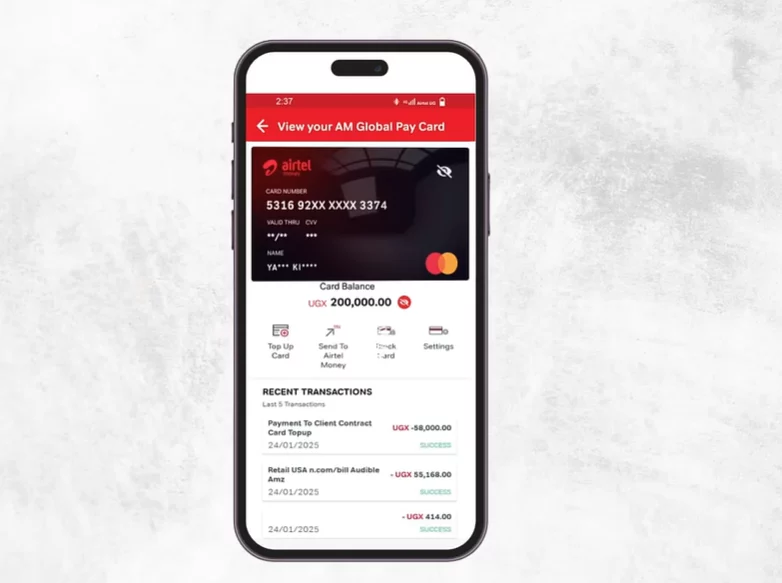
A Netherlands-registered fintech unit of Airtel Africa is preparing to launch a virtual payment card in Kenya, built with Mastercard and linked directly to Airtel Money wallets. The product, called Airtel Money Global Pay, will let customers pay on platforms like Amazon and Netflix without holding a traditional bank account. It is a move that puts Airtel squarely in competition with Safaricom's M-PESA GlobalPay, a virtual Visa card that has been on the market since 2022.
The contest is not just about which network logo sits on the card. It is also about how customers fund their spending and what happens when their balance runs short. M-PESA GlobalPay can tap into Fuliza, Safaricom's overdraft facility, allowing eligible users to complete online purchases even when their wallet is empty. Airtel Money's card is prepaid only, meaning customers must load funds before they can spend. That gap in features could matter to users who rely on flexible credit for subscriptions and digital services.
Still, the numbers suggest Airtel is gaining ground. Data from the Communications Authority of Kenya puts M-PESA's mobile money market share at 88.8 percent as of June 2026, down from close to 95 percent in 2023. Airtel Money's share climbed to 11.1 percent over the same period. Safaricom's lead remains significant, but the direction of travel is clear.
The timing makes sense for both operators. Kenyans are spending more on streaming, software, and overseas e-commerce, categories that once flowed almost entirely through bank cards. Virtual cards give mobile money users a way into those transactions, and for providers facing pressure on domestic payment fees, international commerce offers a new stream of revenue through foreign currency conversion and merchant payments.
Whether Airtel can close the gap with Safaricom will depend on more than the card itself. The question is whether Global Pay can give customers enough reasons to shift habits they have held for years.
Originally published by TechCabal.