
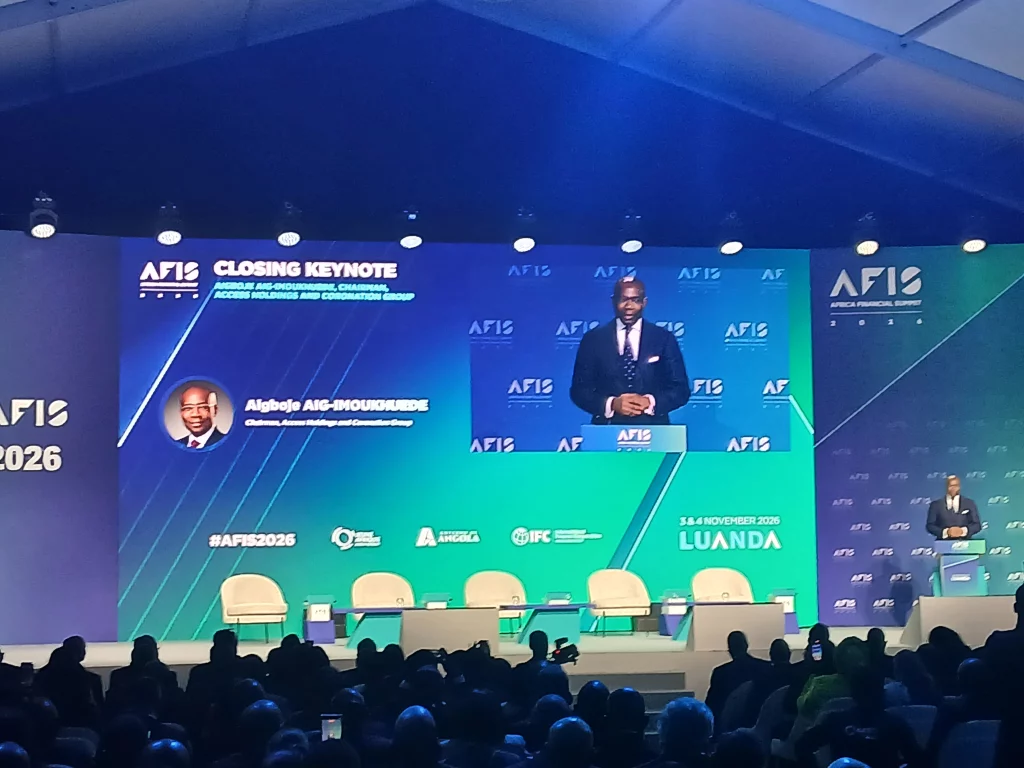
Aigboje Aig-Imoukhuede stepped to the closing session of the Africa Financial Industry Summit in Luanda, Angola, with a pointed challenge for the continent's financial leaders: stop asking how much capital Africa can attract, and start asking how well it is being used. The Access Bank Group and Coronation Group chairman argued that the real work now is connecting money that already exists to businesses, productive economic activity, and long-term investments.
His case rests on three priorities. First, unlock capital currently trapped in commercial transactions. Second, mobilise long-term savings so they can fund long-term investments. Third, tackle the problem of government borrowing that squeezes out private sector access to financing. Each of these, he says, is a barrier that sits between financial stability and actual economic prosperity for ordinary people and businesses.
One of his clearest examples involves small and medium-sized enterprises. Businesses across the continent routinely operate in production and commercial cycles of 90 to 120 days, generating real economic value all along the way. Yet smaller suppliers that feed goods and services into larger companies often cannot access the financing they need to keep those cycles moving. The capital is in the system, but it is not reaching them.
Aig-Imoukhuede's broader argument is that African financial institutions have matured enough to move beyond survival mode. The goal now is productive finance, banking systems strong enough to work across borders, and infrastructure that can eventually support deeper continental integration. A common currency, in his view, comes after that foundation is built, not before.
Whether policymakers in Luanda and beyond take that sequencing seriously will be the real test.
Originally published by TechCabal.