
A growing wave of Black American celebrities is turning symbolic ties to Africa into something more concrete: citizenship. In recent years, stars from music, film and content creation have gone beyond tourism and ancestry trips to formally become citizens of countries across the continent, reshaping the conversation about home, belonging and soft power. At the same time, the trend is raising hard questions on the continent itself about who gets mobility—and who does not.
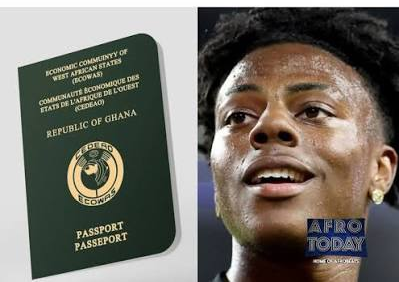
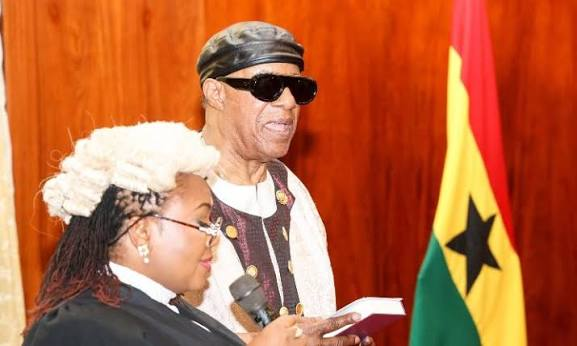
On paper, the list of new celebrity citizens is impressive. Ciara now holds Beninese citizenship; Ludacris and Samuel L. Jackson are citizens of Gabon; Meagan Good and Jonathan Majors were granted citizenship in Guinea after tracing their DNA; Stevie Wonder has Ghanaian papers; and creator IShowSpeed was quickly approved for a Ghanaian passport after a whirlwind visit that went viral. At least eight African countries have created special pathways or symbolic schemes inviting Black Americans and other people of African descent to “come home,” often through ancestry‑based rules or presidential decrees. You can read more about this wave of celebrity citizenship and diaspora‑focused laws here.
But on the ground, not everyone is celebrating. In Ghana, for example, ordinary citizens publicly questioned how a foreign content creator could appear to get a passport almost instantly when locals face long waits, strict vetting and, in some cases, backlogs in basic passport services. A Ghanaian decorator quoted by the BBC called it “a bad precedent,” asking why citizens must endure intense scrutiny while celebrities seem to glide through. Similar frustration shows up online, where people point out that no Western country hands African stars free passports this easily, yet African governments are rolling out red carpets for American fame.
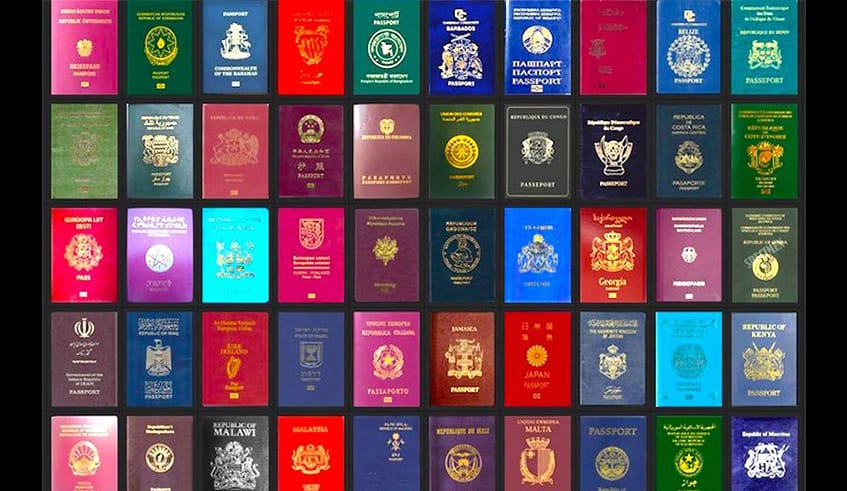
The anger is sharpened by a brutal reality: movement is still extremely difficult for many Africans. Studies describe a kind of “passport privilege” and “visa apartheid,” where African passports sit at the bottom of global rankings and applicants are racially profiled, interrogated and rejected at much higher rates than people from wealthier regions. Recent data on Schengen visas show African countries dominating the list of highest refusal rates—rejections of 45% and above in places like Nigeria, Ghana and Senegal, compared to a global average under 20%. In other words, while some Black Americans are being welcomed with new passports, many Africans can’t even get visas to visit the same Western countries those celebrities are leaving. You can see a breakdown of these visa disparities here.
African governments argue there are reasons for treating diaspora applicants differently. Officials in Benin and Ghana have stressed that, at least on paper, celebrities are still required to go through legal processes, and that ancestry‑based laws for people of African descent reflect an attempt to repair the historical violence of slavery and colonialism. There is also a clear economic angle: leaders hope that famous new citizens will boost tourism, inspire investment and give their countries more cultural leverage abroad. You can read more about these motivations and the push to create special diaspora citizenship categories here.
The tension sits right in that gap. Celebrity passports and “come home” campaigns can be meaningful gestures of repair for the diaspora, but they also expose how uneven mobility remains between different kinds of Black people. For many Africans, the question isn’t whether Black Americans should be welcomed—it’s why that welcome doesn’t come with the same urgency for the people already living on the continent, whose passports still close more doors than they open. Any honest conversation about this new era of dual citizenship has to hold both truths at once: the joy of reconnecting the diaspora, and the necessity of fixing a system where the ability to move is still the ultimate privilege.