
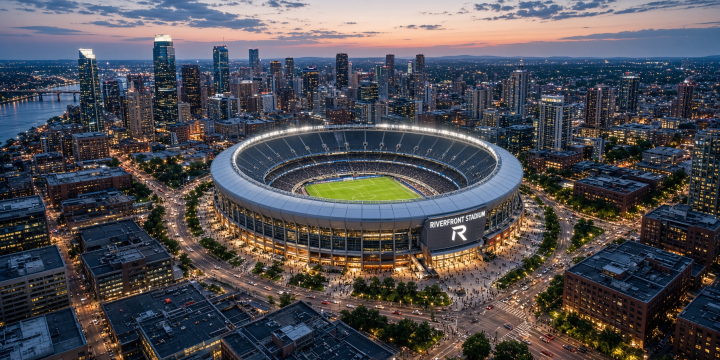
Some urban centers attract major events each year, while others struggle to organize anything significant. The difference is never coincidental. It results from conscious efforts, favorable geographic conditions, and cultural developments. Learning more about the process of hosting shows how urban facilities can be turned into economic powerhouses. Learn about the interaction of infrastructural, tourism, and entertainment industry factors behind successful hosting.
There are certain structural peculiarities that distinguish big host cities from small ones. Modern stadiums, a reliable transport system, and a sufficient number of hotels are required for the successful organization of an event. Urban centers like London, Los Angeles, or Tokyo have been developing these components for decades. Building such infrastructure is not possible within a few months. It requires a lot of money and time.
Apart from stadiums and transportation networks, hosting cities need to have entertainment and recreation opportunities for tourists. Tourists participating in major tournaments spend additional money on visiting the nearest entertainment venues. Adult visitors can use the betting casino (Turkish: bahis casino) venues located next to their hotels. Additional income from leisure activities of tourists adds value to the direct income from ticket and accommodation bookings.
Hosting of recognizable tournaments improves the global image of a city among international broadcasters and tourists. Special websites and mobile login (Turkish: MelBet giris) provide information on sports events to fans living overseas. It helps to extend the influence of the tournaments to regions where there are no spectators. Now, broadcasting rights and mobile application audience are crucial in estimating the success of event organizing.
Originally published by NotJustOk.