
“‘They Took My Sons’: The Journey of Aminata Yameogo From Massacre in Burkina Faso to Exile in Ivory Coast”
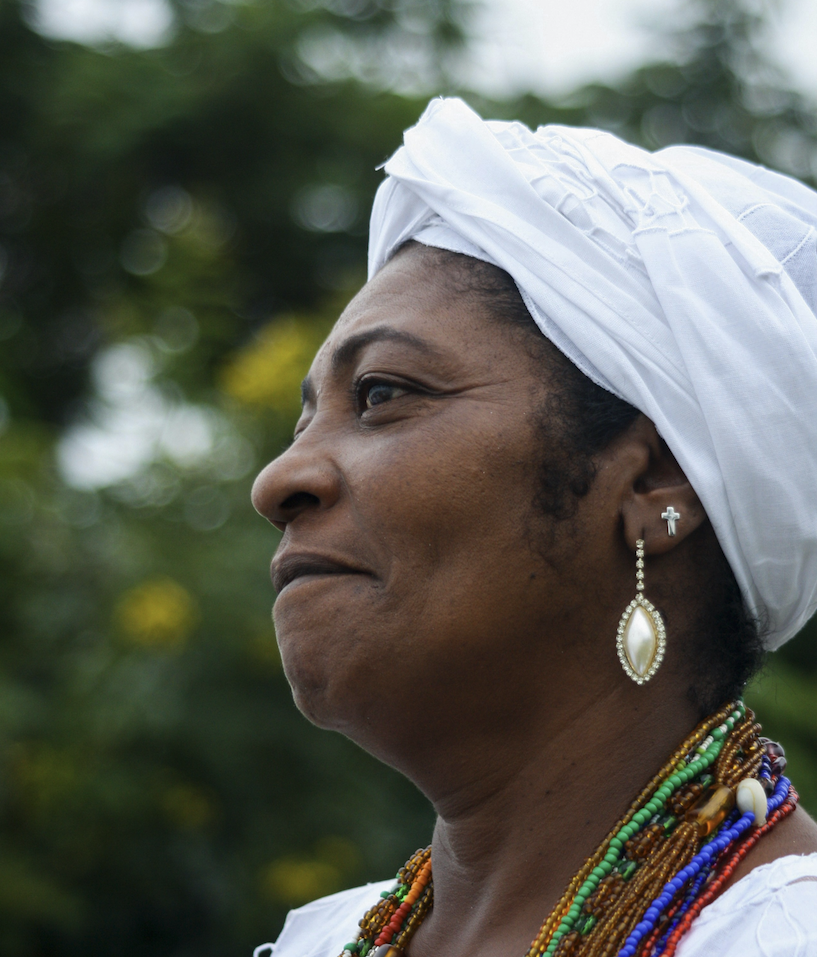
Sitting in a darkened shelter at a refugee camp in Ivory Coast, Aminata Yameogo, 57, lives each day with the memory of the morning her four sons were slaughtered in Burkina Faso and her life was torn apart by Islamist militants. Her voice is soft when she speaks, but every sentence seems to carry the weight of a life uprooted, of a home that no longer exists except in fragments of memory. Around her, other displaced families move quietly, as if the camp itself has learned to lower its volume out of respect for the grief it contains.
Aminata had spent most of her life in a small village in central Burkina Faso, where the rhythm of the days followed the seasons: planting, harvest, market days, family celebrations. Her sons were young men, between their mid-twenties and early thirties, helping in the fields and dreaming, like so many others, of better times ahead. The growing presence of armed groups in the region had changed the mood of village life long before the day the gunmen arrived. Rumours spread of attacks on nearby communities, of men killed on the road, of markets shut down by fear. Still, many villagers stayed, hoping the violence would pass them by.
That hope was shattered when militants swept into the village. They came in the way they had come to so many other places in Burkina Faso: heavily armed, riding motorbikes or pickup trucks, shouting orders, firing shots into the air to send people scrambling. For Aminata, the horror is frozen around a single, unbearable fact – her four sons were taken and killed. She was not there when the fighters first seized them; later, neighbours told her how the men were dragged away, accused of being collaborators or simply targeted as a display of power. When she returned, she found not the ordinary chaos of a frightened village but a scene that would define the rest of her life.
The militants, she says, cut the throats of her boys, one after another. By the time she arrived, three of them were already dead. The last, her youngest, was still alive, surrounded by armed men outside the family home. In that moment, something in her refused to accept that she could only watch. She grabbed a knife and threw herself at the killers, a mother’s desperate attempt to reclaim even a fragment of control over a situation designed to strip her of it. The fighters quickly overpowered her. They beat her severely, leaving deep wounds to her head, shoulder and throat, and dumped her in the bush, assuming, perhaps, that she too would die there.
But she did not. Villagers found her and helped her move, step by painful step, away from the ruins of her old life. In the chaos of the attack, her daughter had become separated from her, disappearing into the confusion of gunfire and fleeing crowds. Days turned into weeks, and there was still no trace of the girl. The loss of her sons was already an open wound; the uncertainty around her daughter’s fate became a constant, gnawing ache. There was no body to mourn, no grave to visit, only an absence that followed Aminata wherever she went.
Staying in the village was no longer possible. Jihadist groups had turned large parts of rural Burkina Faso into zones of fear, targeting civilians, local leaders and anyone suspected of co-operating with the state. The sounds of gunfire, the memory of her sons’ bodies and the knowledge that the fighters could return at any time left Aminata with only one choice: to flee. Along with thousands of others from conflict-stricken communities, she began the trek southward, heading for the border and the fragile promise of safety beyond it.
The journey to Ivory Coast was long and exhausting, taken in stages, mostly on foot or in crowded vehicles when she could find them. Each checkpoint, each stretch of empty road felt like a gamble. Some people turned back, too afraid to continue; others pressed on, carrying whatever they could pack into sacks and bags – clothing, cooking pots, a few photographs, the last physical traces of the homes they had left behind. For Aminata, every kilometre placed more distance between her and the graves of her sons, but it also increased the fear that she might never again see the land where they were born.
In Ivory Coast, she reached a refugee camp that had become a reluctant gathering place for survivors from across Burkina Faso’s most affected regions. She now sleeps in a dim, crowded room, sharing space with people whose stories echo her own: massacres at dawn, homes burned at night, brothers and husbands who never came back from the fields. Aid workers move through the camp, handing out food rations, blankets and medical supplies, but the needs always seem to outstrip the resources. Some days there is enough to eat; other days, meals are smaller, stretched thin among families that keep growing as new arrivals cross the border.
Aminata’s body still bears the marks of the beating she endured. The injuries to her head and shoulder make heavy lifting difficult; the scar at her throat tightens when she swallows. She moves slowly, careful with each step, and often sits for long periods outside her shelter, watching the flow of camp life. Yet it is the injuries no one can see that shape her days most profoundly. At night, she wakes to nightmares in which the attack is happening again: the shouts, the sudden violence, the sight of her sons lying motionless on the ground. Even in daylight, certain sounds – a raised voice, the crack of wood, a motorbike revving nearby – can send her back to that morning.
Around her, the conflict that drove her from home continues to grind on. Burkina Faso has become one of the epicentres of a wider Islamist insurgency in the Sahel, with armed groups linked to al-Qaeda and the Islamic State killing thousands and displacing more than two million people in just over a decade. Villages have been emptied, markets abandoned, schools closed or attacked. Entire communities that once survived on farming and local trade now find themselves dependent on humanitarian assistance in foreign lands or in camps inside their own country. The violence is not random; it follows patterns of control, punishment and fear meant to break local resistance and reshape the region’s social fabric.
In the camp, life moves in slow circles. People queue for water, visit the clinic, attend meetings with aid agencies or local authorities who explain registration procedures and rights. Children run between the shelters, laughing in a way that seems almost defiant given all they have lost. Some adults try to recreate small routines from their former lives: a shared meal cooked over an open fire, a prayer group under a makeshift awning, a small stall selling soap or vegetables. These gestures of normalcy help anchor them, but they cannot erase the uncertainty that hangs over everyone’s future.
For Aminata, thoughts of the future are inseparable from thoughts of her missing daughter. She watches every new group of arrivals carefully, searching the faces for some sign, some resemblance, some trace that might mean her child has survived and found her way to the same place. Each time someone calls out a familiar name, her heart jumps, even when she knows, rationally, that the odds are against such a reunion. Hope, for her, is both a lifeline and a weight: she cannot let it go, yet carrying it through so much grief is exhausting.
Going home, for now, is not an option. Large swathes of rural Burkina Faso remain under the sway or threat of armed groups, and those who have tried to return often report new attacks or fresh demands for allegiance from different factions. The state’s presence is uneven and fragile; where security forces do regain control, they sometimes arrive too late for families who have already lost everything. Aminata has heard stories of villages like hers being resettled, only to be targeted again. She does not want to lay fresh roots in soil that may be soaked in fear at any moment.
And so she waits in Ivory Coast, suspended between a past she cannot return to and a future she cannot yet imagine. Her story is unique in its details – four sons, a missing daughter, a knife grabbed in a moment of raw courage – but it is also one thread in a much larger tapestry of displacement and loss stretching across the Sahel. In camp conversations, people often slip from their own memories into shared ones: a school that used to hum with students before it was attacked, a market that was once famous for its cattle, a road that was safe to travel before checkpoints became deadly.
If there is a measure of resilience in Aminata’s life now, it lies in her refusal to let her sons’ memory be reduced to numbers in a tally of the dead. She speaks their names, remembers their habits, the way they laughed, the plans they had begun to sketch for their futures. She asks that people understand not only that “civilians were killed” but that sons were taken from mothers, brothers from sisters, fathers from children. Behind each statistic is a family that, like hers, has been broken and scattered.
In the end, Aminata’s story is not only about violence; it is about the quiet, stubborn act of surviving in its aftermath. Each day she wakes up in that dim room, steps outside and takes her place among the other displaced, she is asserting a simple truth: that what was done to her family did not erase her, and that as long as she lives, she will bear witness. Her life in exile may be uncertain, her grief unending, but her presence in that camp is a testament to the countless people across the region who continue to endure, to remember and to hope, even when everything that once felt solid has been swept away.