
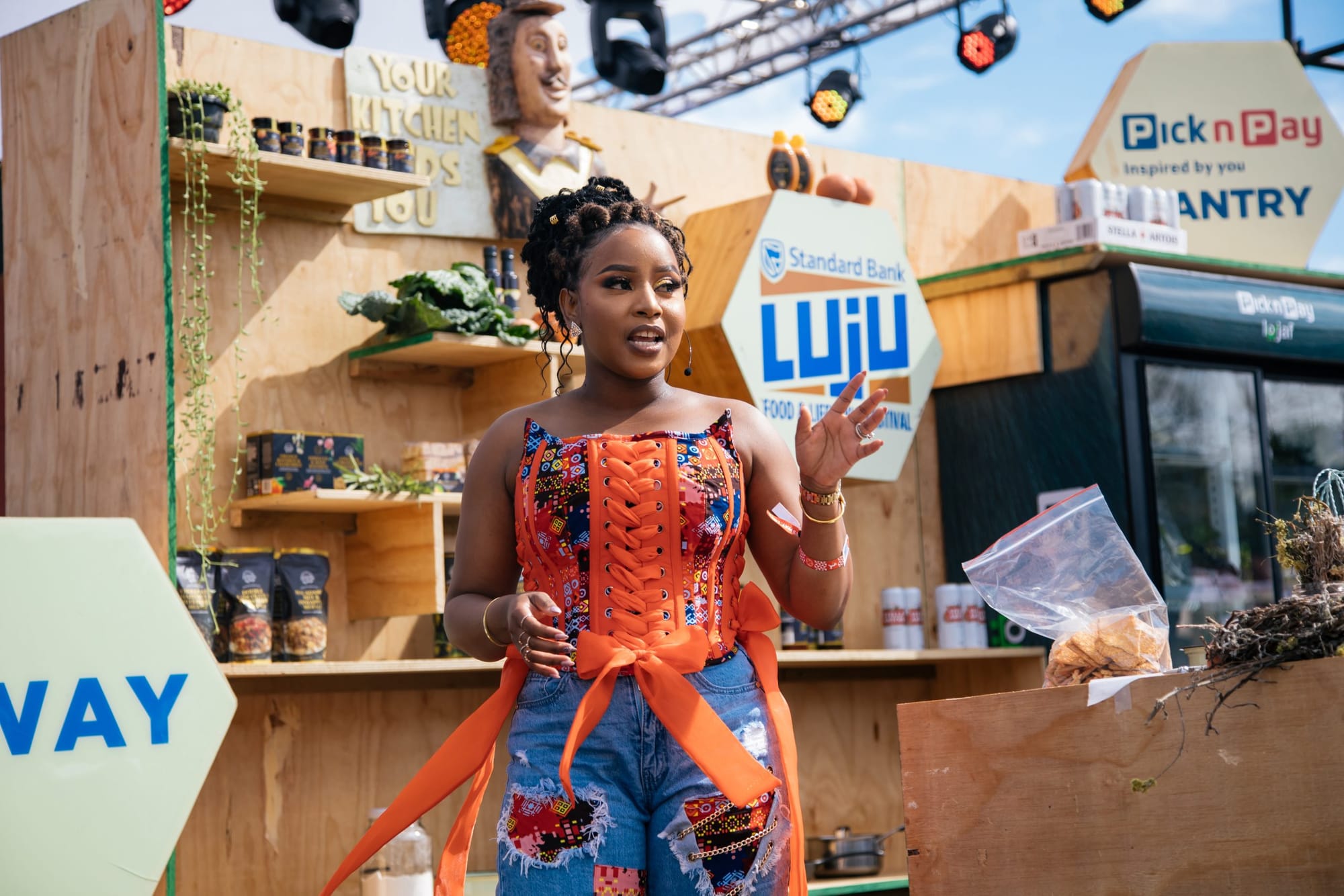
The Standard Bank Luju Food & Lifestyle Festival has quietly become one of Southern Africa’s most distinctive weekends for people who care about how culture tastes, looks and sounds. Held on the lush House On Fire farm in Eswatini, the two‑day event mixes culinary exploration, high‑end fashion, Afrocentric music and family‑friendly experiences under the banner “A Feast of the Senses.” It is less a traditional music festival and more a carefully curated lifestyle village where the diaspora’s tastes meet local traditions.
Luju’s food offering is a major draw. Chefs, food trucks and pop‑ups present everything from reimagined Swati dishes and pan‑African street food to experimental cocktails and desserts, often using local ingredients to tell new stories about the region’s culinary heritage. Cooking demos, tasting sessions and chef collaborations turn the festival into a kind of open‑air food lab, where festivalgoers can move from a live set to a plate that reflects the same fusion energy. You can explore the festival’s concept and past editions here.
Fashion is given just as much attention. Luju includes a Best Dressed competition, fashion showcases and a strong emphasis on Afro‑luxury styling, encouraging guests to show up in looks that blend traditional fabrics, contemporary silhouettes and bold accessories. The result is a roaming runway: families, couples and friend groups turning the farm into a living lookbook for Southern African and diasporic style.
@its.f.thando My Luju Experience 💙🍯 Well, partially. I’m such a ‘live in the moment’ person so this is the only content I got to capture honestly. Overall Luju was a 10/10 minus the extremely cold nights😭. #eatswaylove #lujufestival2025 #creatorinsights #lifestyleblogger #eswatinitiktok🇸🇿
♬ Jey charles Ungabayeki - Jey Charles
On the music side, the festival leans into Afrocentric lineups that cut across genres. Previous editions have featured everything from jazz and Afro‑soul to house, amapiano and heritage bands, with artists drawn from Eswatini, South Africa, the wider region and sometimes further afield. Stages are designed for listening and dancing in equal measure, emphasizing live instrumentation and DJ sets that can soundtrack both sunset picnics and late‑night dances under the stars.
For South Africans and visitors from across the diaspora, Luju offers something different from big‑city festivals. It’s intimate but ambitious, rooted in Eswatini’s landscape yet plugged into global conversations about food, fashion and music. In a year when people are looking for experiences that feel both luxurious and grounded, the festival has positioned itself as a place where you can taste the region’s future while standing on its soil.