
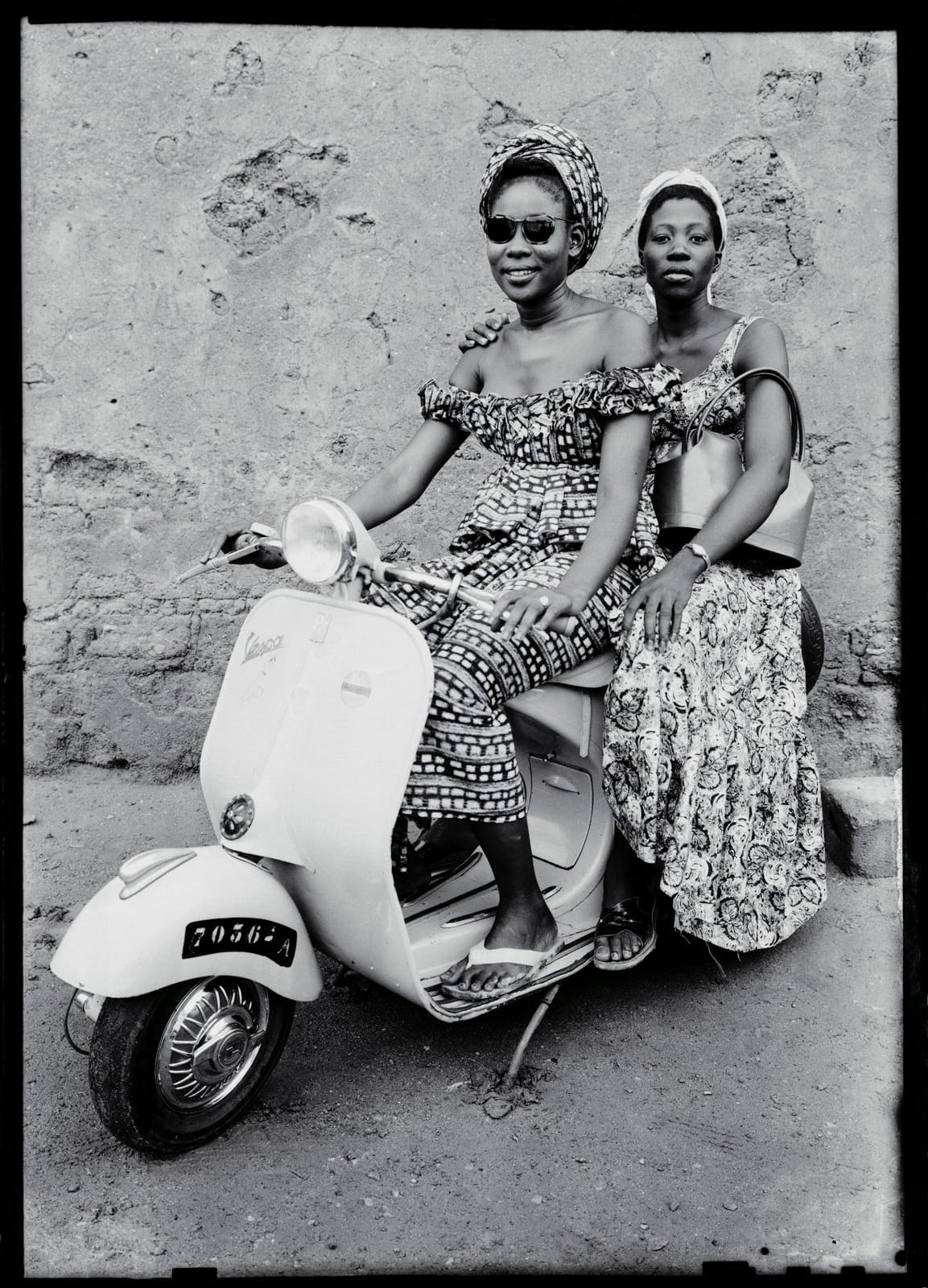
Decades after he first opened his studio in Bamako, Malian photographer Seydou Keïta is still one of the sharpest lenses through which we understand African modernity, style and self‑presentation. Working primarily from the late 1940s to the early 1960s, he turned a small courtyard studio into a stage where Bamako’s residents could perform how they wanted to be seen—elegant, modern, tender, aspirational—at a time when most images of Africans were taken by outsiders. Today, his work sits in major museums and keeps inspiring fashion, photography and film across the continent and the diaspora.
Keïta’s portraits are instantly recognisable: sitters posed against patterned backdrops, dressed in sharp suits, wax‑print dresses, sunglasses, scooters and radios as props. He encouraged clients to choose their own clothes and gestures, then fine‑tuned composition and light so that every detail—from fabric to posture—communicated pride and personality. That mix of intimacy and theatricality is a big part of why contemporary curators still organise major shows around his archives, such as the exhibition “Seydou Keïta: Bamako Portraits,” which brought together dozens of his gelatin silver prints to underline how they quietly rewrote the visual narrative of 20th‑century West Africa. You can read more about that exhibition concept and selection here.
Beyond aesthetics, his work is political in a subtle way. Shooting on the cusp of Malian independence, Keïta’s portraits capture a generation stepping into urban life, experimenting with global and local identities, and refusing the anthropological gaze that had dominated images of Africans. Instead of ethnographic distance, you get eye contact, softness and swagger—a visual archive of Black self‑fashioning long before “Afropolitan” became a buzzword. That’s why critics often describe his images as “revelatory”: they show the ordinary glamour of Bamako life that colonial photography either ignored or distorted.
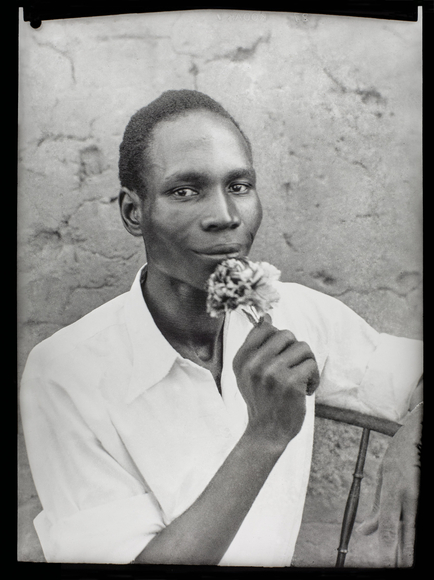
In 2026, his influence is still everywhere. Fashion photographers borrow his patterned backdrops and choreographed group poses; stylists and designers moodboard his sitters’ tailoring and textile clashes; contemporary West African portraitists openly cite him as a blueprint for studio work that feels both classic and defiantly local. Recent essays and retrospectives emphasise how his archive serves as both art history and social history—proof that African cities have long been sites of experimentation, style and self‑definition on their own terms. For a deeper dive into how scholars and curators read his images today, you can explore this Aperture feature on his “revelatory portraits of Malian life” here.