
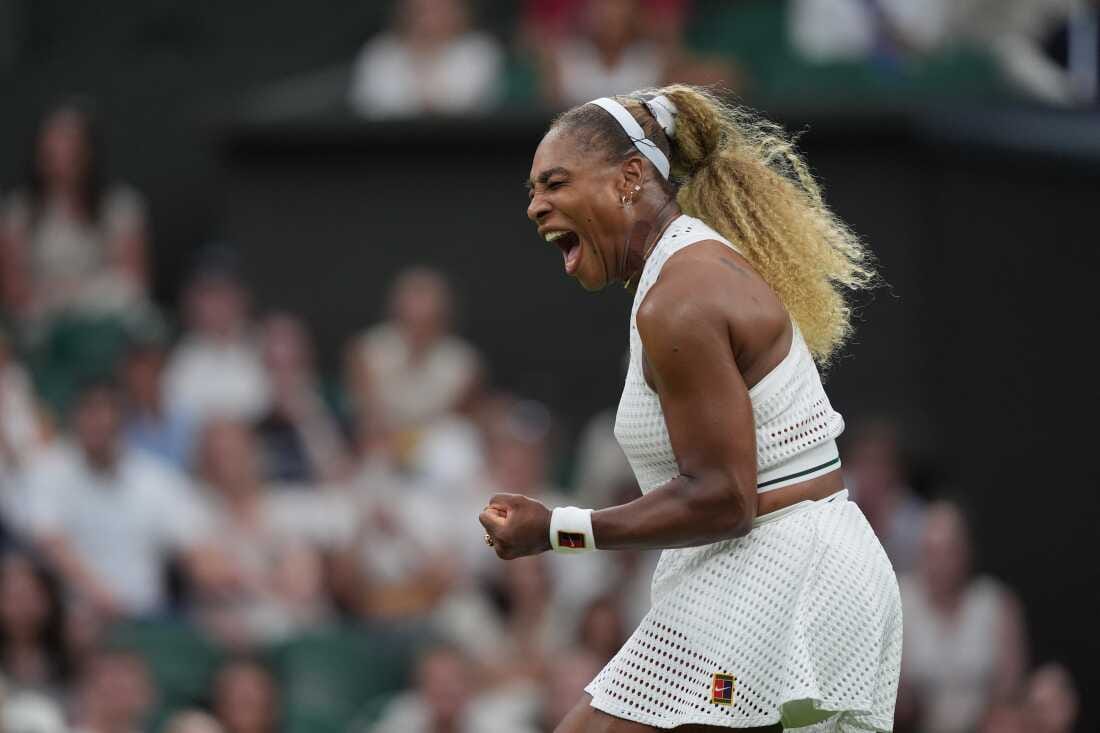
Serena Williams’ return to competitive singles at Wimbledon in 2026 was never really about whether she could win another major. It was about stepping back onto Centre Court after nearly four years away, playing in front of her daughters, and reminding the tennis world why her presence alone shifts the atmosphere of a tournament. At 44, she pushed 20-year-old Australian Maya Joint to a tight three-set match before ultimately losing 6–3, 6–7, 6–3, but the night felt like more than a first-round result.
The build-up to her return had been surprisingly low-key for a player of her stature. After announcing earlier in the month that she would be coming back, she took a wild card into Wimbledon and played a handful of doubles events in London, including at Queen’s Club, to test her game. When she finally walked onto Centre Court for her first singles match since the 2022 US Open, the crowd reacted as if a piece of Wimbledon history had returned to the building. Even though she had not been a consistent contender for years, the mix of nostalgia, respect, and curiosity made the moment feel historic. here
On court, Williams showed flashes of the player who won seven Wimbledon singles titles and 23 Grand Slam singles crowns. She served powerfully, moved better than many expected for a 44-year-old returning from a long layoff, and turned several points into classic Serena moments with aggressive returns and heavy groundstrokes. The third set was competitive, and at times it looked as if she might pull off the kind of comeback that has defined so much of her career. In the end, Joint’s youth and stamina won out, but the match was far from a rout, and Williams walked off having proven she could still hang with top-level players.
@wimbledon Serena Williams back on Centre Court in 2026. #Wimbledon
♬ original sound - wimbledon
After the match, it emerged that Williams had tweaked her right knee toward the end of the first set, an injury that added another layer of uncertainty to her tournament. Her agent confirmed the issue and said Williams was doing everything possible to be ready for her scheduled doubles event with her sister Venus, the pairing that had been one of the most talked-about storylines of the week. The injury did not overshadow the broader meaning of her return, but it did highlight the physical reality of coming back to elite sport in her mid-40s, even for someone with her conditioning and history. here
What made this comeback resonate beyond tennis was the symbolism. Williams has repeatedly said she was motivated by playing in front of her daughters, Olympia and Adira, and by wanting to enjoy the sport on her own terms rather than chasing more records. For a generation of players and fans who grew up watching her dominate, seeing her step back onto Centre Court as a mother and a veteran champion felt like a closing chapter that refused to fully close. Even without a win, her return reminded everyone that her story is not just about trophies, but about changing what it means to be a Black woman in tennis and in sport.