
Papa’s Land: Sonny Okosun’s prophetic cry and South Africa’s painful betrayal of African solidarity
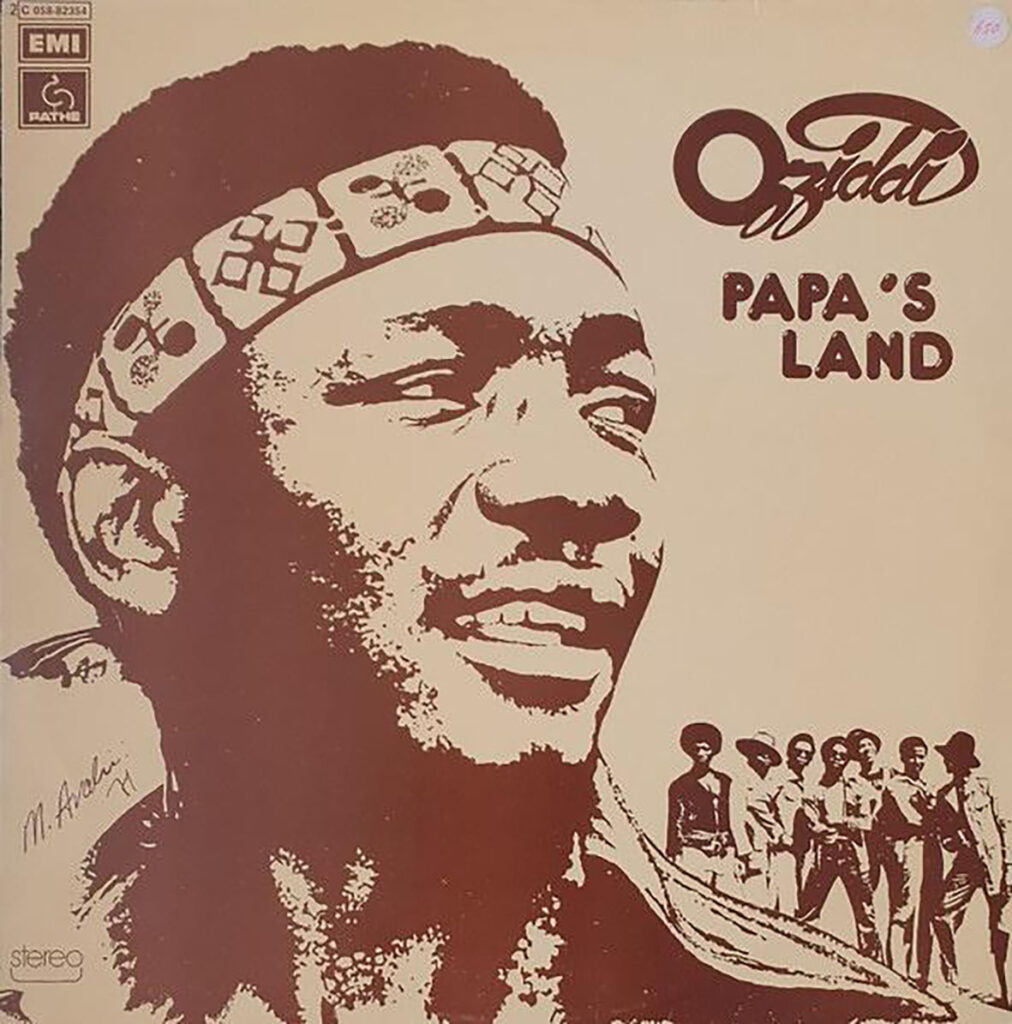
In 1978, a Nigerian guitarist named Sonny Okosun pressed a record that carried the weight of a continent. Papa's Land was not background music for a party. It was a direct plea to the world to end apartheid in South Africa, recorded at a time when Black South Africans were living under one of the most brutal systems of racial oppression in modern history. Okosun poured his politics into every groove, making the album a piece of Pan-African testimony as much as a musical work.
Okosun believed, as many African artists and thinkers of his generation believed, that the liberation of South Africa was the liberation of all Africans. His ségún-influenced sound carried that message far beyond Nigeria's borders, reaching audiences who understood that the fight against apartheid was not someone else's struggle. Papa's Land stood as proof that art could hold a political argument and hold it beautifully.
What makes the album feel almost painful to revisit today is how much the reality of post-apartheid South Africa has complicated that dream. The solidarity Okosun sang about, the idea of African brotherhood as a living, breathing promise, has been tested hard by xenophobic violence against African migrants inside South Africa itself. The country that the continent once bled for has, in recent decades, turned on the very neighbours whose people marched, prayed, and sang for its freedom.
Okosun did not live to see all of that unfold, but his record did. Papa's Land survives as both a monument to what African unity could mean and a quiet, uncomfortable question about what it actually became.
Originally published by BusinessDay.