
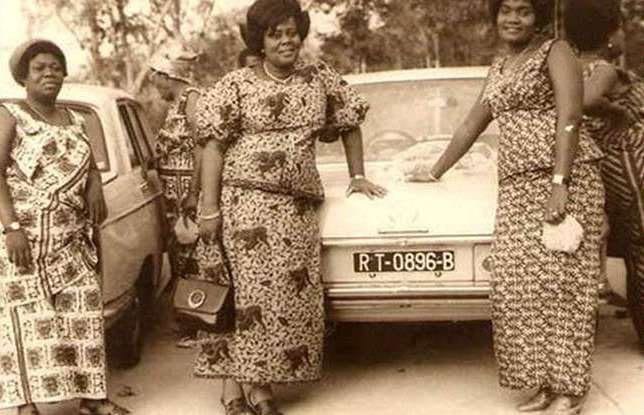
The Nana Benz were a group of Togolese women traders who turned wax print into real power across West and Central Africa from the mid‑20th century onwards. Based around Lomé’s Grand Marché, they built near‑monopolies on premium Dutch and European wax—especially Vlisco—by buying in bulk, securing territorial rights and controlling how the most coveted patterns moved from Togo into markets in Ghana, Benin, Nigeria and beyond. A detailed breakdown of their rise and influence sits in this long‑read on West Africa’s wax‑print economy here.
They weren’t just moving fabric; they were shaping taste. Working closely with manufacturers, the Nana Benz helped influence colour palettes and motifs, then gave prints local names that turned them into walking proverbs—referencing love, politics, rivalry or respect in ways only insiders fully understood. Because they controlled access to many of these designs, they could decide what was hot, what stayed rare and how trends travelled through the region.
Their success was visible. The nickname “Nana Benz” came from the Mercedes‑Benz cars they drove, a rolling symbol of how far informal trade could go in a small coastal country like Togo. Profits went into property, education for their children and quiet political influence, as some of them funded parties and lobbied for customs and currency policies that favoured their import‑heavy business.
That dominance started to crack with economic crises, structural adjustment and the flood of cheaper Asian‑made “African prints,” which undercut the Dutch wax they specialised in and opened space for a new generation of traders sourcing from China. Even so, their legacy is still visible in today’s Ankara market: women at the centre of the supply chain, prints carrying layered meanings, and the understanding that whoever controls cloth flow can quietly shape style, status and the stories people wear on their bodies. For a wider look at how these prints made the “Mama/Nana Benzes” rich—and what they meant culturally—you can read this feature here.