
MEGALYN ECHIKUNWOKE: TRIPLE THREAT
"She grew up on a Native American reservation in Arizona. Her father is of Nigerian descent, her mother of European heritage. She started acting at thirteen. She sings, dances, and acts—Hollywood's so-called "triple threat"—and she has spent two decades navigating an industry that"
She grew up on a Native American reservation in Arizona. Her father is of Nigerian descent, her mother of European heritage. She started acting at thirteen. She sings, dances, and acts—Hollywood's so-called "triple threat"—and she has spent two decades navigating an industry that has only recently learned to value the complexity she has always carried. Megalyn Echikunwoke does not simplify herself for anyone.
"At the end of the day, you have to keep getting better," she says. It is less a motto than a method.
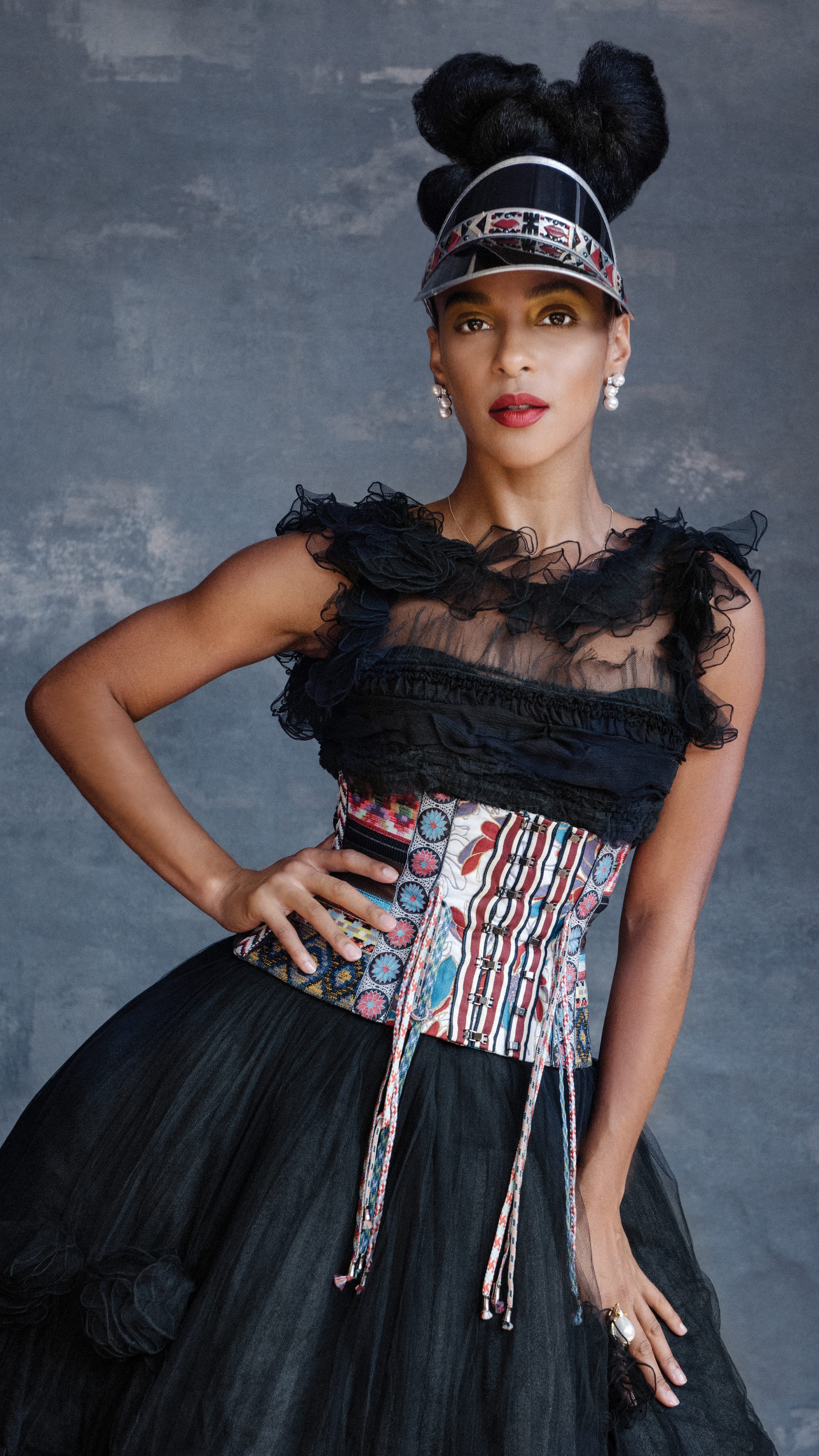
The Reservation
"I feel very lucky that I got to have that experience of growing up in a completely remote place with a fascinating, rich culture that wasn't my own." The reservation gave her something that fame cannot manufacture: early fluency in otherness. In learning about people who were different from her, she began to understand the dimensions of her own story.
When she arrived in New York at twelve—scholarship in hand—she dove into theatre. By the time she was discovered at thirteen or fourteen, she was already someone who performed because she had to, not because she was told to.
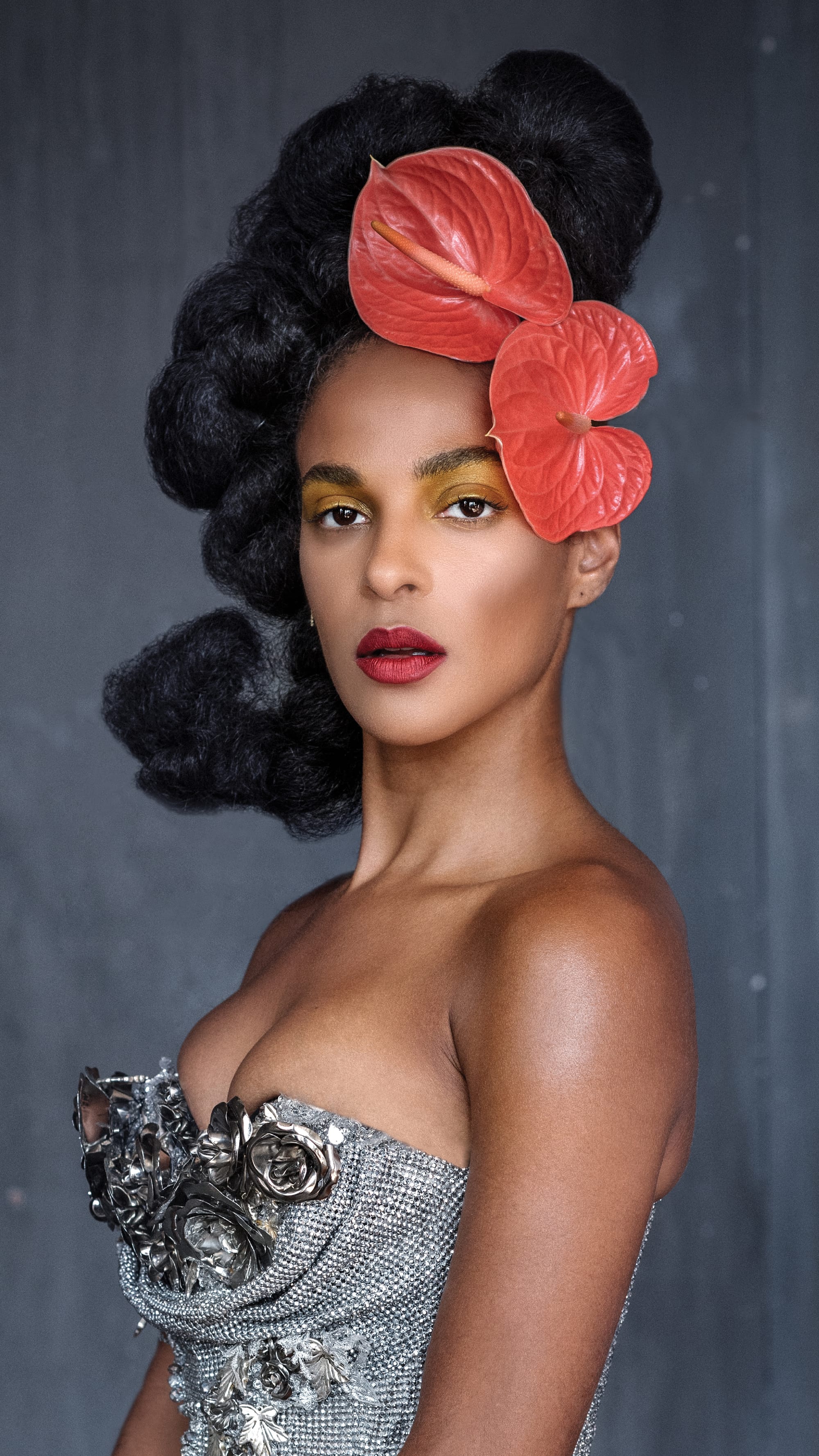
Triple Threat, Real Stakes
From 24 to House of Lies to Night School alongside Kevin Hart and Tiffany Haddish, Megalyn has worked consistently in an industry where "consistent" is itself a form of resistance. "It has been truly tough, and it still is," she says plainly. "The business is tough for anybody—and then you layer on the lack of diversity and the racial issues. Yes, it's really tough."
"I started so young, I didn't even have a chance to think about all that stuff. Looking back, I had no idea of what I was getting myself into."
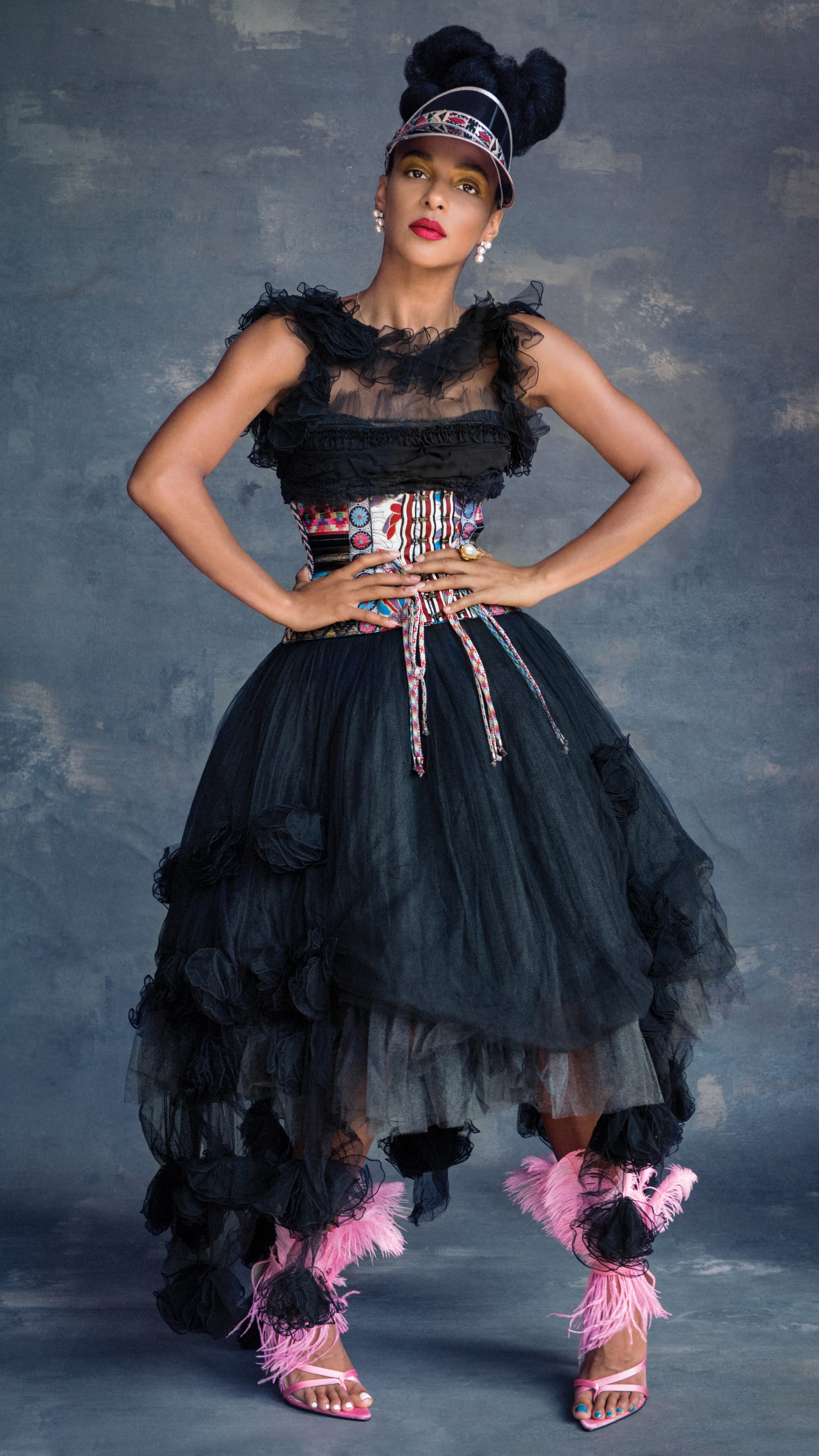
Step Sisters and the Race Question
In Step Sisters, she played a character directly at the crosshairs of conversations about cultural appropriation and appreciation—a role that felt, for her, written to her specific experience. "I come from a lot of different worlds," she says. "I agree with the character when she says: race—you don't own it, and it's perfectly fine to celebrate another culture, as long as you're not trying to pass it off as your own."
She says it without defensiveness. It is a position she has arrived at through lived complexity, not theory.
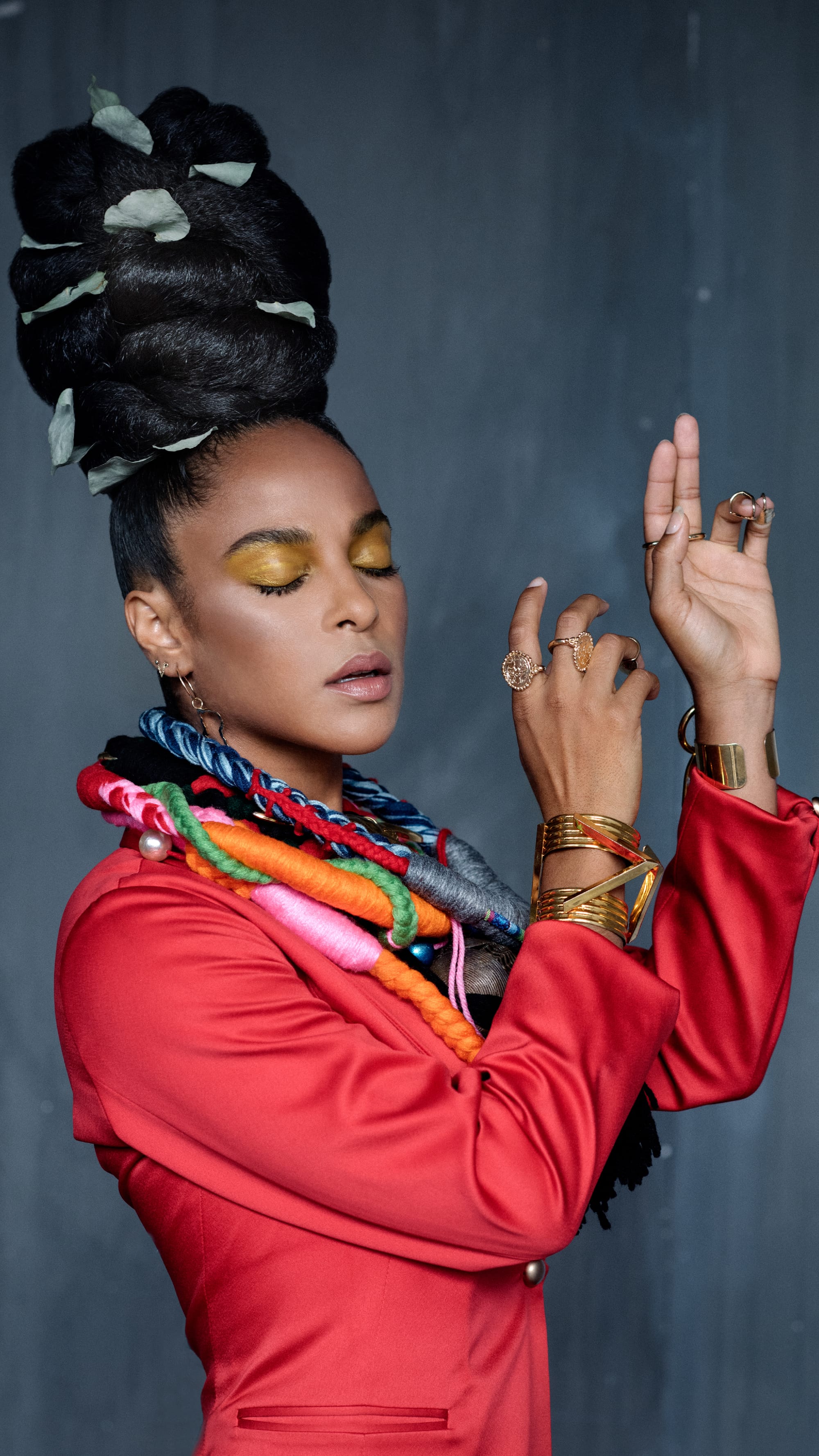
Nollywood and Nigeria
She would love to do a Nollywood musical. She is serious. "Nigerian music is so beautiful. There is so much talent, and I am really excited by everything happening in the film industry there." Her father's Nigerian heritage is a thread she has not yet fully followed—but she is following it. Slowly, deliberately, in the way she does most things.
"I want my work going forward to have a broad range," she says, "because then I get to use all of my talents." She is not finished. Not even close.
Photography by Delphine Diallo. Styling by Harrison T. Crite.