MAXWELL: AFRICANS IN RHYTHM
"He received a keyboard at 17 and never looked back. Maxwell—the Brooklyn-born singer-songwriter of Caribbean descent who has been credited with the rebirth of soul in the late 1990s alongside Erykah Badu, D'Angelo, and Bilal—moves through the world with the unhurried confidence of a"
He received a keyboard at 17 and never looked back. Maxwell—the Brooklyn-born singer-songwriter of Caribbean descent who has been credited with the rebirth of soul in the late 1990s alongside Erykah Badu, D'Angelo, and Bilal—moves through the world with the unhurried confidence of a man who has learned to write from a place of truth. We met him in Harlem to talk about ladies, Africa, and the rhythm that connects everything.
The Albums, The Silence, The Time
"Music is my passion, a hobby, not a job," he says, unbothered by the mathematics of his discography. "People who follow me have high standards. They expect quality." Between albums, he has traveled—to Johannesburg, to Dubai, to London. He has sat with the world until it gave him something worth writing about.
"It took me 22 years for my first album, then it went pretty fast. I need to create something that touches people around the world." Even if they don't like the song, he says, they will feel it is real. That is the non-negotiable.
Africa as the Center
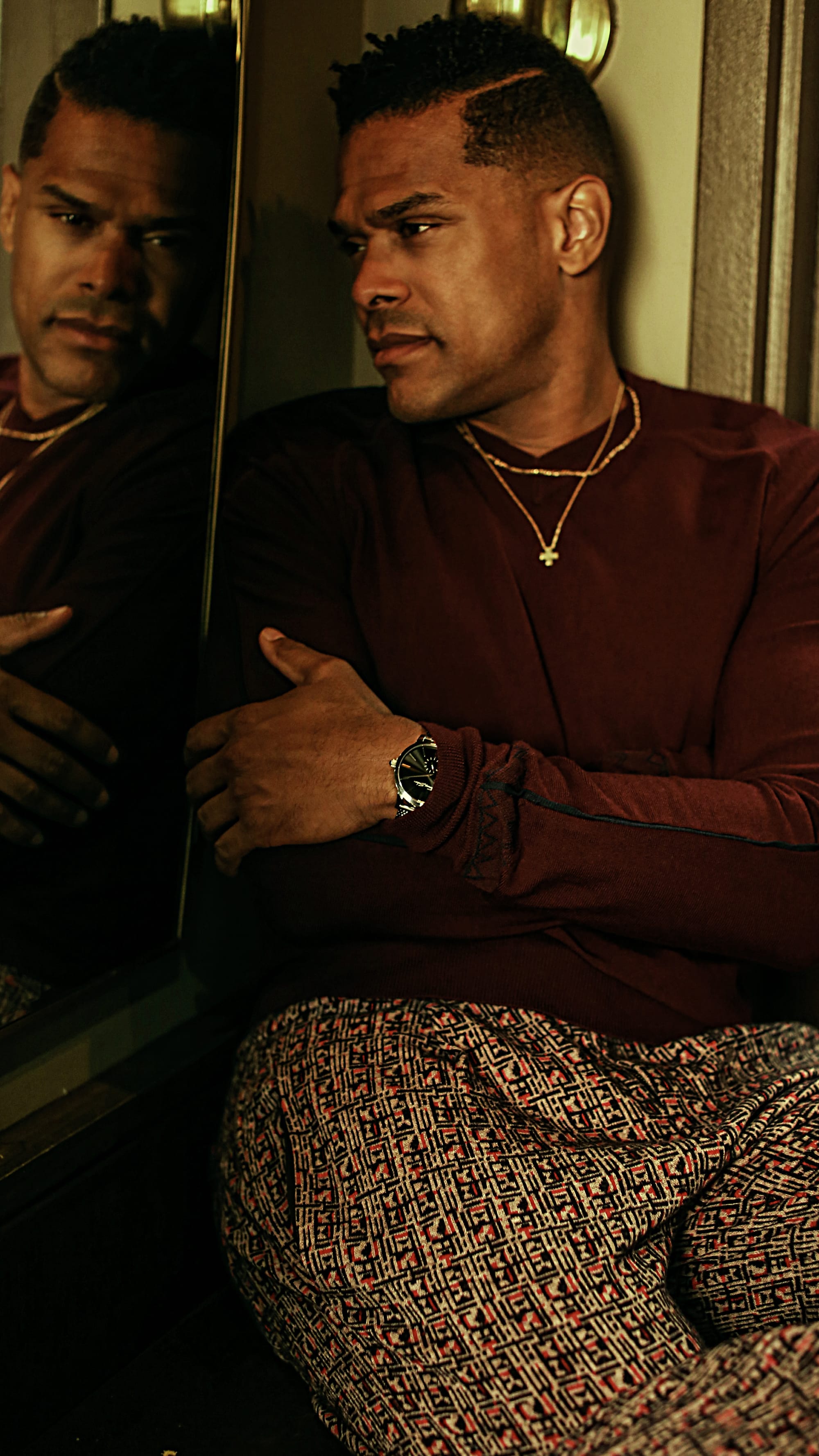
"Africa is the center of the universe. The most beautiful place I have been to." He has been eight or nine times. The landscape, the culture, the food, the music. "I was blown by the fact that Caribbean and Latino music are so connected to the African ones. It forms one big thing."
"Rhythm is in Africa! There is something unique about Africans. People of colour are so indispensable in art and fashion."
He name-checks Angelique Kidjo, Skepta, Wizkid, Youssou N'Dour. He talks about how Africans who moved to London—Omar, Misha Paris, Soul II Soul—reshaped R&B from the inside. "It comes in waves, but people are starting to see the substance of African and Afro-American music, fashion, art and literature."
Style as Respect
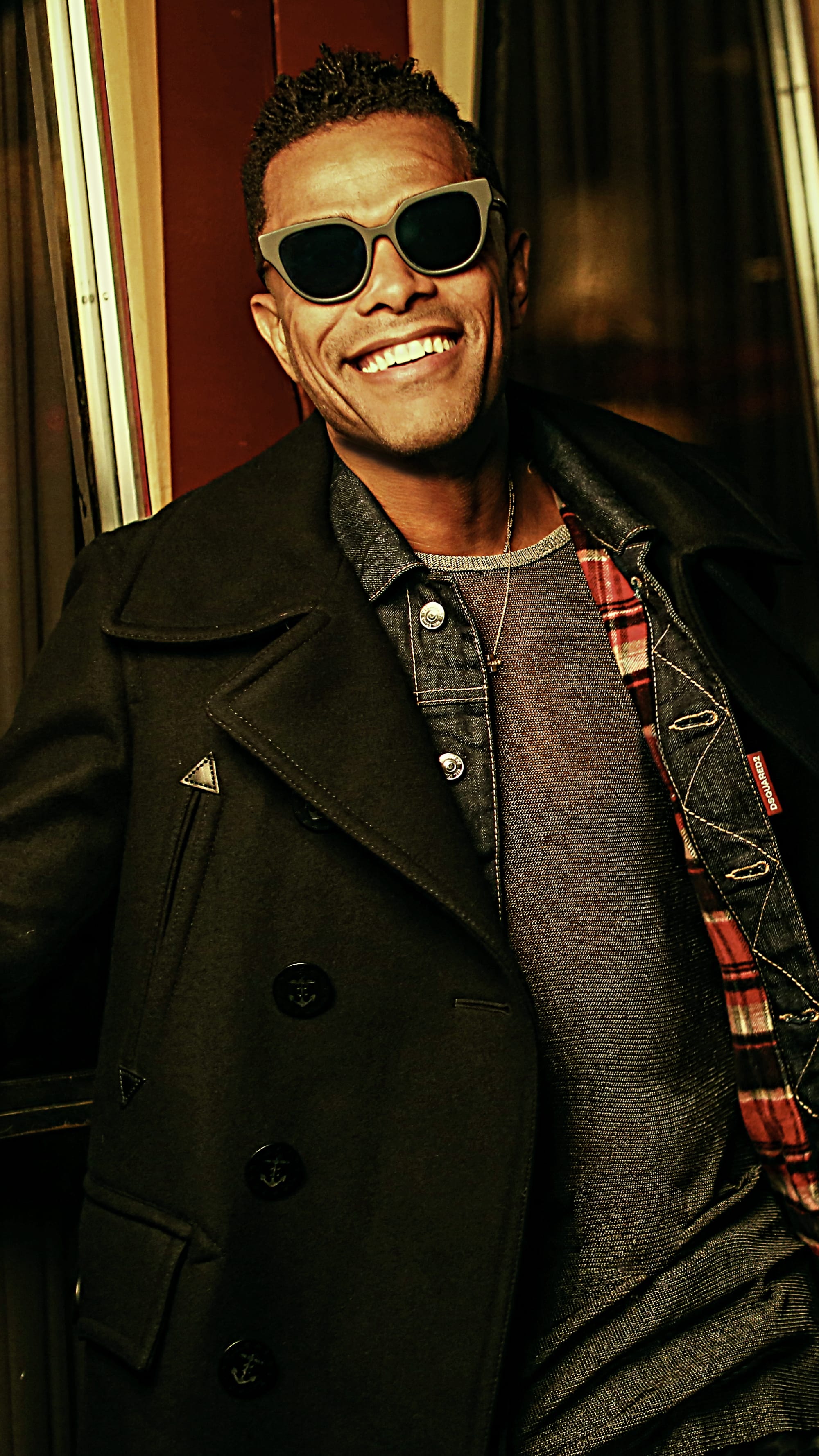
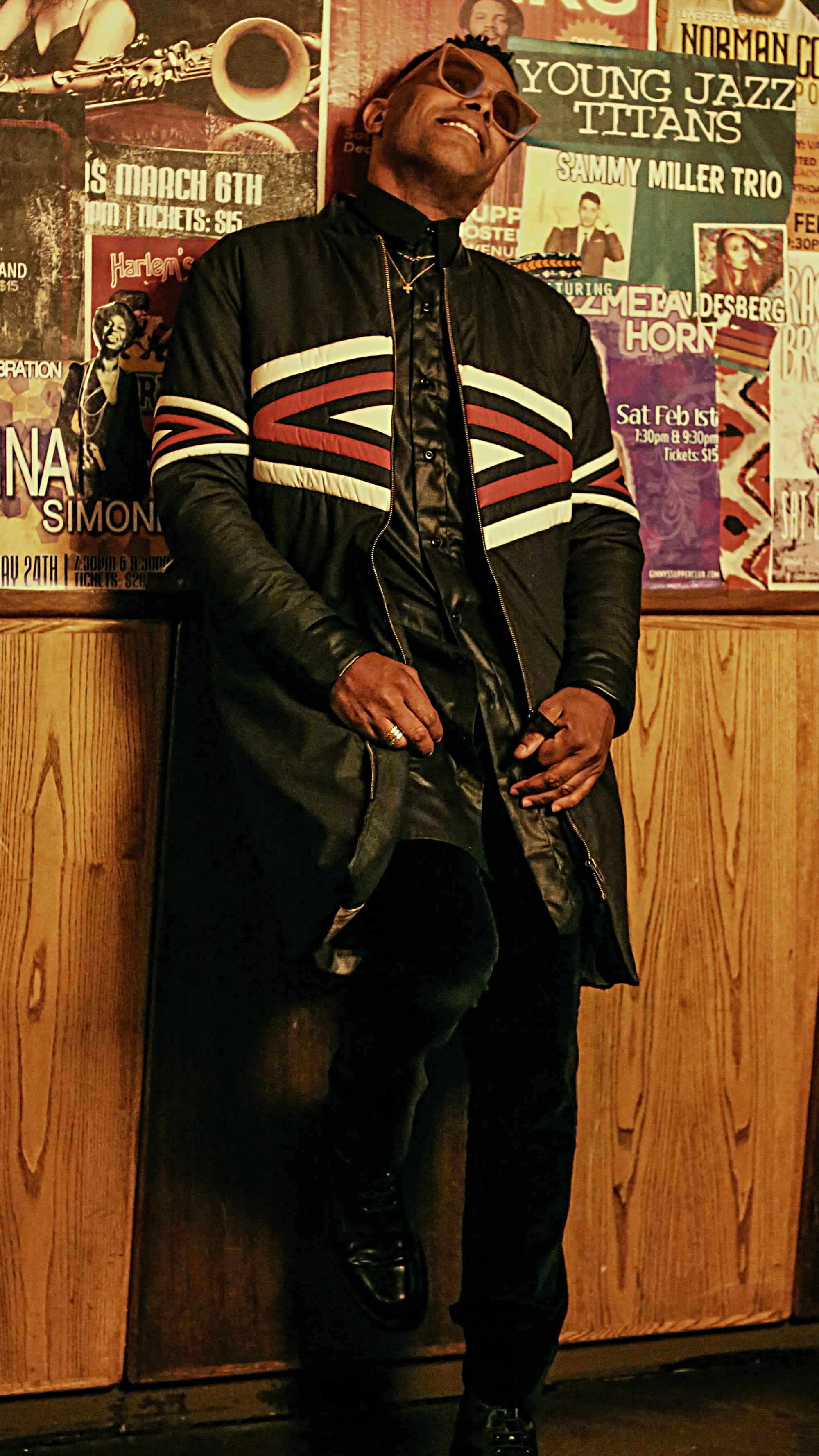
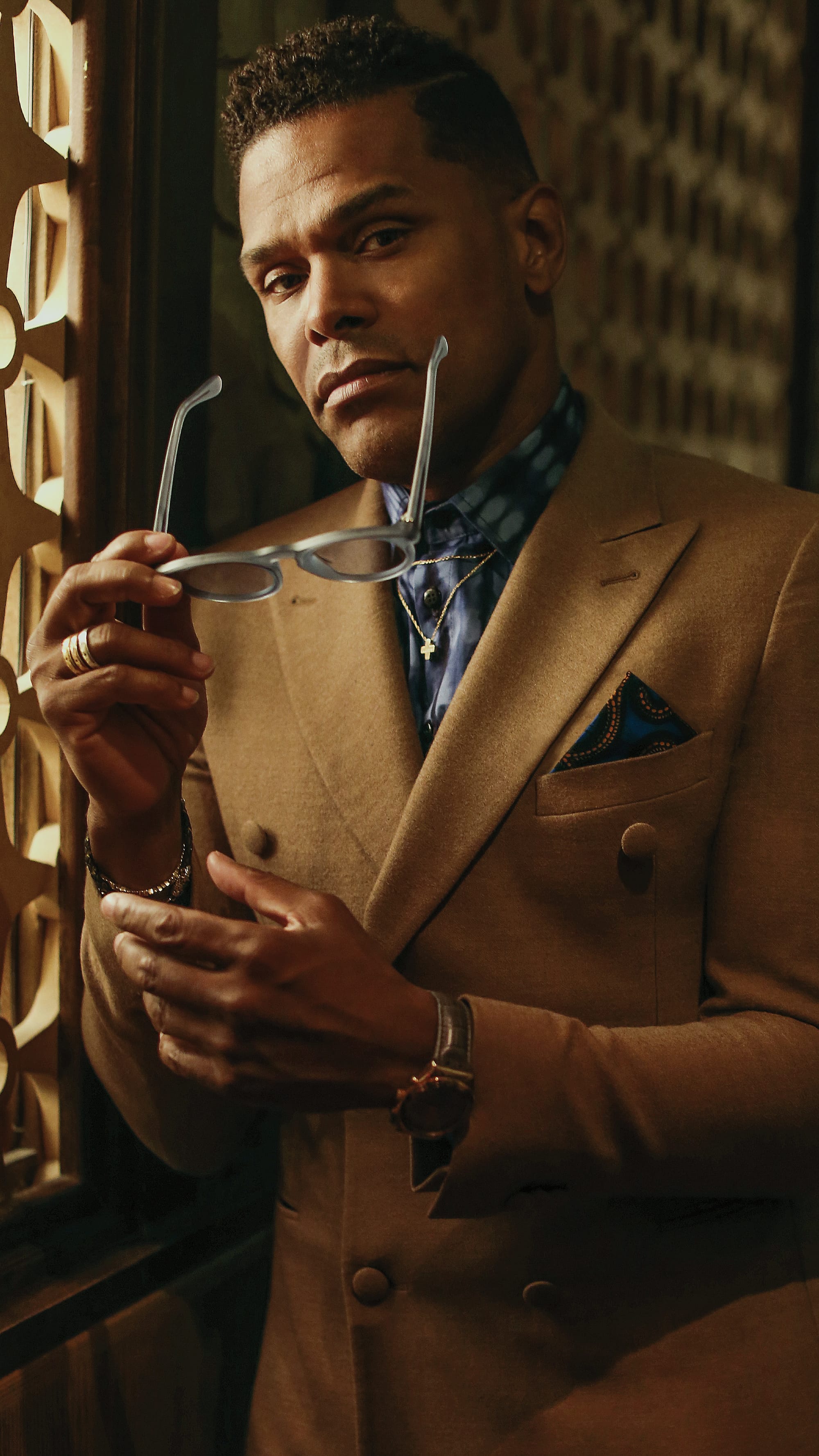
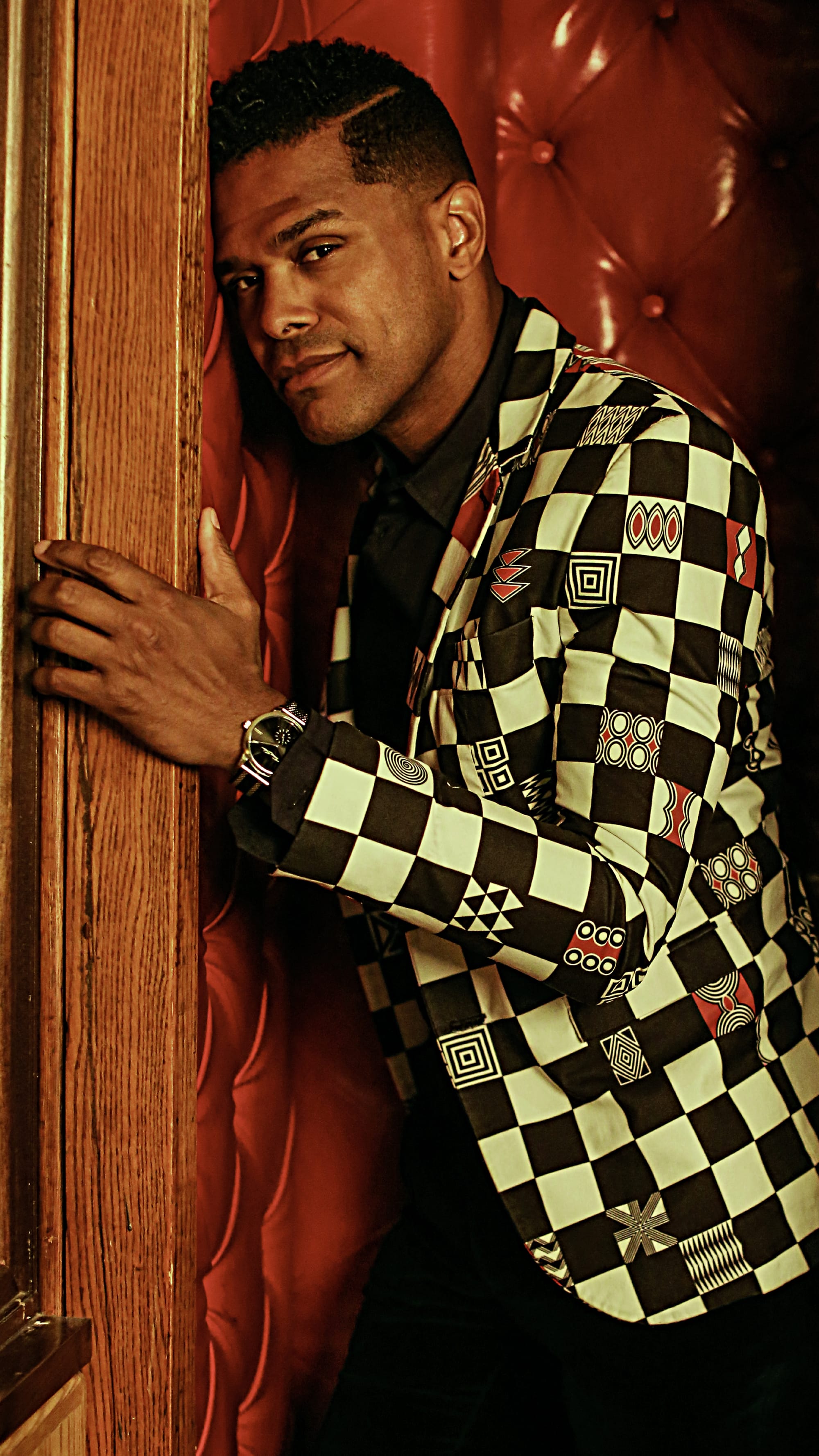
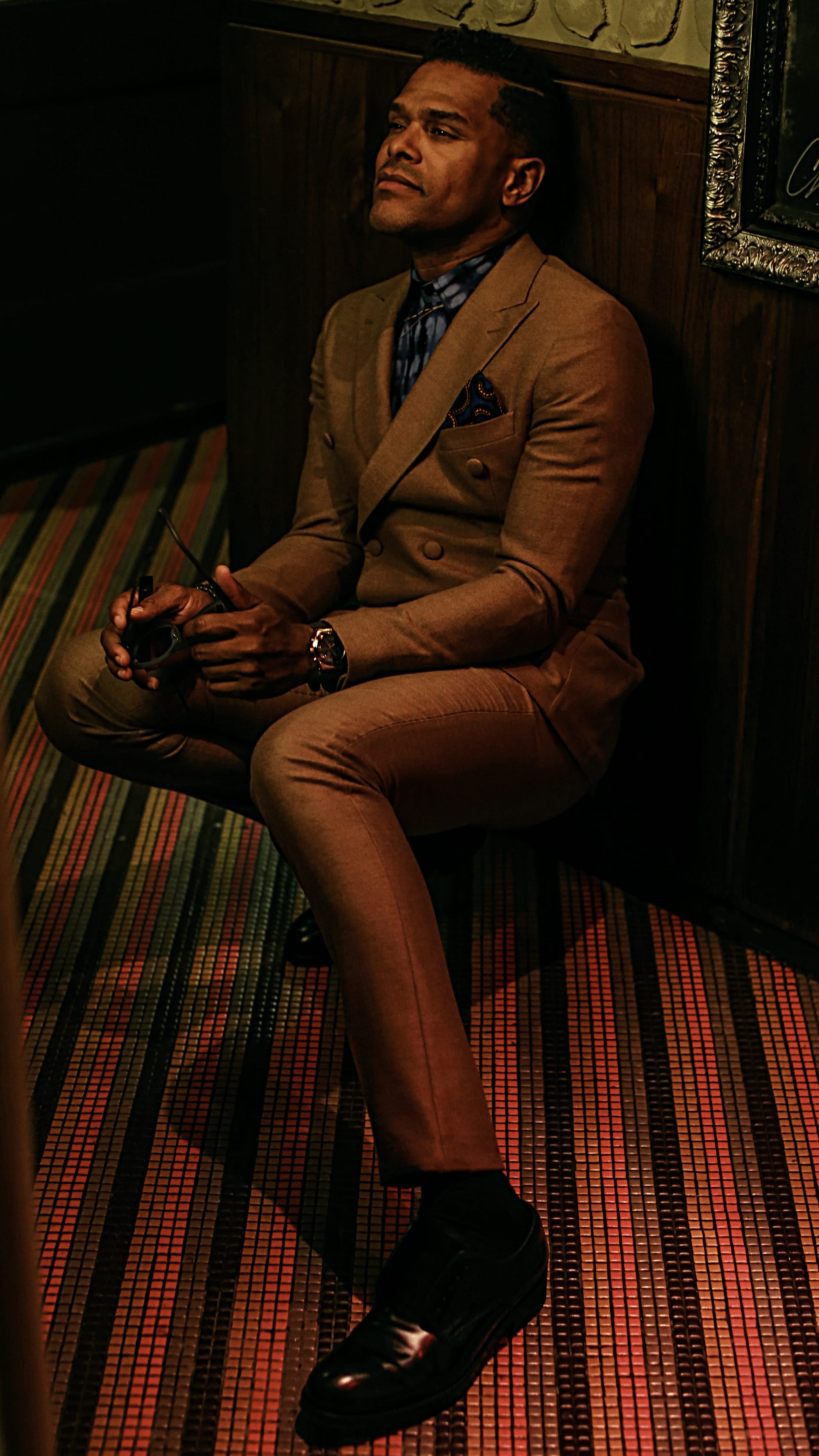
He always wears a suit to perform. Always. "People are taking time to come and see me. They do a lot of plans and sacrifices. The least I could do is be on my best." Recently, that best has meant African designers. "High-quality House Adrien Sauvage from Ghana. Lately, I have been dressing mostly with African designers."
He grins. A man who built a career on romance has, apparently, fallen in love with the continent's craft.
Charity, Community, Connection
He serves as Executive Director of UNITAS, fighting human trafficking. He is part of Artists for Peace and Justice, which funded a cinematic institute and radio institute in Haiti in the aftermath of the tornado. "Creativity is amazing in most impoverished places," he says, "because they have no other choice but to be creative." He has seen it. He cannot unsee it.
"Believe in yourself and believe in your dreams," he says as we wrap. "I failed so many times. But God is going to bring you to the right person at some point." He pauses. "After you've got what you asked for, there will be a whole bunch of new problems rushing towards you." He laughs. He is ready for them.
Photography by Horacio Hamlet. Styling by Nicolas Klam.