
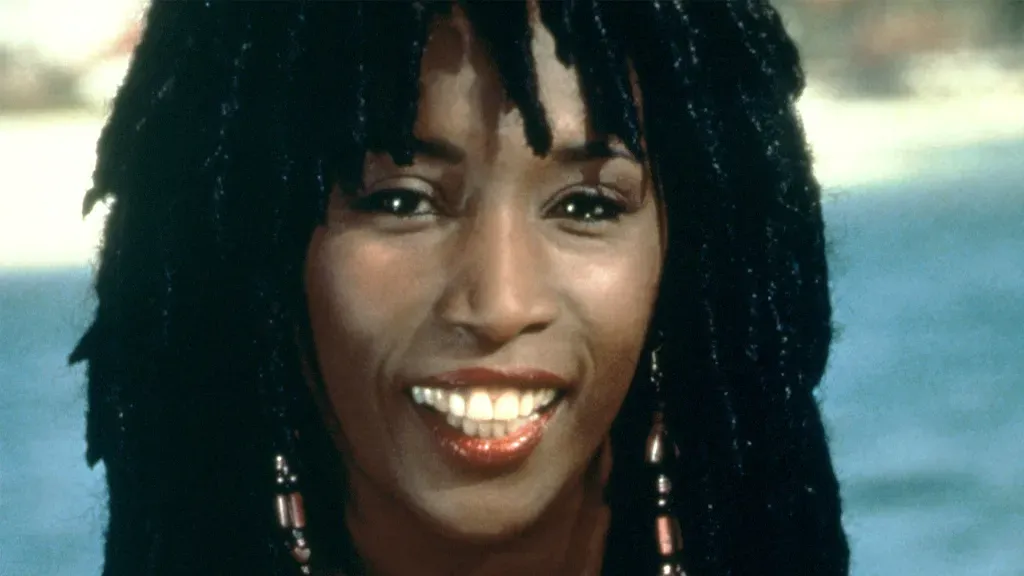
Even in a year full of new music, films and festivals, 2026 has already brought painful losses in Black entertainment. Across music, film, TV and culture, several influential figures have passed away, leaving behind work that helped shape the landscape audiences enjoy today. For fans and colleagues, it has been a reminder that the foundations of today’s Black pop and high art were laid by people whose names might not always trend, but whose fingerprints are everywhere in the culture.
Recent tributes have highlighted a cross‑section of these figures, including hip‑hop pioneer Afrika Bambaataa, beloved Showtime at the Apollo co‑host Kiki Shepard, gospel legend Roscoe Robinson, TV trailblazer Judy Pace, chef and TV personality Elle Simone Scott, and Grammy‑nominated rapper and producer John Forté. Bambaataa’s early work on records like “Planet Rock” helped define hip‑hop’s electro era and laid the groundwork for global club culture.
Shepard became a Saturday‑night fixture in Black households as the elegant, unflappable face of the Apollo stage, while Robinson bridged gospel’s quartet era and more modern styles. Pace expanded on‑screen space for nuanced Black women in 1960s and 70s Hollywood, Scott broke barriers as the first Black woman on America’s Test Kitchen, and Forté’s production on the Fugees’ The Score, plus his own solo catalog, made him a cult figure in hip‑hop. A detailed roll‑call of these and other notable Black figures who have died so far in 2026 is collected in NewsOne’s memorial list here.
What links these lives is not just talent, but the way they navigated industries that were rarely designed with them in mind. Shepard, for example, brought grace and warmth to a notoriously unforgiving stage, helping make Showtime at the Apollo a national institution and proving that a Black woman could be the centre of a mainstream variety show without diluting her presence.
Pace’s run in film and television expanded the roles available to Black actresses beyond maids and stereotypes, showing that glamour, complexity and political edge could coexist on screen. Robinson carried gospel traditions into new eras while mentoring younger singers, and Scott used her platform in food media to talk openly about equity, representation and health. Forté, after navigating legal troubles and incarceration earlier in life, returned to music and activism with work rooted in community and artistic freedom.
For younger fans and artists, reading about these figures is also a way of tracing lineage. Understanding how Afrika Bambaataa helped shape hip‑hop’s sonic DNA, or how Kiki Shepard and Judy Pace navigated television and film at times when Black women were far less visible, offers a roadmap for today’s creatives trying to balance art, business and authenticity. The same is true in food, where Elle Simone Scott’s career in test kitchens and on PBS shows what it looks like to claim space in traditionally white, male institutions.
As new stars rise, there is value in pausing to acknowledge the people whose labour, risk and imagination built the stages and formats they now stand on. Lists and tributes that gather these stories in one place—like NewsOne’s “Notable Black People Who Died in 2026” and The Root’s roundup of Black stars we’ve lost—make that work easier by contextualising not just who is gone, but what they made possible; you can start with NewsOne’s list here.