
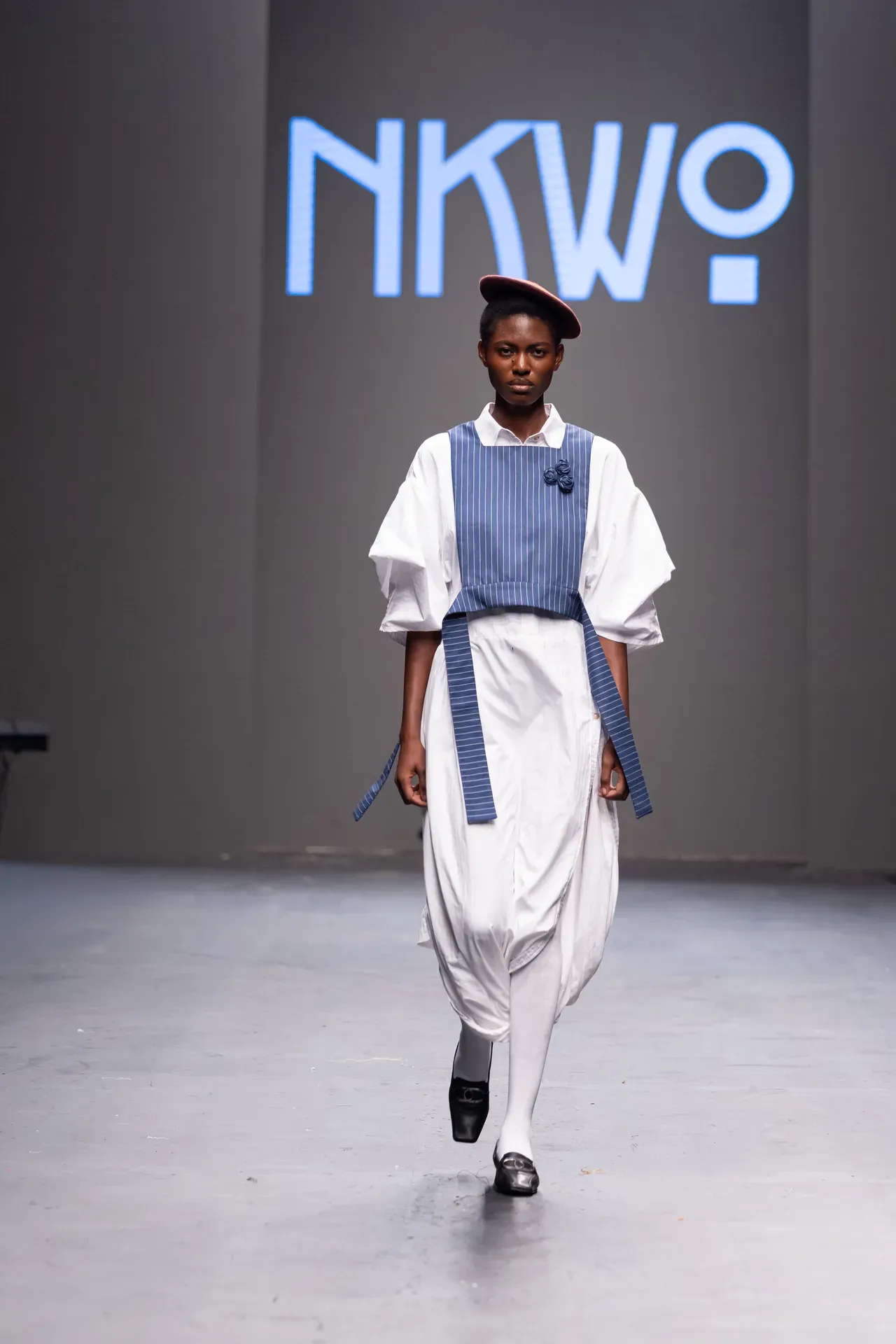
Lagos Fashion Week has quietly become the continent’s most important fashion calendar event, and its latest moves show it is thinking far beyond the four days of runway shows. The platform is increasingly positioning itself as an ecosystem builder—connecting designers, artisans, buyers and media across Africa with global consumers who want in on contemporary African style. That shift is clearest in its growing partnerships with digital retailers and storytelling platforms that help move looks from catwalk to closet rather than letting them die as social‑media moments.
One of the most headline‑grabbing examples is the Lagos Fashion Week x Industrie Africa limited‑edition trunk show, a collaboration that takes collections seen on the Lagos runway and makes them instantly shoppable for a 30‑day window. Instead of waiting months for stock to land in scattered boutiques, shoppers anywhere in the world can buy tightly curated capsules from some of the continent’s strongest voices—names like Orange Culture, Lisa Folawiyo, Lagos Space Programme and Emmy Kasbit—directly through Industrie Africa’s digital storefront. The trunk show is framed as a way to “extend the runway’s momentum,” translating buzz into actual orders and giving designers clearer data on which pieces resonate beyond front‑row applause.
@eniksnuel @lagosfashionweekofficial runway edition. @stylehousefiles @heinekenng @lagostourism @viva.jets @prosperafrica @afreximbankofficial @thebicestercollection @biodermaafrica #fashion #art #lagos #lagosfashionweek #create #cinematography
♬ original sound - eniksnuel
Strategically, Lagos Fashion Week is using these partnerships to argue that African designers aren’t just a moodboard reference for global brands—they’re leading their own conversations. Statements from organizers emphasize authorship and ownership, insisting that African creatives should be seen as originators of trends, not just as “inspiration” for Western houses. By looping in commerce, mentorship and international press coverage, the platform is slowly building the infrastructure that allows designers to scale sustainably instead of relying on one‑off viral moments.
The result is that Lagos Fashion Week now reads less like a single event and more like a year‑round movement. With each season, its orbit widens—from physical shows in Lagos to digital trunk shows, global pop‑ups and editorial spotlights that keep African labels in conversation long after the tents come down. If you want to see how that plays out in real time, you can browse the current LagosFW x Industrie Africa offerings and designer list here.