
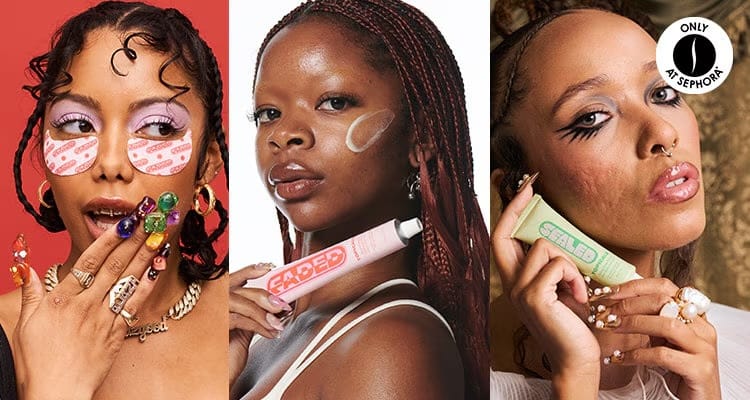
Topicals has quietly become one of the most powerful African‑owned brands in global beauty, turning a niche focus on “flare‑up” skin into a Gen Z cult phenomenon and a serious business case. Founded in 2020 by Nigerian‑American entrepreneur Olamide Olowe, the Black‑owned skincare brand was built to serve people dealing with chronic issues like hyperpigmentation, eczema and psoriasis—especially darker skin tones that have historically been under‑researched in clinical trials. In just a few years, Topicals has become one of Sephora’s fastest‑growing skincare lines, at one point selling a product every minute and holding the retailer’s number‑one eye mask slot.
Olowe launched Topicals at 23, combining clinically backed formulas with bold, irreverent branding and a public conversation about mental health, insecurities and women’s health that felt very different from traditional “perfect skin” marketing. That mix resonated hard: by 2022 she had raised a $10 million Series A led by CAVU Consumer Partners, making her the youngest Black woman—specifically a Nigerian woman—to raise more than $10 million in venture funding, and pushing Topicals’ total funding past $15 million. A profile breaking down how she built a “Gen Z‑crazed” skincare brand at Sephora is available here.
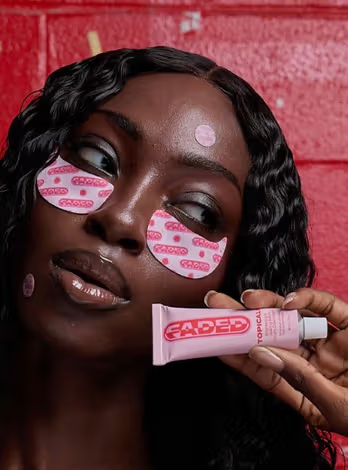
The investor list behind Topicals reads like a who’s who of culture and venture: Jay‑Z’s Marcy Venture Partners, CAVU, Lerer Hippeau, Hyve Ventures and angel backers like Issa Rae, Yvonne Orji, Bozoma Saint John, Kelly Rowland, Gabrielle Union and Hannah Bronfman have all put money into the brand. In 2026, Topicals doubled down on that strategy by closing a new round that brought in WNBA star Angel Reese and Nigerian megastar Rema, with founder Olowe saying she sees athletes and artists as “power brokers of culture” who don’t just follow trends but shape them. Since launch, Topicals has raised more than $22 million and ended 2024 as “one of Sephora’s fastest‑growing skincare brands,” with a customer base that is majority non‑Black—something still rare for a Black‑founded label.
What makes Topicals stand out isn’t just its product lineup—treatments for flare‑ups, hyperpigmentation and sensitive skin—but its insistence on pairing skincare with mental health advocacy. The brand leans into bright, cheeky packaging and campaigns that admit flare‑ups are painful and embarrassing, while reminding customers that “you make skin look good—not the other way around,” and has donated over $250,000 to mental‑health causes. That positioning has helped turn it into a case study in how African‑founded brands can compete globally without sanding off their point of view or catering only to a Black niche.
@topicals C’est officiel. Bonjour, la France. 🇫🇷 Shop now from France at mytopicals.com just in time for our Black Friday sale with up to 40% off site wide. @Cindy Miranda
♬ original sound - TOPICALS
Olowe is now expanding her influence beyond one label. In 2025 she and president Sochi Mbadugha launched a holding company called Cost Of Doing Business (CODB), acquiring Black‑owned haircare brand Bread Beauty Supply with the aim of building a portfolio of “culturally relevant brands with close connections to avid communities.” She’s been candid about the difficulty of keeping Black‑owned brands alive in a harsh funding climate—saying she’s spent much of her own savings trying to revive Bread and keep it Black‑owned even as other labels shutter. That willingness to fight for ownership, alongside Topicals’ climb from idea to Sephora staple, has made her a reference point for how African and diaspora founders can build beauty companies that are both culturally specific and fully at home on global shelves.
For a deeper dive into how investors like Angel Reese and Rema are backing Topicals as it enters its next chapter, and what that says about the future of Black and African‑owned beauty, you can read more here.