
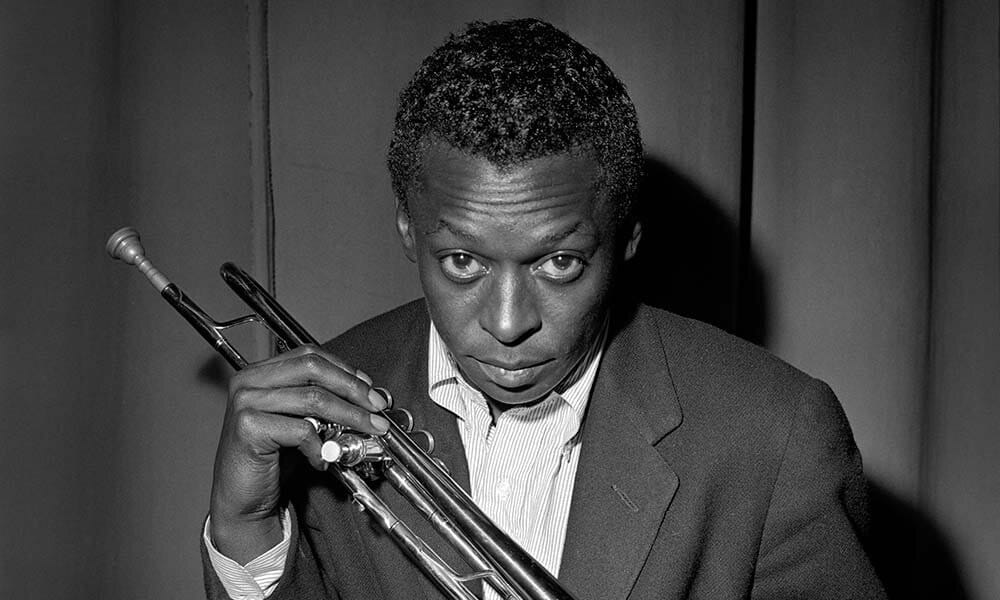
Hugh Masekela’s journey from South African prodigy to global jazz icon was shaped in part by a blunt piece of advice from Miles Davis: stop trying to sound like everyone else and put South Africa into the horn. In a now‑famous anecdote, Masekela recalled Davis telling him, “You’re just going to be a statistic if you play jazz… but if you put in some of the stuff you remember from South Africa, you’ll be different from everybody.”
Davis, who took a keen interest in what was happening in apartheid‑era South Africa, kept pushing Masekela to “do your own thing,” warning that there were thousands of players chasing the same American bebop and hard‑bop language. Masekela later remembered him saying, in that gravelly voice, “Hugh, you’re a real motherfucker. You should just do your own thing,” advice that stuck with him long after their early encounters in New York. A concise breakdown of this relationship and how it changed Masekela’s career is available here.
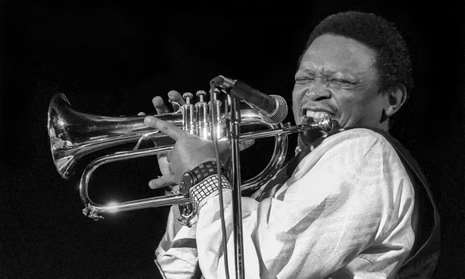
Masekela took the challenge seriously. He began folding marabi, township grooves, South African folk melodies and the rhythmic feel of home into his trumpet and flugelhorn work, instead of trying to match the harmonic complexity of the New York scene note for note. NPR notes that once he did that—once he put “that s*** in [his] s***,” as Miles put it—his playing became unmistakable, a blend of jazz phrasing with South African rhythm that made hits like “Grazing in the Grass” and his later exile anthems impossible to confuse with anyone else.
Miles himself later wrote that every time he saw Hugh, he told him to keep doing his own thing instead of copying what Americans were playing, and that “after a while I think he started listening to me, because his playing got better.” That evolution helped Masekela become not just a great improviser but a cultural voice, using his horn to speak about mines, migrant labor, police violence and exile in a language grounded in the sound of South Africa.
The Davis–Masekela connection has since become a textbook example of how mentorship can push artists back toward their own roots instead of away from them. For younger African musicians navigating global genres today—from Afrobeats to alt‑jazz—it’s a reminder that the most powerful thing you can import into any scene is the part nobody else knows but you.