
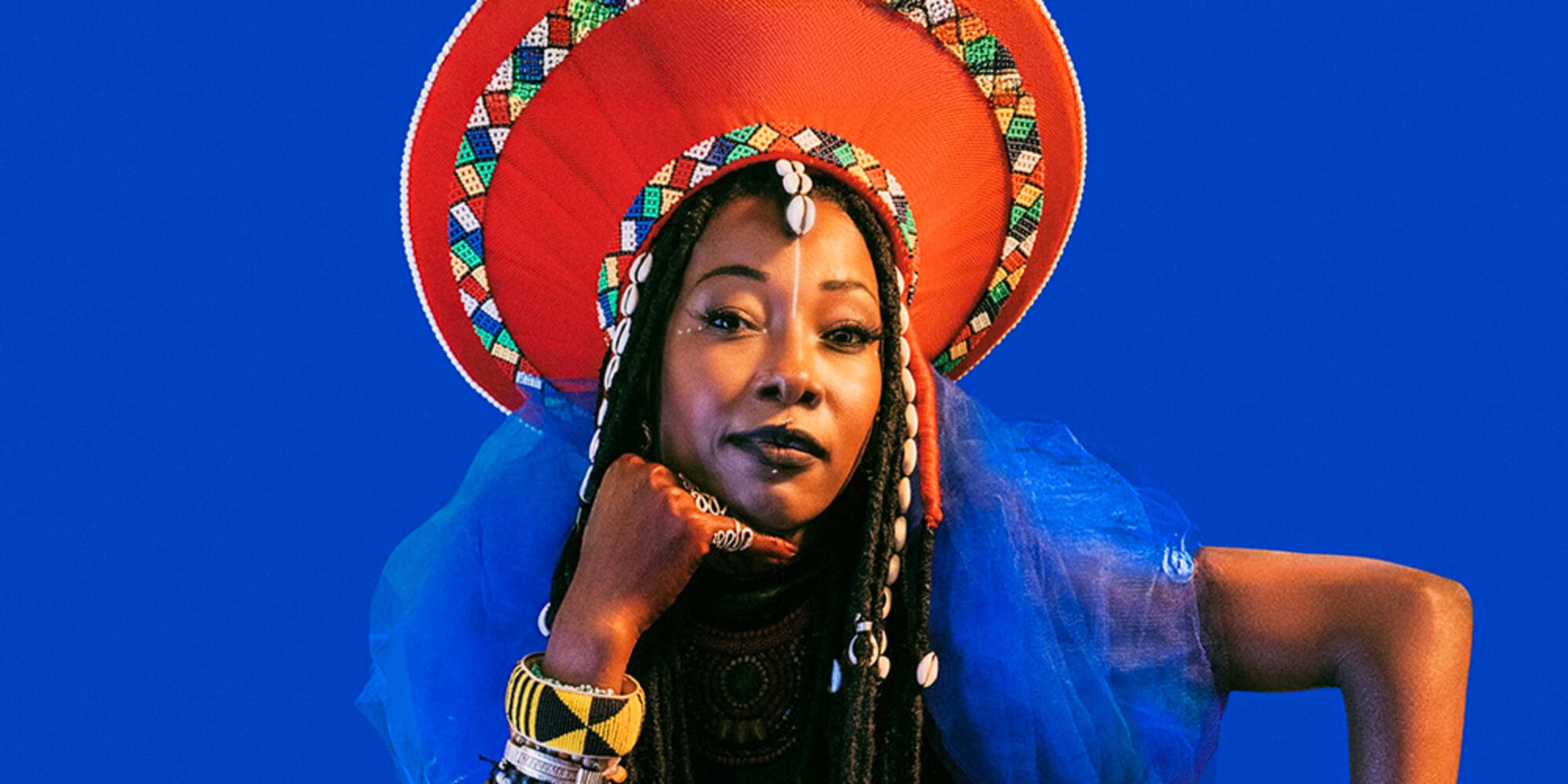
Malian singer‑songwriter Fatoumata Diawara says that no matter how heavy the subject matter gets, she still finds refuge in creating songs, treating music as a kind of spiritual shelter from everything she’s lived through. She’s talked for years about coming out of personal and political turmoil and learning to turn pain into art, describing music as a healing force that helps her forget her past, soothe her soul and stay kind and positive.
In a new feature, Diawara explains that even when the meaning behind a song is “very painful,” she leans into bright melodies and movement on stage, so the act of performing becomes a way to transform grief, trauma and conflict into something hopeful. The piece highlights how her latest work continues to blend Malian roots with global pop, using that fusion to carry stories of motherhood, memory and resilience while she herself uses the process of writing and singing as a form of therapy. You can read more about how she frames music as her safe space and emotional outlet here.
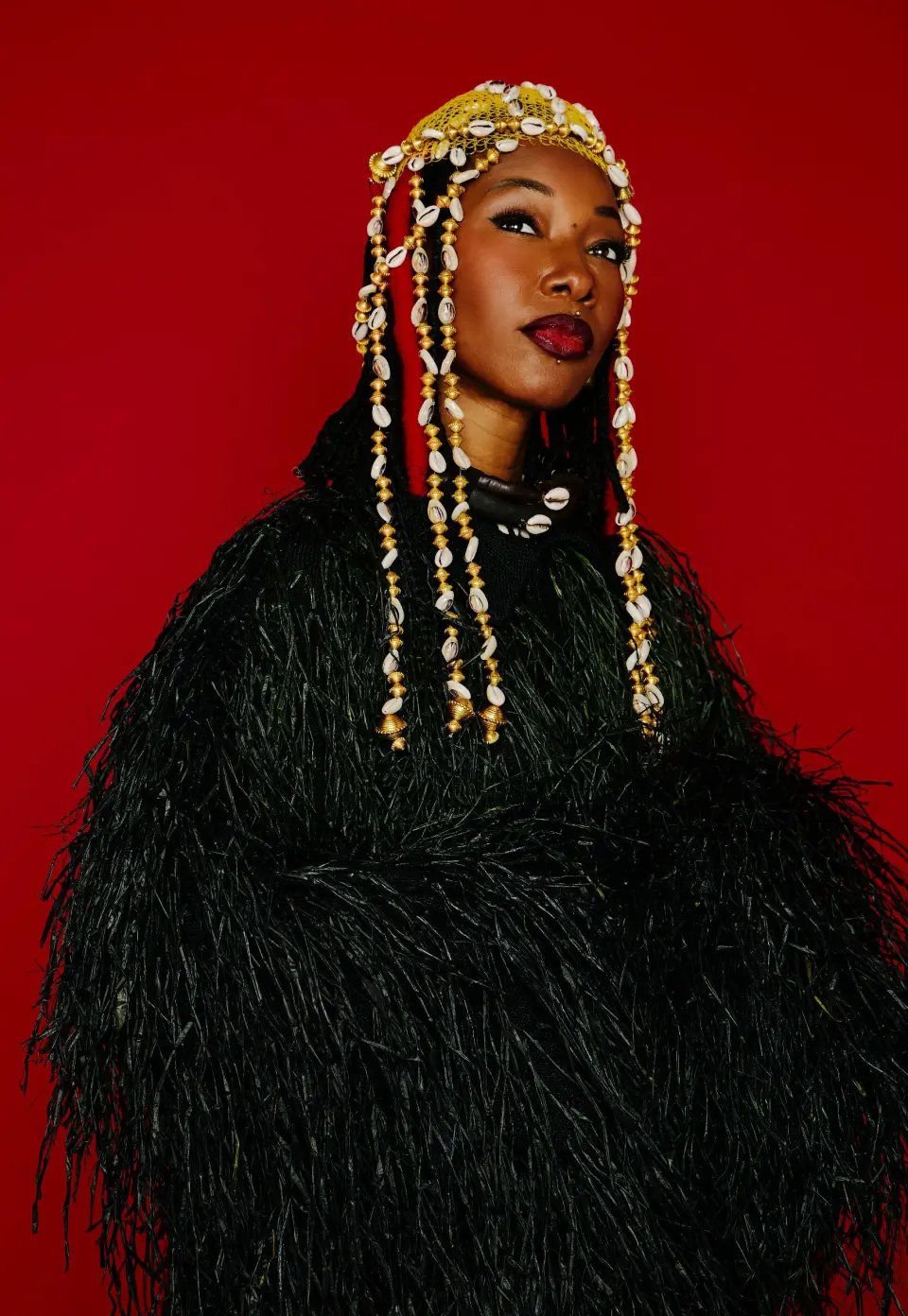
Diawara has described music as “like a guard to defend myself, to be the protector of love,” saying people in her past tried to take that love away but songs allowed her to hold onto it and present her true self to the world. She often talks about carrying Mali and Africa with her on stage, insisting that music is about presenting who you truly are, not just entertaining, and that sense of responsibility feeds into why she keeps returning to her guitar whenever life gets overwhelming.
Her catalog has long wrestled with themes like forced marriage, migration and women’s rights, but even at her darkest she pairs those topics with uplifting grooves and choruses that offer listeners a kind of emotional release. She’s said that working with music protects her, lets her keep her peace as an African woman and feels like a voice telling her “don’t worry… accept what you have and what happened in the past and try to make it better for the future.”
That’s why, whether she’s on a festival stage in Europe or an intimate theater set, Diawara treats each performance as a small act of healing—for herself first, and then for anyone who connects to her story in the crowd. A fuller profile that ties this philosophy to her new album cycle and her evolution into one of Africa’s most vital contemporary voices can be found here.