
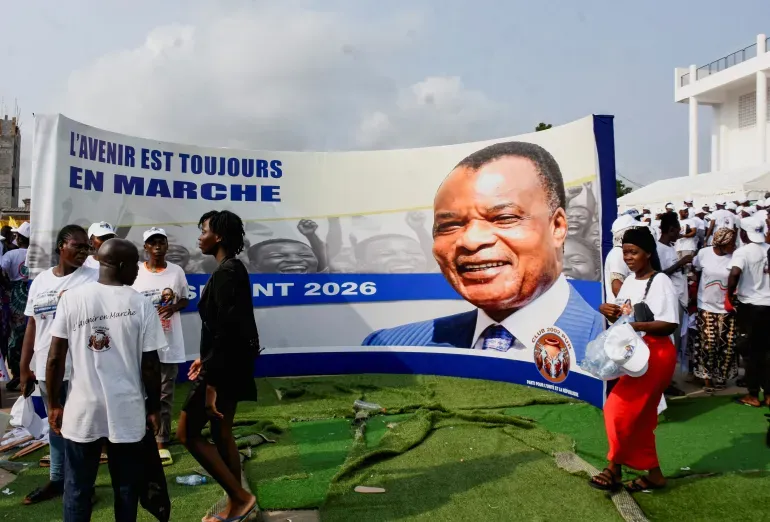
On March 15, voters in the Republic of Congo are heading to the polls in a presidential election that, on paper, offers a choice—but in reality is likely to extend Denis Sassou Nguesso’s decades‑long grip on power. The 82‑year‑old leader, who has ruled for more than 38 years across two long spells, confirmed in early February that he would run again, telling supporters at an agricultural fair that he would be “standing as a candidate in the presidential election” to guarantee stability and oversee an agricultural revival. His Congolese Labour Party (PCT) had already designated him the “natural candidate” at its December 2025 congress, and a broad “presidential majority” coalition quickly fell in line behind him.
There are opposition candidates on the ballot, but they’re operating in a media and security environment that heavily favours the incumbent. Civil society groups and some younger Congolese are talking about corruption, inequality and the need for generational change, yet many analysts quoted in regional outlets say the fragmented opposition, combined with Sassou Nguesso’s control of state institutions, makes an upset unlikely. The campaign, which formally opened on 28 February and runs until the night before the vote, has featured big rallies and promises of jobs and food security, but little sign that the basic balance of power has shifted.
For Afropolitans watching from the outside, Congo’s vote is a familiar story: a formal multi‑party contest overlaid on top of a system built around one man and his network. Africanews’ explainer on the election lays out the key dates, candidates and context here. Sassou Nguesso’s own site, meanwhile, is already pitching his candidacy as the only route to “stability” and economic reform, which you can see in his official announcement here.