
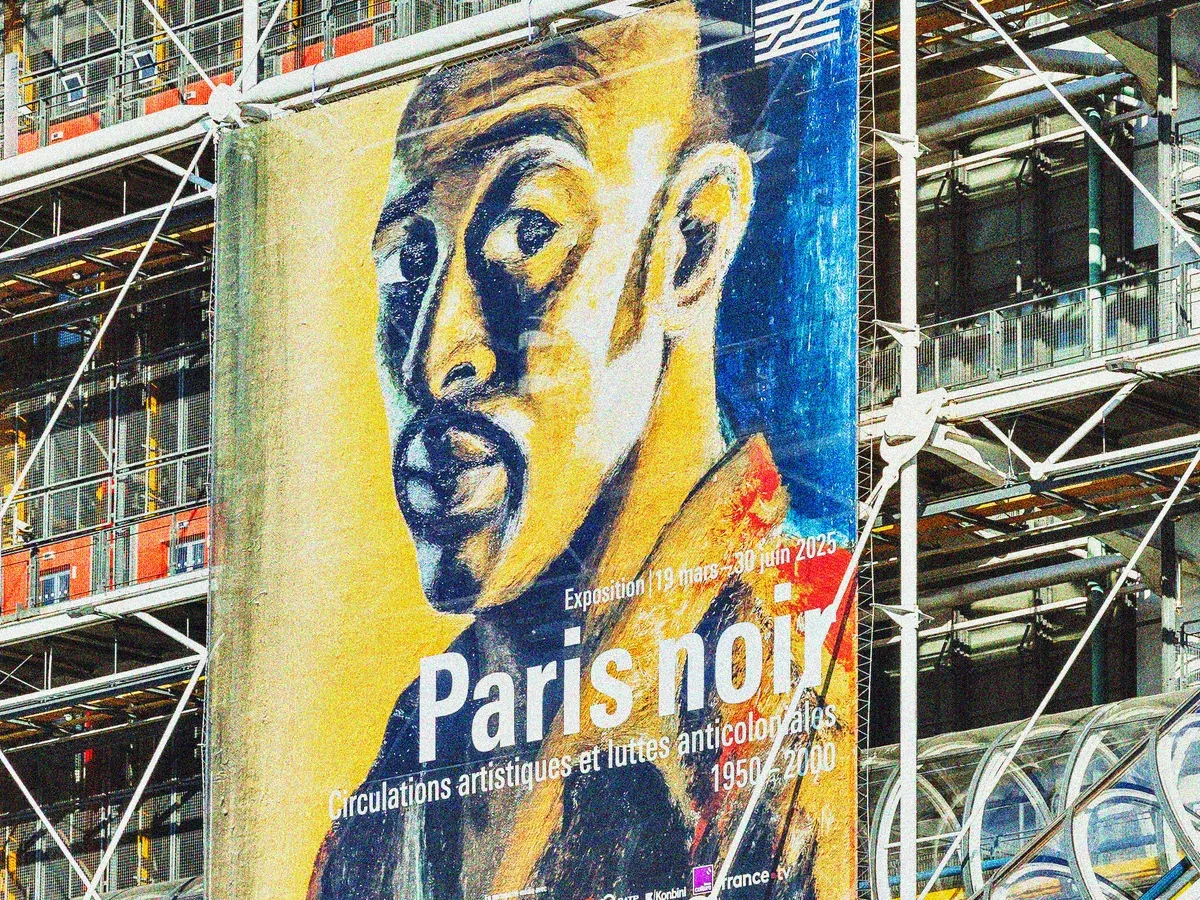
At the Pompidou Center in Paris, a groundbreaking exhibition titled “Black Paris” (also presented as “Paris Noir”) is rewriting how the city tells its own story by centering artists of African descent. Bringing together works from about 150 artists of African, Afro‑American and Caribbean heritage who lived and worked in Paris from the 1940s to the 2000s, the show maps a visual conversation that stretches from anti‑colonial struggles to contemporary debates about race and belonging. It is one of the museum’s final major exhibitions before a five‑year renovation, underscoring how urgent curators felt it was to place these narratives at the heart of the institution rather than at the margins.
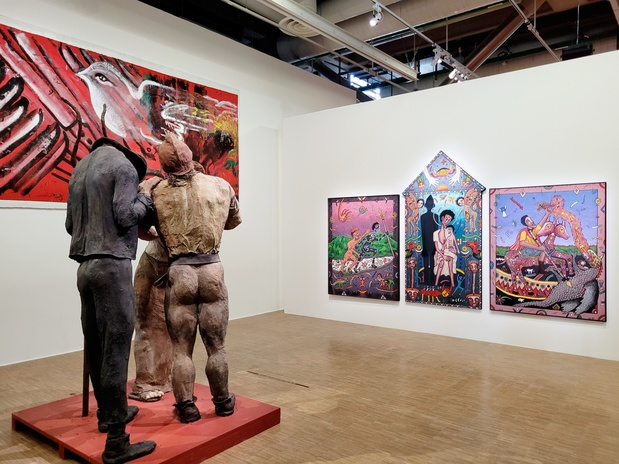
The exhibition moves through decades where Black artists used Paris as both refuge and battleground, experimenting with new visual languages while navigating the realities of colonial legacies and migration. Paintings, photography, sculpture and mixed‑media works are grouped to show how themes of resistance, exile, joy and everyday life loop back on themselves from one generation to another. Many of the artists featured have rarely or never been presented in major French institutions before, making this not just a survey but a correction to long‑standing gaps in the canon. You can read more about “Black Paris” here and explore another overview of “Paris Noir” here.
For visitors from the African diaspora, the show lands at a time when Paris is also hosting events like UNESCO’s World Day for African and Afro‑Descendant Culture, which highlights the central role of African cultures and youth in building more peaceful, inclusive societies. That broader context matters: it turns a museum visit into part of a larger ecosystem of conversations about who gets to be visible in Europe’s cultural capitals and whose histories are celebrated as part of the national story.
The exhibition also speaks to how Black artists have always shaped Paris as a city of ideas, even when they were left out of tourism brochures and textbooks. From Haitian and Senegalese painters to African American photographers, the show traces how artists used Paris as a base to build transatlantic networks that influenced movements back in Africa, the Caribbean and the United States. That back‑and‑forth—between Paris and the wider Black world—mirrors how today’s diaspora creatives still move between continents, studios and scenes.
@being_missflo Paris Noir: An Essential and Historic Exhibition Paris has been a key crossroads for African, African American, and Caribbean artists for a while. The exhibition focuse on this period from 1945-2000. The Paris Noir exhibition at the Centre Pompidou showcases these Afro-descendant artists in an iconic and central venue. It is an important, even historic, exhibition that sheds light on a history too often forgotten. I was impressed by the richness of the content—there was so much to see that they could have easily created five exhibitions with the material presented! But this abundance also allowed me to discover many artists and appreciate the diversity of works on display: painting, sculpture, photography, videography… From Paris to Dakar, via Fort-de-France and New York, Paris Noir immerses us in a fascinating artistic and intellectual movement. 📍 Centre Pompidou, Paris 📆 30/06/2025 #ParisNoir #Art #Culture #History #Decolonization
♬ Giant Steps (Mono) - John Coltrane
As “Black Paris” runs its course, it leaves behind a new blueprint for how major museums can treat African and Afro‑descendant art: not as a temporary “diversity” gesture, but as core to understanding a city’s modern identity. For anyone traveling to Paris in 2025, pairing a visit to this show with events around the World Day for African and Afro‑Descendant Culture offers a powerful way to see the city with fresh eyes—one where Black presence is not an aside, but the main text.