
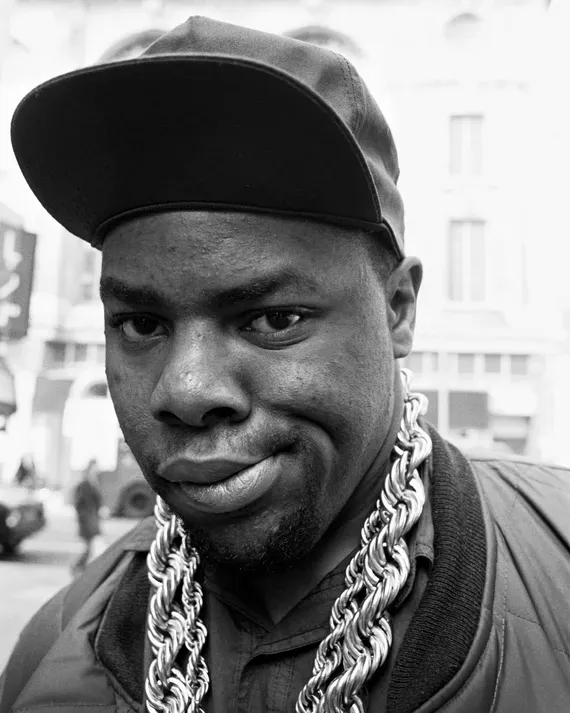
Biz Markie’s legacy is bigger than one song, but “Just a Friend” is the reason his name crosses generations and continents. The 1989 single, built around a dusty piano loop and his gloriously off‑key singing, cracked the US Top 10 and turned a deeply awkward, very human dating story into an anthem that still gets screamed word‑for‑word at parties, weddings and cookouts decades later.
Born Marcel Theo Hall in Harlem and raised on Long Island, Biz started as a beatboxer and DJ before sliding into rapping, bringing a crate‑digger’s ear and a natural sense of humour to the Juice Crew, the Marley Marl‑helmed collective that also housed Big Daddy Kane, Roxanne Shanté and Kool G Rap. Albums like “Goin’ Off” and “The Biz Never Sleeps” showcased his knack for weird, noisy samples, rubber‑band flows and skits that felt like inside jokes you were lucky enough to overhear, helping to define a golden‑era sound where personality mattered as much as technical perfection.
Beyond the hits, Biz’s legacy runs through the culture in quieter ways: the way he normalised goofiness and vulnerability in a genre that often prized cool detachment, the way his crate‑digging and sample choices helped shape boom‑bap production, the way his beatboxing, DJ sets and cameos kept him a fixture on tours and TV long after his chart peak. His 1991 legal battle over the uncleared sample on “Alone Again” — which ended in the landmark Grand Upright Music v. Warner case — also changed the music industry overnight, forcing labels and producers to clear samples properly and reshaping how hip‑hop is made and monetised to this day.
When Biz died in 2021 at 57 after complications related to diabetes, the tributes from LL Cool J, Questlove, Missy Elliott and newer artists didn’t just mourn a rapper; they mourned a connector, a walking archive and a reminder that hip‑hop could be funny, tender and strange without losing its edge. Recent documentaries and tribute projects like “All Up in the Biz” have dug into that story, framing him as a bridge between eras whose influence shows up everywhere from meme culture to how rappers now play with voice, humour and self‑deprecation — a legacy mapped out in one place here.