
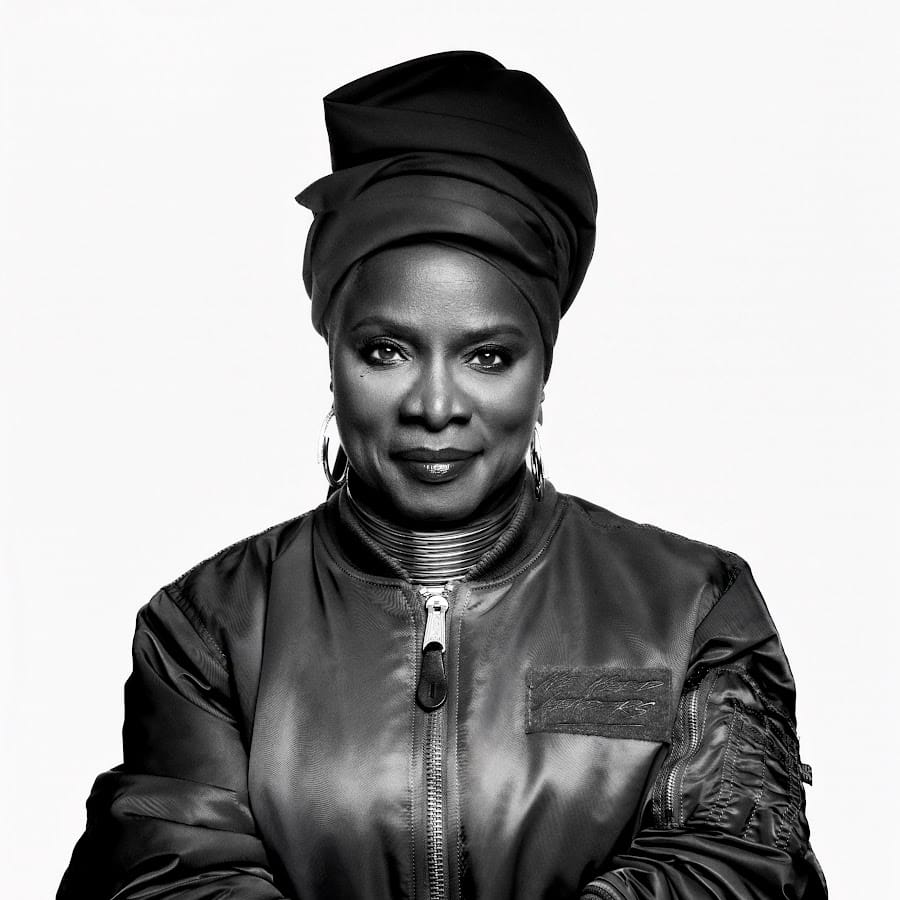
Angélique Kidjo says she’s never seen herself as a star first, only as someone in service of whatever song wants to come through her. In a recent conversation reflecting on a 40‑year career, the Beninese legend described her philosophy simply: “I have always been at the service of music. I have no control over my inspiration,” framing herself as a messenger rather than a mastermind.
The five‑time Grammy winner—who’s also received the Polar Music Prize and became the first Black African artist to receive a star on the Hollywood Walk of Fame—explains that this mindset is what allowed her to move effortlessly between Afropop, jazz, classical work, Talking Heads covers and collaborations with everyone from Burna Boy to Philip Glass without feeling boxed in. In the feature, she revisits songs like “Agolo,” the invented word “Batonga,” and her new album HOPE!!, which she dedicates to her late mother, tying them all back to the idea that music is how she teaches, connects and fights for dignity. You can read that full reflection here.
That belief in being “at the service of music” is written all over her recent COLORS performance. In May 2026, Kidjo stepped into the famously minimal COLORS studio and delivered a stripped‑back rendition of “You Can,” a track from HOPE!!, backed only by guitarist Amen Viana. The performance, which COLORS describes as the Beninese icon bringing her “signature warmth and conviction” to a song about resilience and self‑belief, felt deeply personal—social clips praised the way she turned the usually cool, monochrome space into something warm, prayer‑like and communal.
Kidjo says music has always been, for her, “the way to teach people, to tell people how connected we are and to try to find a common ground on which we can walk together in respect of one another.” Growing up in Benin, she saw music as the centerpiece of daily life—at ceremonies, protests, and family gatherings—and that sense of responsibility never left, even as she moved onto the biggest stages in the world. Live appearances around HOPE!!, from the COLORS set to performances of songs like “Bando” on U.S. television, have doubled as masterclasses in how to turn a three‑minute performance into a conversation about hope and endurance.
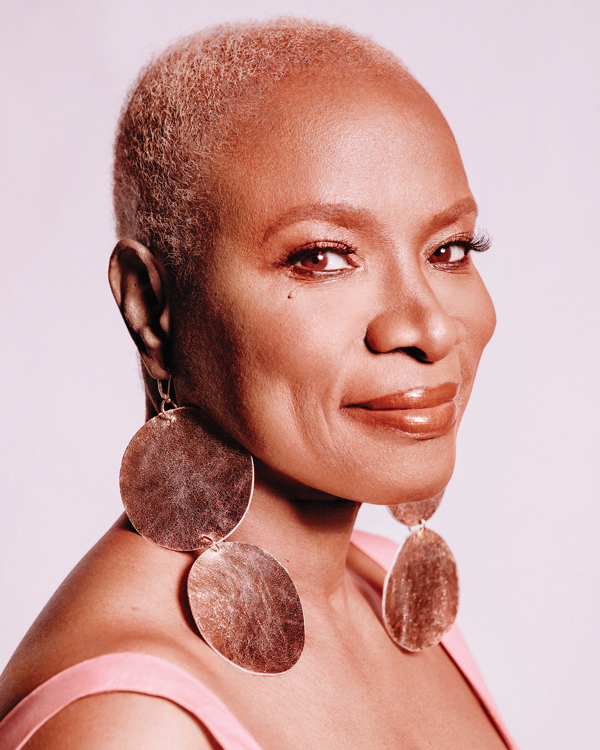
Beyond the stage, she’s long tied her artistry to activism: as a UNICEF and Oxfam goodwill ambassador and through her Batonga Foundation, she’s focused on educating and empowering African girls, insisting that her visibility only matters if it can open doors for others. That combination—restless creativity plus a deep sense of duty—is what makes the “service of music” line feel less like a slogan and more like the way she’s actually chosen to live.
As new generations of African artists break globally, Kidjo’s story reads like both a blueprint and a challenge: keep experimenting, stay rooted, and remember that the songs are bigger than the person singing them.