
Four African teams have already punched their tickets to the Round of 32 at the 2026 World Cup, signalling a new level of presence for the continent at football’s biggest stage. Morocco, South Africa, Côte d’Ivoire and Egypt have all secured automatic qualification from their groups, with more African sides joining via second‑place and best third‑place spots as the group stage wraps. In a 48‑team format where the field is wider and the math more complicated, seeing multiple African flags in the knockouts this early is changing the feel of the tournament.
Morocco continued the story they started in 2022. Drawn into a tough group, they finished as runners‑up behind Brazil, leaning on the same compact defending and sharp transitions that made them global favourites four years ago. They navigated heavyweight opposition with calm, making enough points and goals to avoid the anxiety of third‑place calculations and book a straightforward path into the last 32. For a team that has become a symbol of North African consistency, 2026 looks less like a surprise and more like a follow‑up. You can see an overview of which teams are already in the knockouts here.
South Africa’s qualification carries a different kind of weight: history. Bafana Bafana are into the Round of 32 for the first time, advancing from Group A as runners‑up after recovering from an opening defeat to co‑hosts Mexico to take four points from their next two games. Their run has been framed as one of the tournament’s feel‑good stories, with local and regional media highlighting how a squad that often lives in the shadow of its own past has finally found a way to step forward.
@supersportofficial Senegal's huge win gives them a shot at the Round of 32 🦁🇸🇳 #SportsonTikTok #SSFootball #FIFAWorldCup #DStvFIFAWorldCup2026 #EverythingCanWait #Football #FootballonTikTok #Soccer #2026FIFAWorldCup #FWC2026 #Senegal
♬ original sound - SuperSportTV - SuperSportTV
Côte d’Ivoire, meanwhile, have underlined West Africa’s depth. The Elephants qualified from Group E in second place behind Germany, with results against Ecuador and Curaçao giving them enough to clear the line. Commentators have pointed to their blend of physicality, technical skill and tournament experience, noting that—even in an era of constant rebuilding—they still know how to navigate group stages when it matters
Egypt round out this early quartet, coming through a tight Group G as runners‑up to Belgium. Coverage describes their journey as a “historic run,” with solid defensive performances and moments of individual quality carrying them past rivals in a group where small margins made the difference. For a country whose footballing identity is often tied to AFCON success, this World Cup progress feels like a reminder that their story doesn’t end at continental level. You can read more about how seven African teams have now reached the Round of 32 here.
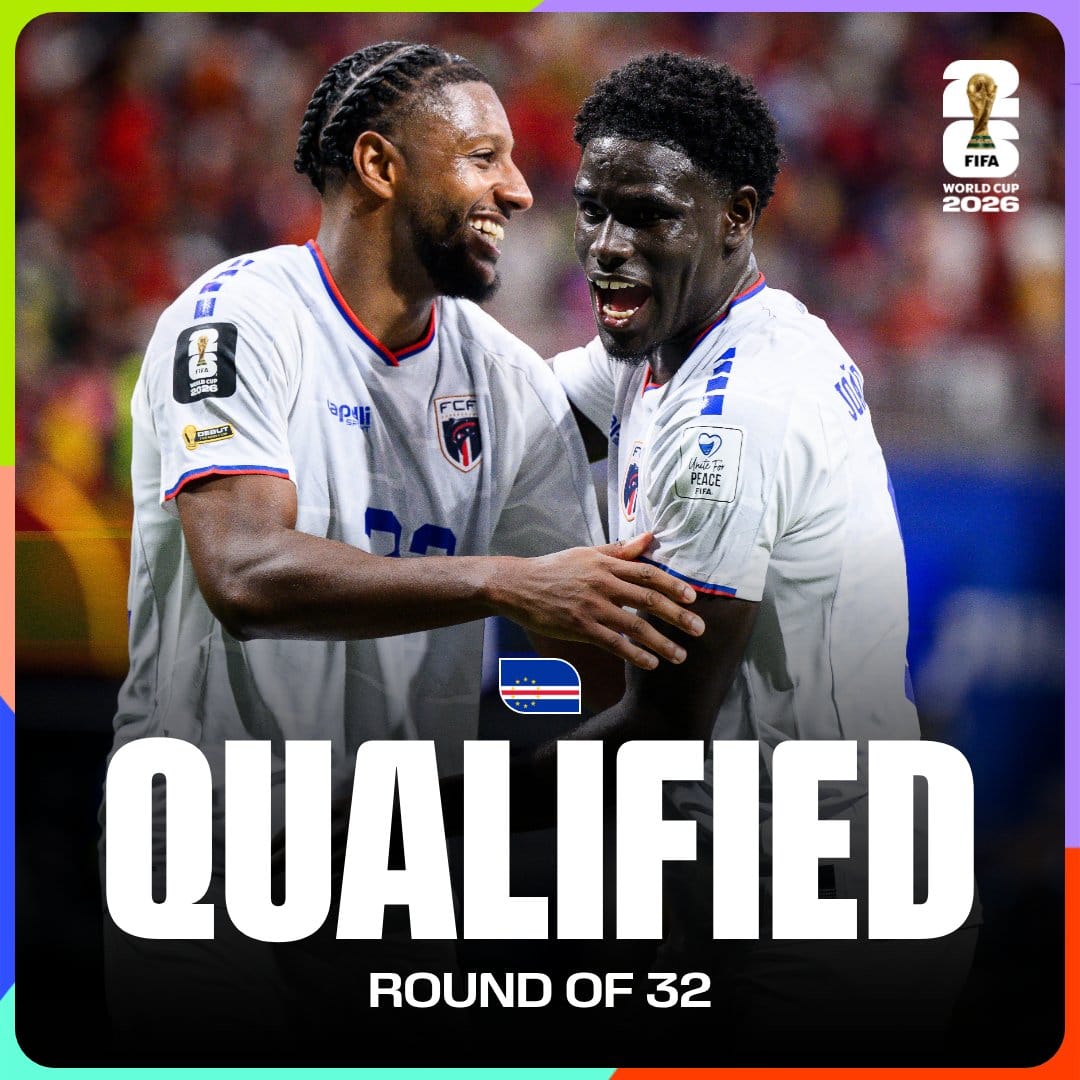
Taken together, these four early qualifiers set the tone for a broader African moment in 2026. Cape Verde, Ghana and Senegal have since joined them, pushing the total number of African teams in the Round of 32 to seven—out of ten who started the tournament. In a competition where some traditional giants are stumbling, African sides are not just surviving; they’re shaping the bracket. For fans across the continent and the diaspora, that means the knockout rounds will feature more familiar flags, more chances at deep runs and more proof that Africa’s football story is expanding, not just repeating old chapters.