
African Artists Setting Up Base in the USA: Asake, Ayra Starr, and a Growing Diaspora Wave
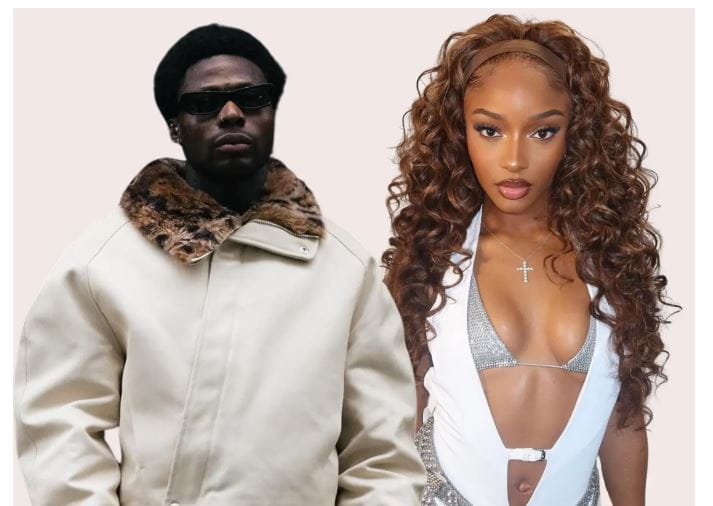
A growing number of African artists are relocating to the United States, turning short-term visits into long-term bases as they tap into the diaspora market, streamline international touring, and position themselves for global collaborations. This shift is less about leaving home and more about expanding reach, with stars citing everything from energy and opportunity to family and logistics as reasons for the move.
Asake is one of the most visible names in this trend, having purchased a $1 million mansion in Atlanta while setting up his primary base in California. The Atlanta move signals both a lifestyle upgrade and a business strategy, giving him a foothold in a city with a deep African diaspora and strong music infrastructure, while California positions him closer to industry hubs and creative networks here. Ayra Starr, meanwhile, has moved to New York, describing the city’s energy as reminiscent of Lagos and noting that the large African diaspora makes her feel at home while also easing travel for performances across North America and Europe.
@onejoblessboy 🗣️ "You just moved to New York, what made you wanna be here?" AYRA STARR:
♬ original sound - OneJoblessBoy - OneJoblessBoy
Beyond Asake and Ayra Starr, other Nigerian artists have made similar moves for a mix of personal and professional reasons. Adekunle Gold and his wife Simi now split their time between Nigeria and the U.S., using the States as a base for family life and international projects. Davido, who has long balanced life between Lagos and Atlanta, recently expanded his U.S. property footprint with a new home in Atlanta, where his wife and children are based, making it easier to manage his growing global career here.
The trend also includes artists who relocated earlier but are now part of a broader conversation about African presence in the U.S. music scene. Banky W moved to pursue a master’s degree and focus on family and faith, while still maintaining strong ties to Nigeria’s entertainment industry. Younger, diaspora-adjacent acts like Amaarae, Mannywellz, and Libianca—though not all born in Africa—are part of the same ecosystem, blending African sounds with R&B, hip-hop, and alternative styles that resonate with U.S. audiences.
For these artists, relocating to the U.S. is as much about infrastructure as it is about inspiration. Proximity to major labels, producers, and global media outlets makes collaborations and releases smoother, while the dense African diaspora in cities like New York, Atlanta, and Los Angeles ensures a ready-made fanbase. The move also reflects a broader confidence: African music no longer needs to be “exported” from Lagos or Johannesburg to be taken seriously; it can be made and marketed from the heart of the American industry while still carrying its roots.