
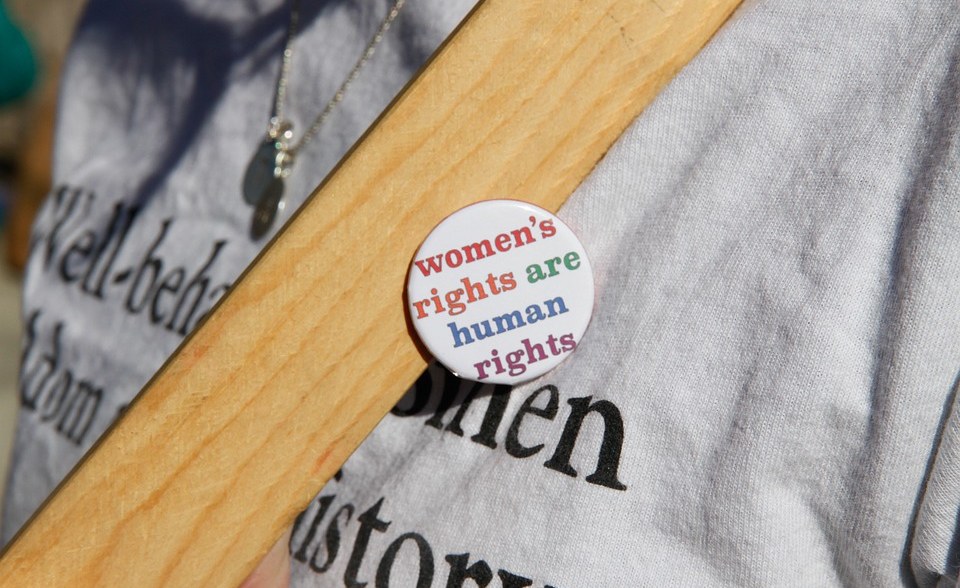
Women are showing up for democracy across Africa, but democracy is not always showing up for them. United Nations and European Union officials have sounded the alarm over the barriers that continue to block women from taking their rightful place in political leadership on the continent, even as more countries adopt laws meant to promote gender equality.
The officials point to three persistent culprits: discriminatory social norms, unequal power relations, and rising gender-based violence. These are not abstract forces. They play out in community halls, on campaign trails, and inside parliament buildings, quietly discouraging women from running, speaking, or staying in public life at all.
The frustrating part is that progress has been made. Representation numbers have moved in the right direction in several African countries, and legal frameworks for gender equality exist in many places. But a law on paper and a seat at the table are two very different things, and officials are clear that one does not automatically lead to the other.
The warning from the UN and EU lands at a critical moment. As more African nations head into election cycles, the question of who gets to lead, and who gets pushed out before they even try, is one the continent cannot afford to leave unanswered.
Originally published by AllAfrica.