
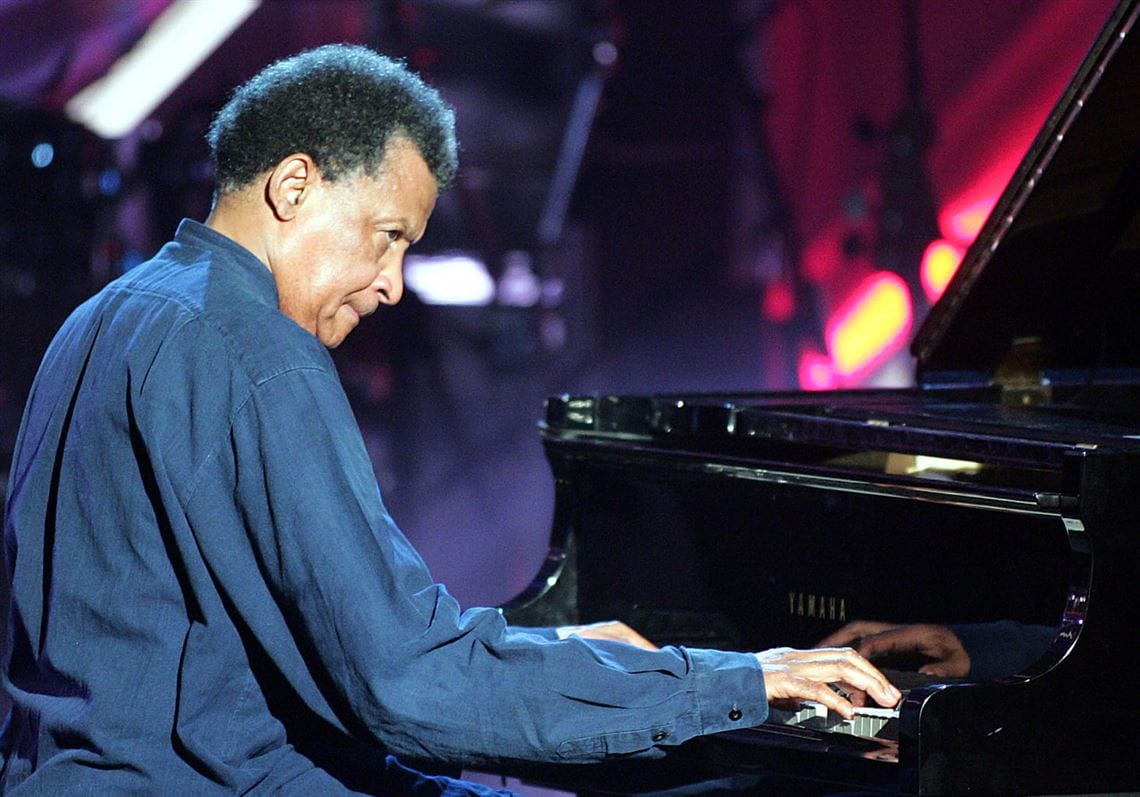
Abdullah Ibrahim, the revered South African jazz pianist and composer once described by Nelson Mandela as “our Mozart,” has died at the age of 91 in Germany after a brief illness. His family said he passed away peacefully, surrounded by loved ones, carrying South Africa and its people “in his heart” even in his final moments. Born Adolph Johannes Brand in Cape Town and long known as Dollar Brand before embracing Islam and taking the name Abdullah Ibrahim, he spent more than seventy years building a body of work that turned township memories into meditative, global jazz.
Ibrahim’s journey from apartheid‑era Cape Town to the world stage was marked by both exile and deep rootedness. After early success with the Jazz Epistles and collaborations that caught the ear of Duke Ellington, he left South Africa in the 1960s, eventually settling in Europe and the United States while his music was embraced as a soundtrack of resistance back home. Pieces like “Mannenberg” became unofficial anthems of the anti‑apartheid struggle, echoing through rallies and airwaves as a reminder that joy and defiance could share the same melody. You can read an in‑depth appreciation of his life and work here .
Even as he made homes in Europe—ultimately settling in Bavaria, south of Munich—his music never stopped circling back to the streets, churches and shebeens of Cape Town. Critics often described his style as both spare and hymn‑like, with left‑hand figures that carried the pulse of marabi and Cape jazz beneath right‑hand lines that drew from American bebop, classical music and African choral traditions. He recorded more than 70 albums over his career, leading ensembles like Ekaya while also returning frequently to solo piano, where space and silence became as important as any note.
Ibrahim’s impact extended far beyond the bandstand. In 1994, he performed at Nelson Mandela’s presidential inauguration, a symbolic moment that linked his decades of exiled resistance to the birth of a new South Africa. Younger musicians across the globe—from Cape Town pianists to New York improvisers—cite his work as proof that you can be fiercely rooted in local sound and still speak in a universal musical language. A recent PBS report and other broadcast tributes underline how often contemporaries describe him not just as a virtuoso, but as a cultural activist whose music helped people endure and interpret the struggle against apartheid, and you can watch one of those segments here.
In tributes, South African officials, fellow musicians and fans have remembered Ibrahim as both a cultural ambassador and a spiritual guide whose compositions helped them survive the worst years of apartheid and make sense of the freedoms that followed. He is survived by children including a son, Tsakwe, a pianist in Cape Town, and the New York rapper Jean Grae, carrying his musical lineages into new forms and futures. As listeners return to “Mannenberg,” “The Wedding” and other favorites, they are also revisiting the idea that one person at a piano can hold a whole country’s grief, hope and memory in their hands—and send it back into the world as something like healing.