
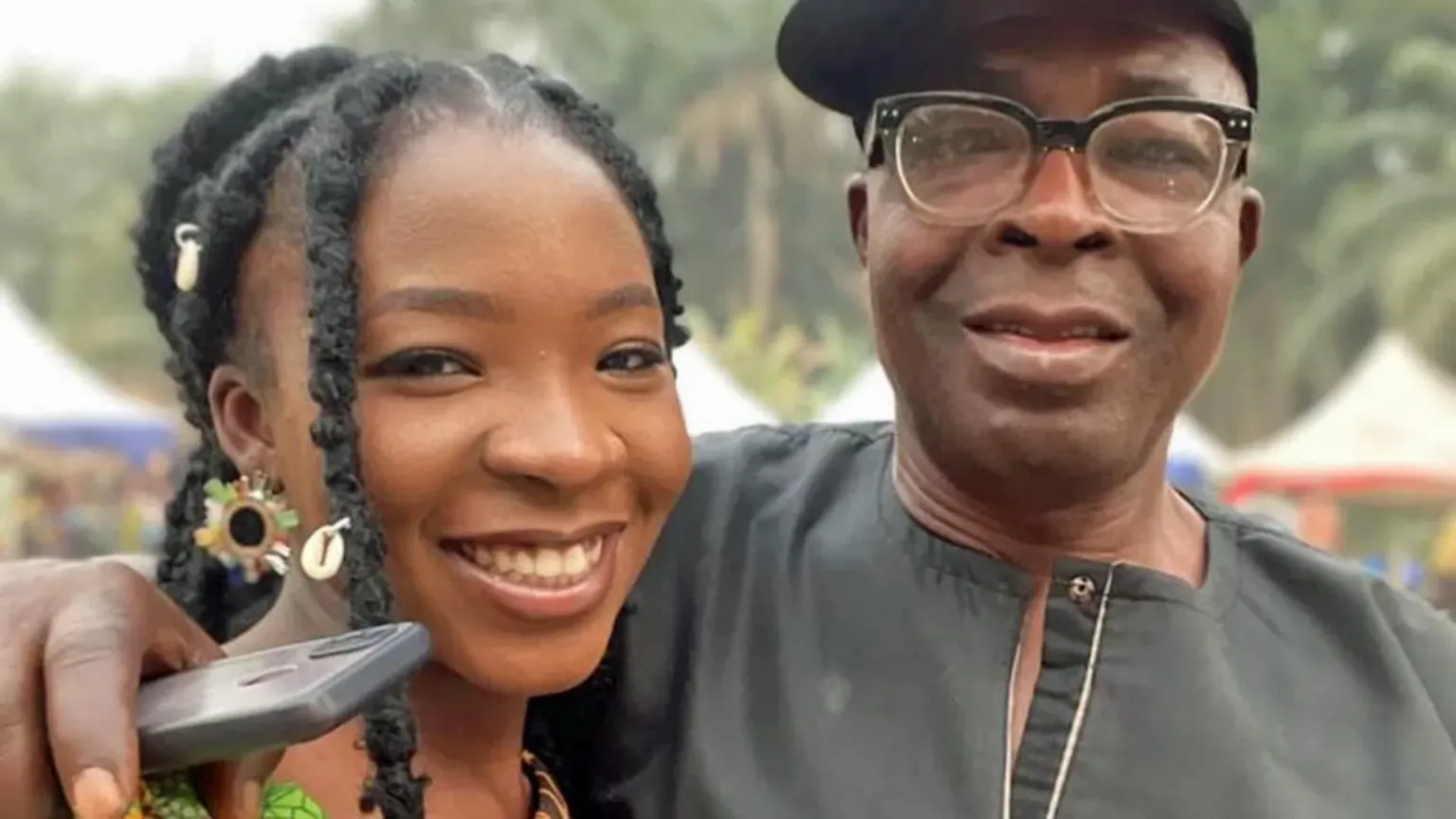
In the early hours of a January morning in Abuja, a rising Nigerian singer, Ifunanya Nwangene, went to bed in an upmarket apartment, thinking about studio sessions and an upcoming solo concert, not about venom and ventilators. She was 26, an architect by training and a musician by calling, celebrated for a voice that glided between jazz, opera, classical and soul, and known to many Nigerians from her performances on The Voice Nigeria, where her rendition of pop ballads had once made strangers pause and listen. Her friends remember that her last days were filled with rehearsals and plans, not premonitions. They recall, with a kind of stunned disbelief, that what woke her on that final night was not an alarm clock, but the sharp, shocking pain of a snake sinking its fangs into her as she slept.bbc+2
Startled awake, Ifunanya realized she had been bitten and discovered a snake in her home, a setting where many Nigerians assume they are protected from such dangers by concrete walls, polished floors and gated security. Friends later said that two snakes were eventually found in the apartment, and video clips circulating online showed a handler extracting a long black snake that raised its hood in the glare of phone cameras, identified as a cobra – likely a forest cobra, one of the most venomous species in West Africa. The images jarred with the familiar backdrop of Abuja’s elite neighbourhoods, forcing the public to confront the fact that snakebite is not confined to remote farms or forest paths.bbc+3
What followed her bite has become the focus of anguished questions about Nigeria’s readiness for medical emergencies that are common yet chronically overlooked. In pain and aware of the danger, Ifunanya sought help at a nearby clinic, only to find that the life-saving antivenom she needed was not available. Time is everything after a venomous snakebite; with each hour, toxins can spread through the body, attacking blood, nerves and vital organs. Without appropriate treatment, especially for neurotoxic species like cobras, paralysis, respiratory failure and death can follow in cruelly short order. Lacking the required drugs, the clinic referred her on to a larger hospital, Abuja’s Federal Medical Centre in Jabi.people+2
By the time she reached the hospital, her condition had worsened. Friends and family recall frantic phone calls, hurried rides across town and the desperate hope that once she was in a major facility, the worst could still be averted. Accounts from those close to her describe an emergency room struggling to keep pace with the venom’s assault: a tourniquet removed, intravenous fluids started, antivenom reportedly administered but perhaps not in the full combination or quantity her case required. One friend, the music director who had mentored her at the Amemuso Choir, remembered watching her struggle to breathe, unable to speak clearly but still able to gesture as doctors worked. He left the hospital at one point to obtain additional antivenom that staff said they lacked, only to return and find that she had died.[youtube]bbc+2
The hospital, for its part, has strongly rejected suggestions of negligence. In a statement issued after public outrage swelled on social media, Federal Medical Centre insisted that its team acted swiftly and appropriately, administering resuscitation, intravenous fluids, oxygen and polyvalent antivenom while dealing with what they described as severe neurotoxic complications from the bite. They said that her condition deteriorated suddenly before an intensive care transfer could be completed and that efforts to revive her ultimately failed. Officials stressed that accusations of missing antivenom or a slow response were “unfounded” and did not reflect the reality inside the emergency ward that day. The conflicting narratives – grieving friends alleging gaps in care, doctors defending their work under pressure – have turned her final hours into a contested symbol of deeper systemic problems.foxnews+3
What no one disputes is that she should have had a better chance. Public health experts have long warned that Nigeria faces a serious, under-recognized snakebite burden. Thousands of people are bitten each year, many in rural communities where farmers work barefoot in fields, children play in tall grass and houses are built close to the habitats of vipers, cobras and mambas. Plenty of these bites go unreported; victims may turn to traditional healers, lack transport to reach a facility, or die before any formal record is made. Despite this, antivenom stocks are often patchy, supply chains uncertain and training on how to identify species and manage envenoming uneven across the country.eurweb+2
In this context, Ifunanya’s death feels both shocking and grimly familiar. For years, snakebite has been filed mentally under “rural problems” – the misfortune of farmers in faraway villages. Her story forces a different picture into the national imagination: a young, urban professional, living in an upscale Abuja apartment, bitten in her sleep by a cobra that somehow slipped into the estate, then dying after a cascade of delays and constraints in care. The contrast between her public persona – stylish Instagram posts, studio sessions, a coming concert – and the primitive terror of a venomous snake in the bedroom underscores how thin the line can be between perceived safety and fatal vulnerability.instagram+3
Friends and colleagues describe her not only as a gifted performer, but as a meticulous professional who balanced architecture and music with rare discipline. She first came to wider attention during The Voice Nigeria, where the control and emotional depth of her singing made her stand out in a crowded field. Later, she joined the Amemuso Choir, lending a bright, agile soprano to performances that mixed classical traditions with contemporary Nigerian sounds. In the months before her death, she had been working on new music, recording a feature for another artist’s album and sketching out plans for her first solo show in 2026 – a milestone she talked about with nervous excitement. To those who knew her, the idea that such a carefully built future could be derailed by one nocturnal bite is almost unbearable.bbc+3
Her passing has sparked mourning that stretches far beyond the music community. On social media, fans shared videos of her performances, lingering on the moments when a difficult high note seemed to bloom effortlessly in the air. Fellow musicians wrote of an “irreplaceable loss” for Abuja’s creative scene, emphasizing how her voice had brought joy and solace to listeners across different backgrounds. In tribute posts, many Nigerians also expressed anger and disbelief: how could a country as large and influential as Nigeria still lose promising young lives to a cause that is both medically preventable and well understood? Snakebite, they argue, should no longer be treated as a tragic twist of fate, but as a public health failure that can and must be addressed.foxnews+2
Health advocates point out that improving Nigeria’s response to snakebites requires more than emotional reactions after high-profile deaths. It demands stable funding for antivenom procurement and distribution, closer monitoring of which regions and facilities face shortages, and training to ensure that health workers know how and when to use the right treatments. Public education is equally crucial: people need to know how to reduce the risk of bites, what to do immediately after one occurs, and why getting to an equipped medical centre fast is vital. In urban areas, where construction has expanded into formerly wild spaces, building design and estate management need to adapt, sealing off common entry points for snakes and ensuring that residents take precautions even if they live far from farms and forests.bbc+2
Globally, the World Health Organization has classified snakebite envenoming as a neglected tropical disease, a label that reflects both its deadly impact and the historic lack of attention in policy and funding circles. Nigeria, with its mix of rural and rapidly urbanizing landscapes, sits at the heart of this challenge. Every rainy season, stories circulate of farmers, herders and children struck down after crossing paths with unseen reptiles. For the most part, these cases stay in local news or never reach the media at all. It took the death of a young woman who once sang on a national television stage to force the country to look more squarely at the crisis.eurweb+2
In the wake of her death, there have been calls for a national audit: Which hospitals actually have effective antivenom in stock? How quickly can new supplies be moved to where they are needed most? Are emergency protocols for snakebite clear, standardized and regularly drilled? Some argue that accountability is also essential – when patients or their families report gaps in care, those complaints should trigger investigations that lead to concrete improvements, not just defensive press releases. Others emphasize the need to support research into locally appropriate antivenoms, given that venom composition varies by species and region, and that imported products can be prohibitively expensive or mismatched to the snakes that cause most bites in Nigeria.bbc+2
For now, though, the most tangible legacy of Ifunanya Nwangene’s life is the way her story has humanized a neglected issue. She is no longer just a name on a television credits list or a face in a choir photograph; she has become, inadvertently and unwillingly, a symbol of the urgent need to take snakebite seriously as a modern medical emergency. Her friends speak of her not as a martyr, but as a person who should still be here – laughing in the studio, sketching designs, rehearsing for that long-imagined concert. They hope that the questions raised by her death will translate into action: more antivenom on shelves, faster care in emergency rooms, better prevention at home.
In that sense, the most meaningful tribute to her might not be a memorial performance or a posthumous release, but a country where fewer families receive the kind of phone call her loved ones did that night. A country where a snakebite, even a cobra’s, is terrifying but survivable; where a singer’s voice is silenced only when she chooses to step away from the microphone, not when venom and vulnerability collide in a darkened bedroom. If Nigeria can move closer to that reality, then the tragedy that ended Ifunanya’s life may yet help save others from a similar fate.cnn+5